Sourcing Disclosure: Licensed Bangladesh Global Sourcing Specialist facilitating global access under Named Patient Regulations.
Expert-reviewed clinical data for prescription-only medicine.

How Generic Oncology Medicines Reduce the Financial Burden of Cancer Treatment

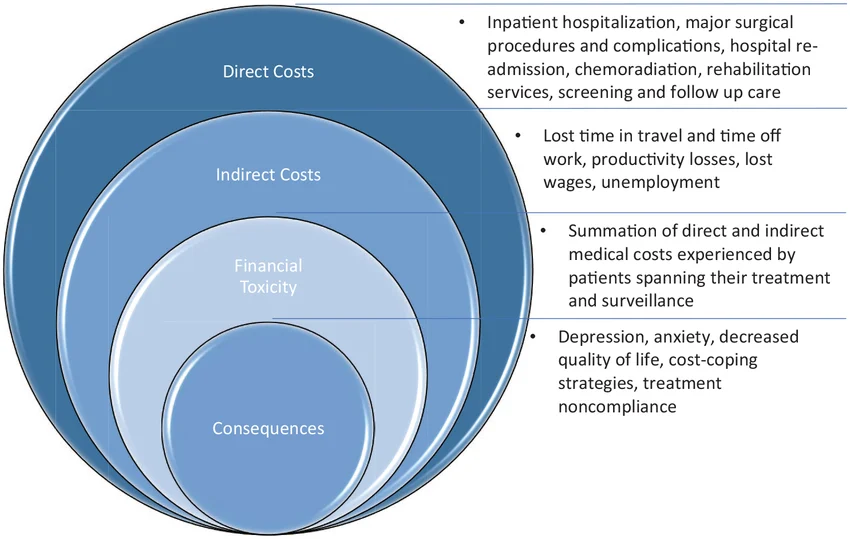
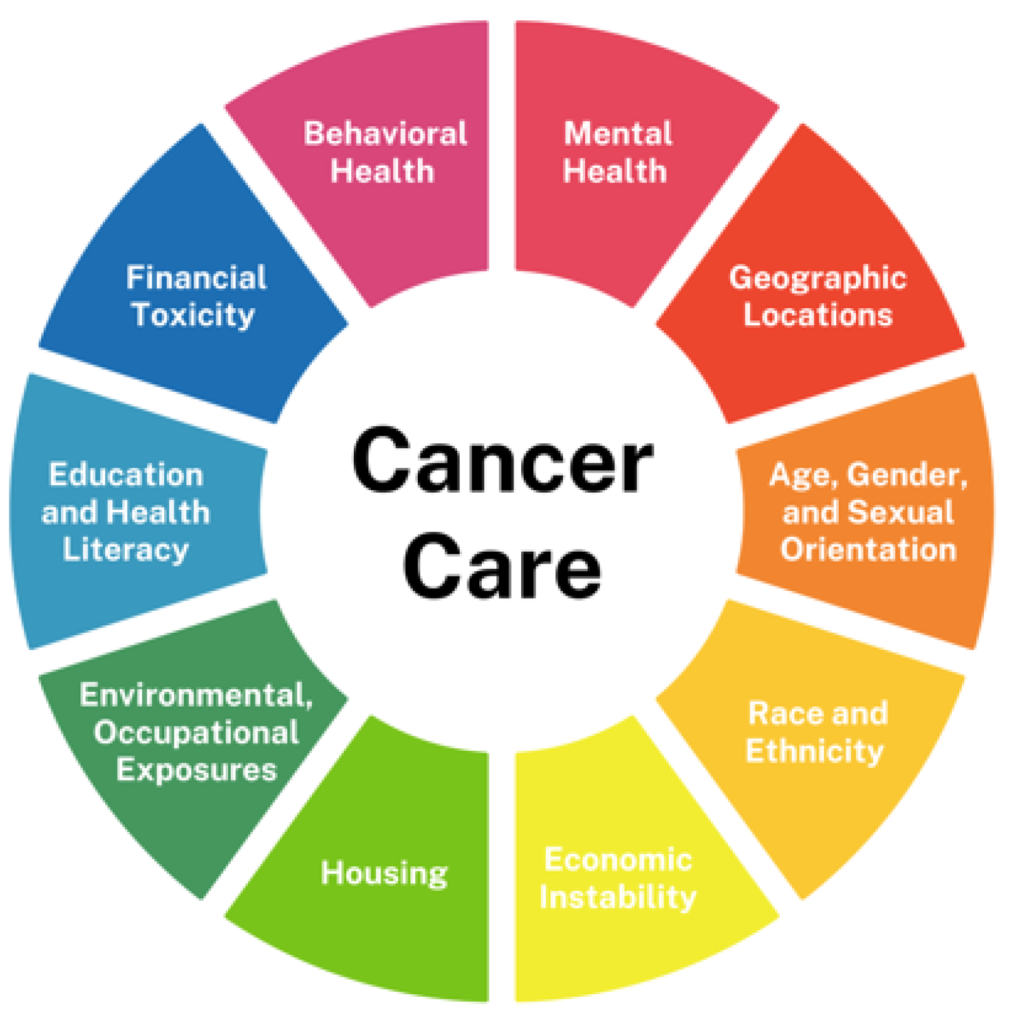
The diagnosis of cancer brings a sudden and immense weight to any family. While the primary goal is health and recovery, the conversation quickly turns to the high cost of treatment. In the medical world, the financial strain of caring for a serious illness is known as “Financial Toxicity.” This is not just a financial problem; it is a clinical one. If a patient cannot afford their medicine, the treatment stops, and the cancer progresses. Generic oncology medicines have become the most significant solution to this crisis, providing a path to recovery that is both scientifically sound and financially manageable. Understanding how these drugs achieve affordability without sacrificing quality is essential for every patient and caregiver in 2026.
1. The Clinical Reality of Financial Toxicity
Financial toxicity describes the emotional, physical, and medical distress caused by the high cost of cancer care. For many, the bills for chemotherapy, targeted therapy, and hospital visits are more stressful than the side effects of the treatment itself. When families face these costs, they often make difficult choices. Some may skip doses, while others may delay filling their prescriptions to save money.
University Of Miami Hospital
In oncology, treatment consistency is everything. Cancer cells are aggressive and adaptable. If a patient misses a week of treatment due to costs, it gives the tumor a chance to build resistance to the drug. This makes the cancer harder to treat in the future. Generic drugs act as a medical intervention by removing the financial barrier. By making the medicine affordable, generics ensure that the patient stays on schedule, giving the treatment the best possible chance to succeed. Affordability is, therefore, a core component of a successful clinical outcome.
2. The Economic Journey of a Cancer Molecule
To understand why generic drugs are so much cheaper, we must look at the life of a pharmaceutical product. Every cancer drug starts as a molecule discovered in a laboratory. This molecule goes through a specific legal and economic cycle before it reaches the patient.
Phase 1: The Period of Monopoly
When a company discovers a new drug, they apply for a patent. In most regions, this patent protects their invention for 20 years. During this time, they are the only ones allowed to sell the drug. This is a monopoly. The high prices we see for branded oncology drugs during this phase are designed to recover the billions of dollars spent on initial research, failed laboratory trials, and massive Phase III clinical studies. While this innovation is necessary, the monopoly pricing often puts the drug out of reach for many people.
Phase 2: The Patent Cliff
Once the patent expires, the drug reaches what is known as the “patent cliff.” The legal monopoly ends, and the secret “recipe” for the molecule becomes public knowledge. This is the moment when high-quality generic manufacturers can enter the market. They do not have to “invent” the drug; they only have to prove they can manufacture it to the same high standards as the original.
Phase 3: The Competitive Market
The arrival of generics shifts the market from a monopoly to a competitive environment. When five or ten reputable companies produce the same molecule, the price drops naturally. In 2026, we see that the price of a targeted therapy drug can drop by 70% to 90% within a year of the generic version becoming available. This competition is the primary force that makes modern cancer care sustainable for the global population.
3. Why Generics Cost Less: Breaking Down the Savings
A common question patients ask is: “If the ingredients are the same, why is the price so much lower?” Many fear that a lower price means the manufacturer is “cutting corners.” However, the savings come from the efficiency of the generic business model, not from a reduction in quality.
I. No Sunk Costs in Research
The original “innovator” company must screen tens of thousands of molecules to find one that works. They pay for the 9,999 failures to get one success. Generic manufacturers do not have these sunk costs. They start with the successful molecule. This allows them to avoid billions of dollars in initial R&D spending, a saving that is passed directly to the patient.
II. Advanced Process Engineering
As a student of materials science, you understand that how a substance is manufactured determines its cost. In 2026, generic manufacturers use highly efficient chemical engineering and large-scale synthesis methods. Since they are producing drugs that are already well-understood, they can optimize the production line to reduce waste and lower the cost of every milligram produced. This technical efficiency is a hallmark of modern generic pharmaceutical manufacturing.
III. Abbreviated Regulatory Paths
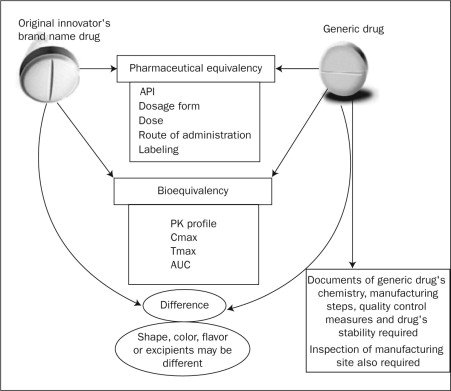
Generic companies do not need to repeat the decade-long clinical trials that the original company performed to prove the drug’s safety for the first time. Instead, they perform “Bioequivalence Studies.” These studies are smaller and faster because they only need to prove that the generic version delivers the same amount of drug to the bloodstream as the branded one. This significantly reduces the time and money required to bring the drug to market.
IV. Absence of High-Cost Marketing
Branded pharmaceutical companies spend a massive portion of their budget on global television ads, celebrity endorsements, and large sales teams that visit every doctor’s office. Generic companies typically do not do this. They rely on the clinical data and the established name of the molecule. By removing the “fluff” of marketing, the price of the drug reflects its actual value as a medicine.
4. Impact on Patient Survival and Equity
The existence of affordable generic oncology drugs has changed the map of cancer care. In the past, advanced cancer treatment was a privilege reserved for the wealthy or those living in a few specific countries. Today, generics have democratized healthcare.
Healthcare Equity
Generics ensure that a patient in a rural clinic has access to the same life-saving molecules as a patient in a major city hospital. By making treatment affordable, we are moving toward a world where your survival is determined by the science of the drug, not by the size of your bank account.
Psychological Stability
Knowing that the next cycle of treatment is affordable provides a massive psychological boost to the patient. Chronic stress is known to weaken the immune system. By removing the fear of bankruptcy, generic drugs allow the patient to focus their mental and physical energy on healing.
5. The Science of Quality: Bioequivalence and GMP
In 2026, the global standards for generic oncology are higher than they have ever been. Affordability is never allowed to compromise safety.
The Bioequivalence Rule
Every generic oncology drug must meet the “80/125″ rule. This means the concentration of the drug in the bloodstream must be statistically the same as the branded version. Because cancer drugs are so potent, many modern regulators have even tighter ranges for oncology generics. This ensures that the therapeutic effect on the tumor is identical.
International Manufacturing Standards
Generic manufacturers in 2026 operate in facilities that are some of the most advanced in the world. They follow Good Manufacturing Practices (GMP), which are international rules for cleanliness, precision, and testing. Every batch of medicine is tested for purity and stability. Whether a drug costs $10 or $1,000, if it is made in a GMP-certified facility, it meets the same global safety requirements.
6. The Strategic Importance of Global Manufacturing Hubs
Manufacturing centers in South Asia have become the “pharmacy of the world” for oncology. These regions have combined high-level chemical expertise with large-scale production capabilities.
Sustainability for Nations
Most national health systems and insurance providers would collapse if they only used branded oncology drugs. Generics allow these systems to remain sustainable. By saving money on established medicines, healthcare systems can afford to invest in other areas of patient care, such as better diagnostic equipment and more nursing staff.
A Bridge to Longevity
For many patients with chronic cancers, generics provide a “bridge.” They allow the patient to manage their disease for many years as a chronic condition, similar to how people manage diabetes. This longevity is only possible because the medication is affordable for the long term.
7. The Power of Choice and Transparency
In 2026, the patient has more power than ever before. Information transparency allows you to see exactly what you are paying for. When you choose a reputable generic brand that has been reviewed by experts, you are taking control of your health journey.
At genericoncology.com, we believe that transparency is the best defense against high costs. By providing expert reviews and clinical data on various generic manufacturers, we empower patients to ask their doctors the right questions. Knowledge is the foundation of affordability. When you understand the science of the molecule and the economics of the industry, you can choose your treatment with confidence.
8. Conclusion: Innovation Paired with Accessibility
Generic oncology medicines are a triumph of modern healthcare and engineering. They ensure that the brilliant innovations of scientists are actually used by the people who need them. Innovation is meaningless if it is inaccessible. By stripping away the unnecessary costs of marketing and the sunk costs of initial discovery, generic drugs provide a direct, safe, and effective path to recovery.
As we move forward in 2026, the role of generics will only grow. They are the cornerstone of a healthcare system that values human life above all else. By fostering competition and maintaining the highest scientific standards, the generic pharmaceutical industry ensures that hope is affordable for everyone.
Medical Disclaimer: The information provided in this article is for educational and awareness purposes only and is not intended to be a substitute for professional medical advice, diagnosis, or treatment. Every patient’s medical situation is unique. Decisions regarding cancer treatment, including the choice between branded and generic medications, must always be made in consultation with a qualified oncologist or a registered medical professional. Never disregard professional medical advice or delay seeking it because of something you have read on this website. The use of generic medications should always be supervised by your treating physician to ensure the best clinical results.
The availability of affordable treatment is a human right. In 2026, the science of generic oncology is fulfilling that right for millions of people. By understanding the factors that drive affordability—from patent cycles to manufacturing efficiency—patients and caregivers can navigate their journey with clarity and confidence. The future of cancer care is not just about finding a cure; it is about making that cure available to every person on earth.