Sourcing Disclosure: Licensed Bangladesh Global Sourcing Specialist facilitating global access under Named Patient Regulations.
Expert-reviewed clinical data for prescription-only medicine.


The Science of Identifying High-Quality Generic Oncology Medicines

In the year 2026, the global oncology market is saturated with options. While the availability of generic medications has made cancer treatment more affordable, it has also introduced a critical challenge for patients and healthcare providers: how to distinguish a high-quality generic oncology medicines from a sub-standard one. Quality in oncology is not a subjective measure; it is a rigorous, data-driven standard defined by chemical purity, molecular stability, and biological performance. For a patient, the ability to identify a reputable generic brand is a vital skill that ensures the efficacy of their treatment. This guide provides a deep technical analysis of the factors that define a world-class generic oncology medicine, moving beyond the surface-level checks to the core science of pharmaceutical engineering.
1. Molecular Purity and Impurity Profiling
The foundation of any high-quality oncology medicines is the purity of its Active Pharmaceutical Ingredient (API). In 2026, the synthesis of complex cancer molecules requires extreme precision. As a student of materials science would understand, even a microscopic change in the chemical environment during synthesis can create unwanted byproducts or impurities.
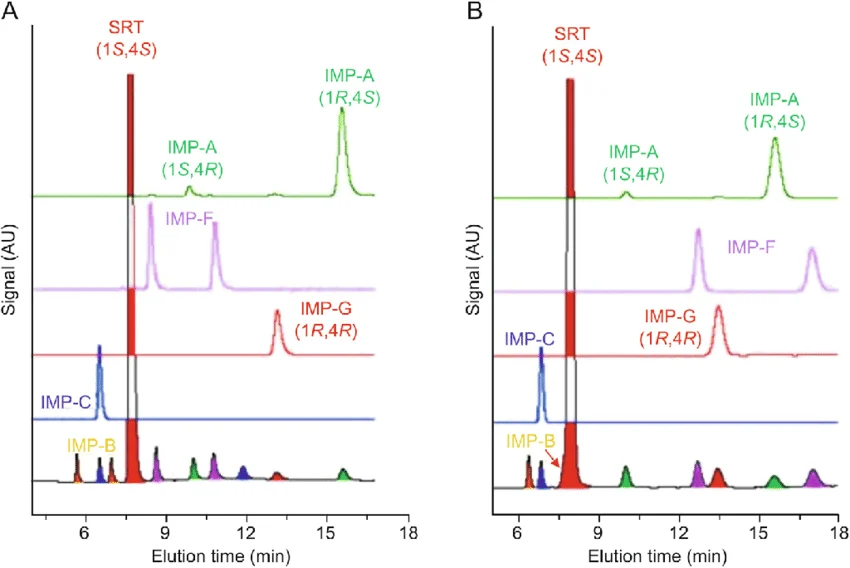
A high-quality generic manufacturer must perform rigorous “Impurity Profiling.” This process uses advanced analytical tools like High-Performance Liquid Chromatography (HPLC) and Mass Spectrometry to detect any foreign molecules that might have been created during production. In oncology, some impurities can be “genotoxic,” meaning they can damage DNA, which is particularly dangerous for patients already fighting cancer.
A world-class generic product will have an impurity profile that is virtually identical to the original branded drug. When you research a manufacturer, look for their adherence to ICH Q3A guidelines, which set the global limits for impurities in new drug substances. High-quality generics are characterized by their near-perfect chemical purity, ensuring that the patient receives only the therapeutic molecule and nothing else.
2. The Role of Polymorphism and Stability
One of the most technical aspects of drug quality that patients rarely hear about is “Polymorphism.” Many oncology drugs are crystalline solids. Polymorphism refers to the ability of a solid material to exist in more than one form or crystal structure. In the world of materials engineering, this is critical because different crystal forms of the same drug can dissolve at different rates in the body.
If a generic manufacturer chooses the wrong crystal form (polymorph), the drug might not dissolve properly in the patient’s stomach, leading to treatment failure. High-quality generic companies invest heavily in “Solid-State Characterization.” They use X-ray Powder Diffraction (XRPD) to ensure that their generic medicine has the exact same crystal structure as the branded version.
Furthermore, stability is a major factor. Cancer drugs are often sensitive to “Forced Degradation.” This means that when exposed to heat, light, or humidity, the molecule can break down. A high-quality generic is formulated with specific stabilizers that protect the molecule. In 2026, we look for manufacturers that conduct “Real-Time Stability Testing” in accordance with ICH Q1A guidelines, ensuring the drug remains active and safe until the very last day of its shelf life.
3. Manufacturing Rigor: GMP and ISO Standards
The environment in which a drug is made is just as important as the drug itself. In 2026, pharmaceutical manufacturing has reached a level of automation and cleanliness that was unimaginable a decade ago. High-quality generic oncology medicines are produced in facilities that adhere to Current Good Manufacturing Practices (cGMP) and often hold ISO 9001:2015 certifications for quality management.
Cleanroom Technology
Oncology drugs, especially those in liquid or injectable forms, must be produced in sterile environments. These facilities use High-Efficiency Particulate Air (HEPA) filters to maintain “Class 100” (ISO 5) cleanroom standards. This means there are fewer than 100 particles of dust per cubic foot of air. Any manufacturer that can prove their facility meets these international standards is a manufacturer that values patient safety.

Process Validation
Quality is not just tested at the end; it is built into the process. This is known as “Quality by Design” (QbD). High-quality manufacturers validate every step of their process. They monitor the temperature, pressure, and mixing speed in real-time. If any variable goes outside the narrow “safe zone,” the entire batch is discarded. This level of rigor ensures that every tablet in every box is identical in quality and strength.
4. Bioequivalence and Dissolution Kinetics
A common concern is whether the generic drug will be absorbed by the body in the same way as the branded version. This is the science of Pharmacokinetics. In 2026, we look beyond simple blood-level tests and focus on “Dissolution Kinetics.”
Dissolution is the process by which a tablet breaks apart and the drug dissolves in the stomach fluids. If the tablet dissolves too slowly, the drug passes through the body without being absorbed. If it dissolves too fast, it might cause a sudden spike in toxicity. High-quality generics are engineered to have a “Dissolution Profile” that overlaps perfectly with the branded drug.
When identifying a high-quality generic, we look for companies that provide Comparative Dissolution Profile (CDP) data. This data proves that in different pH environments (like a full or empty stomach), the generic drug behaves exactly like the original. This scientific parity is what guarantees that the patient will experience the same clinical results.
5. Excipient Quality and Compatibility
While the API is the same, the “inactive” ingredients—the excipients—often differ between generic and brand-name drugs. However, “inactive” does not mean “unimportant.” Excipients include the binders that hold the tablet together, the glidants that help the powder flow in the machine, and the coatings that protect the drug from stomach acid.
High-quality generic manufacturers use “Pharmaceutical Grade” excipients that are tested for compatibility with the API. A sub-standard manufacturer might use cheaper fillers that can react with the cancer drug over time, leading to degradation. In 2026, a mark of a high-quality generic is the use of specialized, high-purity excipients that ensure the medicine is stable and easy for the body to process. Patients should look for manufacturers that are transparent about their ingredient sources and adhere to the Global Pharmacopoeia (USP, BP, or EP) standards.
6. Verification Technology: 2026 Security Standards
The rise of high-quality generics has unfortunately led to an increase in sophisticated counterfeit products. In 2026, identifying a genuine generic product involves using the latest verification technology.
Serialized QR Codes and Blockchain
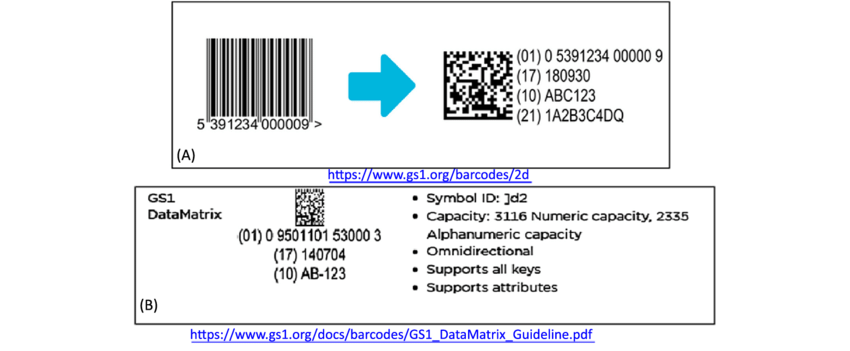
Leading generic oncology manufacturers now use “Track and Trace” systems based on GS1 Global Standards. Each box of medicine has a unique 2D QR code. When scanned, this code connects to a secure database (often using Blockchain technology) that confirms the medicine’s journey from the factory to the pharmacy. If a code has been scanned multiple times or doesn’t exist in the database, it is an immediate red flag.
Physical Security Features
Beyond digital checks, high-quality packaging in 2026 includes physical security. Look for “Tamper-Evident” seals that show a visible pattern (like the word “VOID”) if they have been peeled back. Many manufacturers also use color-shifting inks or holographic strips that are extremely difficult for counterfeiters to replicate. A high-quality generic will always have flawless, professional-grade packaging.
7. The Importance of Expert Medical Review
Even with all the technical data available, a patient needs an expert to interpret it. This is why the role of a Medical Reviewer is central to identifying high-quality generics. A medical reviewer is a specialist who evaluates the manufacturer’s data, their clinical trial results, and their regulatory history.
At genericoncology.com, we emphasize that a drug is only as good as the data supporting it. We look for manufacturers that have been reviewed and approved by international health authorities or have a strong presence in highly regulated markets. When a specialist reviews a generic brand and confirms its efficacy, it provides a layer of trustworthiness that a simple advertisement can never offer. Expert oversight is the final bridge between complex science and patient confidence.
8. Sourcing and Supply Chain Integrity
A high-quality drug can become sub-standard if it is stored or transported incorrectly. Oncology drugs, especially modern targeted therapies, are often “Thermolabile,” meaning they are sensitive to temperature.
In 2026, we look for a “Cold Chain” integrity for certain oncology medicines. This means the drug was kept between 2°C and 8°C from the moment it left the factory until it reached the patient. High-quality generic distributors use “Smart Packaging” that includes temperature sensors. These sensors will change color or send a digital alert if the medicine was ever exposed to excessive heat during shipping. Identifying a high-quality product also means identifying a high-quality distributor who respects the science of the drug.
9. Analyzing the Manufacturer’s Global Reputation
In the pharmaceutical world of 2026, reputation is built on consistency. A high-quality generic manufacturer will have a “Quality Management System” (QMS) that is consistently audited.
Patients should look for companies that have a significant share of the global oncology market. When a generic manufacturer’s products are used in major cancer centers across multiple continents, it is a testament to their quality. These companies often publish their “Sustainability and Quality Reports,” providing transparency into their manufacturing failures and successes. A manufacturer with nothing to hide is a manufacturer you can trust with your health.
10. Conclusion: Precision as a Standard
Identifying a high-quality generic oncology medicine in 2026 requires a shift in perspective. We must stop asking, “Is it cheap?” and start asking, “Is it precise?” Quality is found in the purity of the molecule, the stability of the crystal structure, the rigor of the cleanroom, and the transparency of the data.
Generic oncology is a triumph of modern engineering. It allows for the mass production of life-saving science. By focusing on ICH guidelines, bioequivalence data, and the latest verification technologies, patients and caregivers can navigate the complex market with total clarity. The goal is to find a product where the science of the generic matches the science of the innovator. When these two align, the result is a safe, effective, and affordable path to recovery.
Knowledge is your most powerful defense. By understanding the technical standards of the pharmaceutical industry, you take an active role in your treatment. You move from a place of uncertainty to a place of authority, choosing your medicine based on scientific fact rather than branded promises.
Medical Disclaimer: The information provided in this article is for educational and awareness purposes only and is not intended to be a substitute for professional medical advice, diagnosis, or treatment. Every patient’s medical situation is unique. Decisions regarding the choice of oncology medication, including the selection of a specific generic brand, must always be made in consultation with a qualified oncologist or a registered medical professional. Never disregard professional medical advice or delay seeking it because of something you have read on this website. The identification of a high-quality pharmaceutical product should involve a review of its regulatory status and manufacturing data by a licensed healthcare provider. Medically Reviewed by Salma Elreedy
The pursuit of quality in oncology is a continuous process. As the field moves toward more personalized therapies, the standards for generics will only become more rigorous. In 2026, the informed patient is the one who understands that affordability and excellence are not mutually exclusive. By adhering to the standards discussed in this guide, you can ensure that your treatment is grounded in the highest levels of scientific integrity. Stay informed, stay vigilant, and always prioritize the science behind the medicine.