Sourcing Disclosure: Licensed Bangladesh Global Sourcing Specialist facilitating global access under Named Patient Regulations.
Expert-reviewed clinical data for prescription-only medicine.


PIK3CA Mutations in HR+ Breast Cancer: Targeted Therapies and Metabolic Management

If you have been told you have a PIK3CA mutation, you are likely dealing with Hormone Receptor-positive (HR+), HER2-negative metastatic breast cancer. This blog is designed to pull back the curtain on the science, explain the research, and help you understand exactly why your medical team is focusing on this specific “broken switch” in your body.
Part 1: The Biology – What is a PIK3CA Mutation?
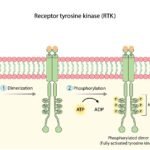
To understand the treatment, we must first understand the “target.” Think of your cells as a complex city. To function, they need a communication system—a series of switches that tell the cell when to grow, when to eat, and when to divide.
The “Broken Switch” Analogy
The PI3K pathway is one of the most important communication lines in your cells. Its job is to sense nutrients and growth signals. When the signal is “on,” the cell grows. When it’s “off,” the cell rests.
A PIK3CA mutation is a genetic error in the code that builds this switch. Instead of waiting for a signal to grow, the switch is permanently stuck in the “on” position.
Critical Term: PIK3CA Mutation
A change in the DNA of the PIK3CA gene. This isn’t something you were born with or can pass to your children (it is “somatic,” meaning it happened only in the cancer cells). It creates a hyperactive version of a protein called p110α, which drives cancer growth.
Why does this happen in Breast Cancer?
In about 40% of HR+ breast cancers, this mutation is the primary reason the cancer starts to ignore standard treatments like hormone therapy. It acts as a “bypass” road—even if we block the estrogen (the main fuel), the PI3K pathway keeps the “on” switch flipped, allowing the cancer to keep growing.
Part 2: The Research – Why These Drugs Exist
For years, we only had “blunt” tools like chemotherapy. Modern research has moved toward “precision medicine,” where we design keys (drugs) that only fit specific locks (mutations).
The SOLAR-1 Milestone (Alpelisib)
The first major breakthrough came from the SOLAR-1 clinical trial. Researchers took patients whose cancer had progressed on hormone therapy and tested them for the PIK3CA mutation.
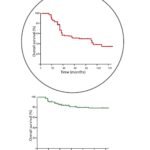
- The Findings: Patients with the mutation who took Alpelisib (a PI3K inhibitor) alongside Fulvestrant (hormone therapy) saw their cancer stay stable for nearly twice as long as those who took hormone therapy alone.
- The Purpose: This proved that if we can “unstick” the PI3K switch, we can make hormone therapy work again.
The INAVO120 Trial (Inavolisib) – The “2026 Perspective”
As of 2026, research has evolved to create “next-generation” inhibitors like Inavolisib. The recent INAVO120 trial demonstrated that by targeting the mutation more precisely and adding it to a “triplet” therapy (Inavolisib + Palbociclib + Fulvestrant), we could extend the time before a patient needs chemotherapy by up to two years.
Critical Term: Progression-Free Survival (PFS)
The length of time during and after treatment that a patient lives with the disease, but it does not get worse. This is the primary “scorecard” for how well these drugs work.
Part 3: Understanding the Inhibitors – What They Do
When your oncologist prescribes a PI3K inhibitor, they are trying to do one specific thing: Overcome Endocrine Resistance.
Why are you taking this?
Standard treatments like Letrozole or Palbociclib work by blocking the “front door” of the cancer cell (the estrogen receptor). However, a PIK3CA mutation is like a “back door” that is wide open. You are prescribed an inhibitor to slam the back door shut.
Currently Available/Emerging Inhibitors:
- Alpelisib (Piqray): The pioneer. Highly effective but requires strict management of blood sugar.
- Capivasertib (Truqap): Often used if you have mutations in the “AKT” part of the pathway (the next step down from PI3K). It is generally better tolerated by patients who struggle with blood sugar issues.
- Inavolisib: A highly selective “degrader.” It doesn’t just block the protein; it actually helps the cell destroy the mutated protein entirely.
Part 4: Managing the “Why” of Side Effects
This is where most oncologists fail to explain the “rules.” Why do you have to check your blood sugar? Why do you need a specific diet?
The Insulin Connection
The PI3K pathway isn’t just for cancer; it’s also how your body processes insulin. When we block PI3K to stop the cancer, we accidentally block your body’s ability to use insulin properly.
- The Result: Your blood sugar goes up (Hyperglycemia).
- The Rule: This is why you are often prescribed Metformin or told to follow a low-carb/Ketogenic-style diet. It’s not a “suggestion”—it is a medical necessity to keep the drug working and keep you safe.
Part 5: Testing – How We Find the Mutation
You cannot “guess” if a mutation is present. Research shows that mutations can change over time.
- Tissue Biopsy: Taking a small piece of the tumor. This is the “Gold Standard” but can be invasive.
- Liquid Biopsy (ctDNA): A simple blood draw that looks for tiny fragments of cancer DNA floating in your blood.
- Research Insight: Liquid biopsies are now considered a “future-proof” way to test because they can be repeated easily to see if the cancer is evolving.
Part 6: Summary for Patients
Research into PIK3CA has shifted breast cancer from a “one-size-fits-all” approach to a “target-and-strike” approach.
Strengths of This Research:
- Targeted Accuracy: We aren’t guessing. We only give these drugs to people who will actually benefit.
- Chemotherapy Delay: The primary goal of these inhibitors is to keep you off harsh chemotherapy for as long as possible while maintaining a high quality of life.
Weaknesses/Challenges:
- Side Effect Burden: These drugs are “smarter” than chemo, but they have unique side effects (rash, diarrhea, high sugar) that require a partnership between you and your doctor.
- Cost: These are high-tech medicines and can be expensive.
The PI3K Inhibitor Daily Success Checklist
Managing treatment for a PIK3CA-mutated breast cancer isn’t just about taking a pill; it’s about metabolic management. Because PI3K inhibitors (like Alpelisib or Inavolisib) affect how your body processes sugar, your daily routine becomes your strongest medicine.
As an oncologist, I recommend this Patient Daily Checklist to help you stay on your treatment longer by preventing the most common side effects before they become severe.
The PI3K Inhibitor Daily Success Checklist
1. Morning: Metabolic Baseline
- [ ] Fasting Blood Glucose Check: Use a home glucometer to check your sugar levels before eating. This is the “canary in the coal mine” for PI3K inhibitors.
- Goal: Usually under 160 mg/dL (consult your doctor for your specific target).
- [ ] Medication Timing: Take your inhibitor exactly as prescribed.
- Pro Tip: If you are on Alpelisib (Piqray), it must be taken with food. A consistent meal helps the drug absorb correctly.
- [ ] Skin Inspection: Quickly check your torso and arms for any new redness or “sandpaper” texture.
- Why? Rashes are a common immune response to these drugs. Catching it on Day 1 is easier than Day 5.
2. Throughout the Day: The “Anti-Side Effect” Routine
- [ ] Hydration (2+ Liters): Drink water consistently. This helps your kidneys process the medication and prevents the dry mouth/thirst associated with high blood sugar.
- [ ] Low-Carb/Low-Sugar Fueling: Focus on lean proteins, healthy fats, and non-starchy vegetables.
- Why? Since the drug makes your body “resistant” to insulin, eating a high-sugar meal will cause your blood glucose to spike dangerously high.
- [ ] Oral Care: Use a soft-bristle toothbrush and alcohol-free mouthwash.
- Why? Some patients develop mouth sores (mucositis). Keeping the mouth clean and hydrated reduces this risk.
3. Afternoon: Activity & Observation
- [ ] Gentle Movement: A 15–20 minute walk after your largest meal.
- Why? Muscle activity helps your body use glucose without needing as much insulin—naturally lowering your blood sugar.
- [ ] Monitor Digestive Trends: Track any changes in bowel movements.
- Action: If you have two or more loose stools than your normal baseline, start your prescribed anti-diarrheal (like Loperamide) and notify your nurse.
4. Evening: Skin & Recovery
- [ ] Fragrance-Free Moisturization: Apply a thick, bland moisturizer (like CeraVe or Eucerin) to your whole body.
- Why? Preventive moisturizing is the #1 way to reduce the severity of drug-induced rashes.
- [ ] “The 3-S Symptom Check”: Review if you felt any of the following:
- Sugar: Did I feel excessively thirsty or dizzy?
- Skin: Is my skin itchy or red?
- Stomach: Is my appetite or digestion off?
When to Call Your Oncology Team Immediately
Do not wait for your next appointment if you experience:
- Blood Sugar > 250 mg/dL: This requires immediate medical intervention or dose adjustment.
- Grade 2 Rash: Redness covering more than 10%–30% of your body or any peeling/blistering.
- Severe Diarrhea: More than 4–6 episodes in 24 hours that don’t respond to over-the-counter medicine.
- Difficulty Breathing: Rare, but can indicate lung inflammation (Pneumonitis).
| Symptom | Preventive Action | Purpose |
| High Blood Sugar | Low-carb diet + Metformin (if prescribed) | Protects your metabolic health. |
| Skin Rash | Daily moisturizing + Cetirizine (Zyrtec) | Prevents the “PI3K itch” and redness. |
| Diarrhea | Hydration + Loperamide | Maintains electrolyte balance. |
| Mouth Sores | Baking soda/saltwater rinses | Keeps the mouth barrier healthy. |
People Also Ask
Q: Does having a PIK3CA mutation mean my children will get breast cancer?
A: No. A PIK3CA mutation in breast cancer is almost always “somatic.” This means the mutation occurred only inside the cancer cells themselves over time, not in your healthy cells. It is not an inherited (germline) genetic mutation like BRCA1 or BRCA2, so you cannot pass it on to your children.
Q: Can I manage the high blood sugar side effects of PI3K inhibitors with diet alone?
A: While a low-carbohydrate or ketogenic-style diet is absolutely critical while taking PI3K inhibitors like Alpelisib or Inavolisib, diet alone is often not enough. Because these drugs actively block your body’s ability to process insulin, most oncologists will proactively prescribe a medication like Metformin to protect your metabolic health alongside your dietary changes.
Q: What is the difference between a tissue biopsy and a liquid biopsy for finding this mutation?
A: A tissue biopsy requires taking a physical sample of the tumor to test its DNA. A liquid biopsy is a simple blood draw that looks for microscopic fragments of tumor DNA (ctDNA) floating in your bloodstream. Liquid biopsies are becoming the modern standard because they are non-invasive and can be easily repeated to see if the cancer is changing.
Q: How long do PI3K inhibitors delay the need for chemotherapy?
A: Every patient is different, but modern clinical trials (like SOLAR-1 and INAVO120) have shown that adding a targeted inhibitor to hormone therapy can keep the cancer stable (Progression-Free Survival) for significantly longer than hormone therapy alone—sometimes extending the time before chemotherapy is needed by up to a year or two.
Disclaimer:The content provided on GenericOncology.com, including text, graphics, checklists, and clinical summaries, is for informational and educational purposes only. It is not intended to be a substitute for professional medical advice, diagnosis, or treatment. (Medically Reviewed by: Dr.Salma Elreedy)