Sourcing Disclosure: Licensed Bangladesh Global Sourcing Specialist facilitating global access under Named Patient Regulations.
Expert-reviewed clinical data for prescription-only medicine.


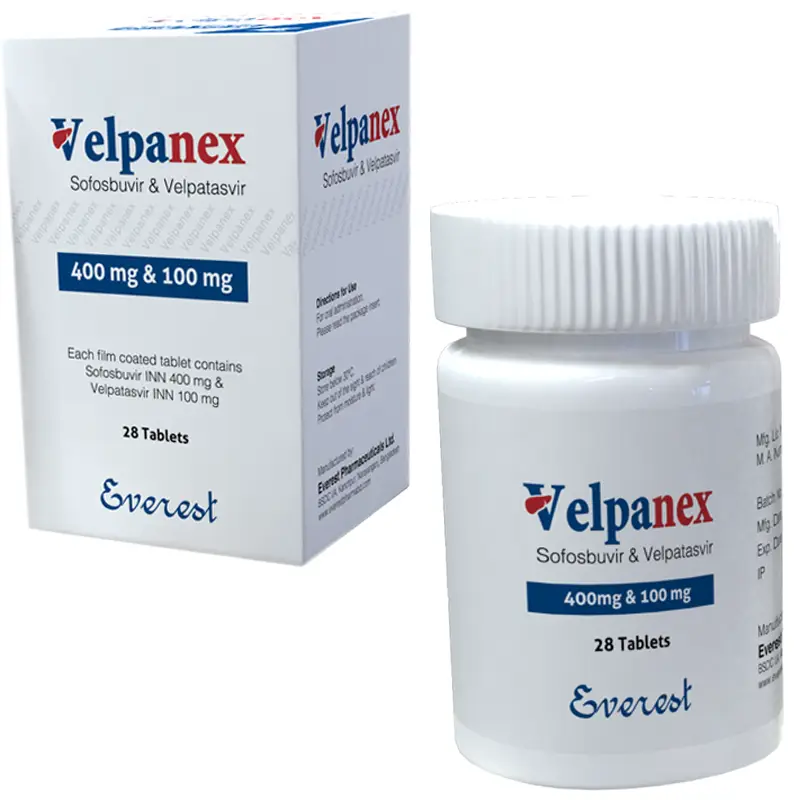
Velpanex (Sofosbuvir + Velpatasvir) 100 mg + 400 mg | HCV Direct Acting Antiviral
Brand Name: Velpanex
Generic Combined Name: (Sofosbuvir + Velpatasvir)
Therapeutic Class: Hepatitis C virus Therapy
Clinical Indication: Indicated for the treatment of adult and pediatric patients with chronic hepatitis C virus (HCV) genotypes 1-6.
Available Strength: 100 mg & 400 mg
Pack Size: 28 Tablets
- WHO GMP Certified
- Reviewed By Medical Expert
- Batch Examined in Lab
Disclaimer: The following information is provided for educational and informational purposes only and is not intended as a substitute for professional medical advice, diagnosis, or treatment. Always seek the guidance of a physician, hepatologist, or other qualified healthcare provider regarding medical conditions or treatment protocols. (Medically Reviewed by: Dr. Salma Elreedy)
Velpanex, a fixed-dose combination of Sofosbuvir 400 mg and Velpatasvir 100 mg, is a potent direct-acting antiviral (DAA) and the generic equivalent of the innovator brand, Epclusa. As a pangenotypic therapy, it is highly effective against all six major genotypes (1-6) of the Hepatitis C virus (HCV). For patients with chronic Hepatitis C, Velpanex provides a simplified, once-daily oral regimen that eliminates the need for interferon injections in most cases. By simultaneously targeting two critical viral proteins, this therapy achieves high cure rates—defined as a sustained virologic response (SVR)—even in patients with compensated or decompensated cirrhosis. The following evidence-based guide details its clinical data, safety profile, and global administration standards.
Velpanex Clinical Guide and Prescribing Information
What are the primary clinical indications for Velpanex?
Medical guidelines from the FDA, EMA, and EASL authorize the use of Sofosbuvir and Velpatasvir for a wide range of patients (aged 3 years and older) with chronic Hepatitis C:
- Genotypes 1–6: Indicated for patients with or without compensated cirrhosis.
- Decompensated Cirrhosis: Used in combination with Ribavirin for patients with advanced liver damage (Child-Pugh B or C).
Treatment History: Effective for both treatment-naïve patients and those who have failed prior therapies (including interferon-based regimens).
How does this combination target the virus?
The Hepatitis C virus relies on specific enzymes to replicate its genetic material. Velpanex works by “double-blocking” the viral lifecycle:
- Sofosbuvir (NS5B Inhibitor): Acts as a chain terminator. It mimics the building blocks of viral RNA, and when the virus tries to use it to replicate, the DNA chain is cut short.
- Velpatasvir (NS5A Inhibitor): Targets a protein essential for both the replication and assembly of new viral particles.
By attacking these two separate targets, Velpanex effectively stops the virus from multiplying and prevents it from infecting new liver cells.
What is the recommended dosage and administration?
The administration of Velpanex is designed for maximum viral suppression through a simple daily routine:
- Standard Adult Dose: One tablet once daily.
- Timing: It can be taken with or without food. However, taking it at the same time every day is vital to maintain steady drug levels in your system.
- Duration: The standard course is typically 12 weeks. For those with decompensated cirrhosis taking it with Ribavirin, the duration remains 12 weeks.
Missed Doses: If you miss a dose, take it as soon as you remember that day. If you don’t remember until the next day, skip the missed dose. Do not “double up.”
What does the clinical evidence show regarding its cure rate?
The authority of the Sofosbuvir/Velpatasvir combination is grounded in the landmark ASTRAL trial series (documented on ClinicalTrials.gov and published in the New England Journal of Medicine):
- ASTRAL-1, -2, and -3 Trials: These studies involved over 1,000 patients and showed an overall cure rate (SVR12) of 95% to 99% across all genotypes.
- Genotype 3 Success: Even for Genotype 3, traditionally one of the harder-to-treat types, the cure rate remained exceptionally high at 95% in non-cirrhotic patients.
Safety, Side Effects, and Monitoring
What are the potential side effects associated with treatment?
Based on safety reporting from the FDA and Drugs.com, Velpanex has a very favorable safety profile compared to older therapies:
- Common Effects: Headache (up to 22%) and fatigue (up to 15%) are the most frequently reported.
- With Ribavirin: When used for decompensated cirrhosis with Ribavirin, patients may also experience anemia, nausea, and insomnia.
Significant Clinical Risks requiring monitoring:
- Hepatitis B Reactivation (Boxed Warning): Before starting any DAA, doctors must screen for Hepatitis B (HBV). Clearing the Hepatitis C virus can cause a dormant HBV infection to suddenly reactivate, which can lead to severe liver injury.
- Bradycardia with Amiodarone: A serious risk of a dangerously slow heart rate exists if Velpanex is taken with the heart medication Amiodarone. This combination is generally avoided.
Acid Reducers: Drugs like omeprazole (PPIs) can significantly lower the absorption of Velpatasvir. If you must take them, your doctor will provide a specific timing schedule (e.g., taking Velpanex with food 4 hours before the PPI).
Manufacturer Quality and Trust
Who manufactures Velpanex and how is quality ensured? Velpanex is manufactured by Everest Pharmaceuticals Ltd. In the field of international medicine, manufacturing transparency is the foundation of trust. Everest Pharmaceuticals operates under strict WHO GMP (World Health Organization Good Manufacturing Practices) standards. Their specialized facility in Bangladesh utilizes advanced technology and rigorous batch-testing to ensure that every tablet is bioequivalent to the innovator brand (Epclusa), providing the same molecular purity and clinical cure rate.
Global Access to Hepatitis C Medicine
How can a patient access Velpanex internationally? Accessing specialized antiviral therapy across borders is a legal and regulated process. Patients can access Velpanex through verified pharmaceutical exporters under “Personal Use Importation” or “Named Patient” rules, provided their national drug authority permits the importation of life-saving medicines.
A valid prescription from a licensed physician or hepatologist is a mandatory requirement. This ensures that while patients access more affordable generic options, they remain under professional medical supervision for follow-up testing to confirm the virus has been fully cleared (SVR12).
Frequently Asked Questions (FAQs)
Is Velpanex exactly the same as Epclusa?
Yes. Velpanex contains Sofosbuvir and Velpatasvir in the identical strengths and fixed-dose combination as Epclusa. Because it is manufactured under WHO GMP standards, it is clinically bioequivalent, ensuring the same viral clearance and safety profile.
Can I drink alcohol while on treatment?
While there is no direct drug interaction, alcohol causes additional stress on the liver. To give your liver the best chance to heal during your 12-week course, it is strongly advised to avoid alcohol entirely.
How do I know I am cured?
A cure is confirmed by a blood test called SVR12, which is performed 12 weeks after you finish your last dose. If the virus is undetectable at that point, you are considered clinically cured.
What should I do if I vomit after taking my dose?
If you vomit within 3 hours of taking Velpanex, you should take an additional tablet. If it has been more than 3 hours, do not take an extra one; just continue with your next scheduled dose the following day.
Is it safe for patients with kidney issues?
Yes. One of the major clinical advantages of this combination is that no dose adjustment is required for patients with any degree of renal impairment, including those on dialysis.
Related products

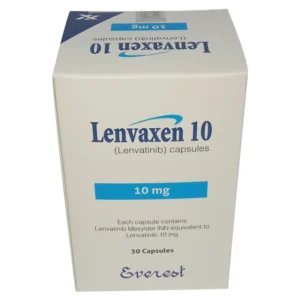
Lenvaxen 10 mg (Lenvatinib) Capsule | Thyroid Cancer Therapy
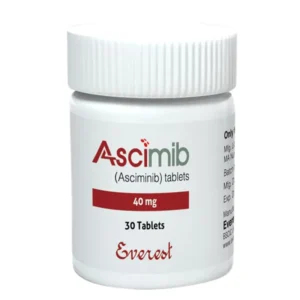
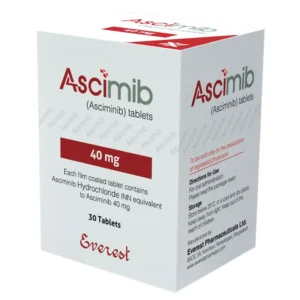
Consult Pharmacist for PriceAscimib 40 mg (Asciminib) Tablet | STAMP Inhibitor in PH+CML
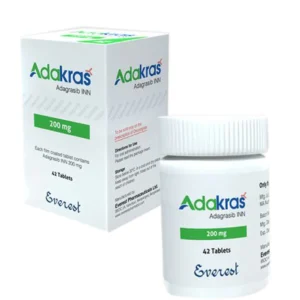
Consult Pharmacist for PriceAdakras (Adagrasib) 200 mg Tablets | KRAS G12C Inhibitor
Consult Pharmacist for PriceAvapag 20 mg (Avatrombopag) Tablets | Thrombopoietin (TPO) Receptor Agonist
Consult Pharmacist for Price