Sourcing Disclosure: Licensed Bangladesh Global Sourcing Specialist facilitating global access under Named Patient Regulations.
Expert-reviewed clinical data for prescription-only medicine.
Strategies for Managing and Reducing Cancer Medication Costs: A 2026 Guide

The financial burden of cancer medication costs is often described by the medical community as “Financial Toxicity.” This is not just a term for high bills; it is a clinical reality that affects how well a patient recovers. When the cost of medicine becomes a barrier, the risk of missing doses or stopping treatment increases, which directly impacts survival rates. In 2026, the global pharmaceutical environment has changed, and while new therapies continue to emerge, the focus for many families has shifted toward making these treatments sustainable. This guide provides a deep analysis of the economic and scientific factors that make cancer treatment more affordable, specifically through the use of high-quality generic oncology medicines.
1. The Clinical Impact of Financial Toxicity
Financial toxicity is a side effect of cancer care that requires the same level of management as physical symptoms like nausea or fatigue. When a family is under extreme financial pressure, the patient’s psychological well-being is compromised. Research in 2026 confirms that chronic stress from medical debt can interfere with the immune system’s ability to respond to therapy.
More importantly, the high price of branded drugs often leads to “non-adherence.” This happens when a patient intentionally delays a refill or cuts a pill in half to make it last longer. In oncology, where precision dosing is vital to kill cancer cells and prevent resistance, these actions are dangerous. Generic drugs serve as a primary clinical intervention against this problem. By reducing the price of the molecule, generic medicines ensure that the patient stays on the prescribed schedule. Affordability is not just about saving money; it is about ensuring the treatment has the best possible chance to work.
2. The Economic Cycle of Pharmaceutical Innovation
To understand why cancer drugs cost what they do, we must look at the lifecycle of a drug molecule. In 2026, this cycle is governed by strict laws regarding patents and market exclusivity.
The Period of Monopoly
When a new oncology drug is discovered, the manufacturer is granted a patent. For a set number of years, no other company can produce that specific molecule. During this time, the company sets a high price to recover the billions of dollars spent on initial laboratory research and massive Phase III clinical trials. This period is a legal monopoly intended to reward innovation.
The Transition to Competition
Once the patent expires, the drug reaches a “patent cliff.” The chemical “recipe” for the molecule becomes available to other manufacturers. This is where high-quality generic companies enter the market. The transition from a monopoly to a competitive market is the most powerful force in lowering the cost of cancer care.
3. Why Generic Oncology Medicines are More Affordable
A common myth is that generic drugs are cheaper because they are made with lower-quality materials. This is scientifically incorrect. The lower price is a result of a different economic model, not a lower standard of chemistry.
No Discovery Costs
Generic manufacturers do not have to fund the discovery of the drug. They do not have to pay for the thousands of molecules that failed in the laboratory before one was found to be successful. They start with a molecule that is already proven to be effective. This allows them to avoid the “sunk costs” of research and development, which often account for 60% to 70% of a branded drug’s price.
Abbreviated Regulatory Pathways
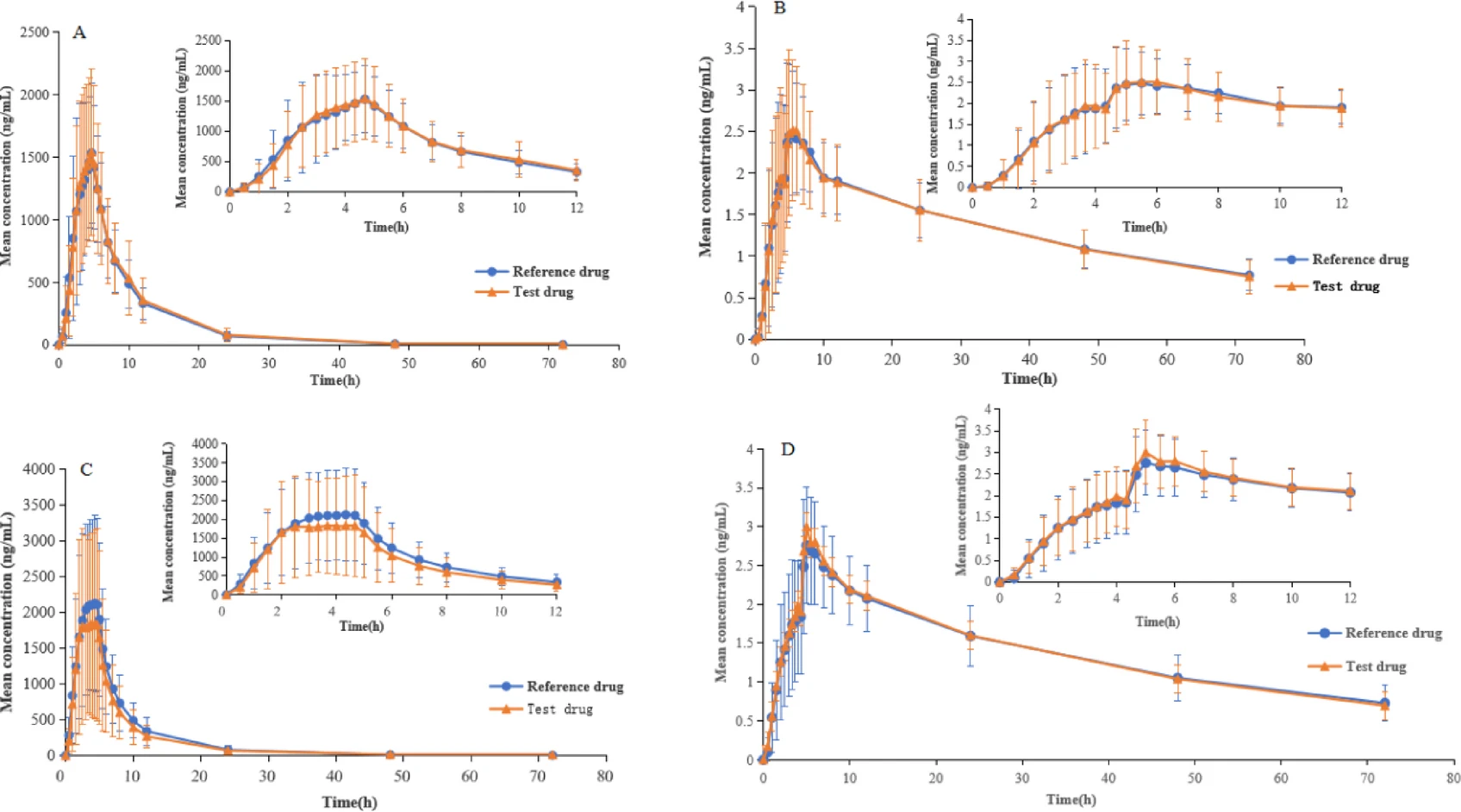
In 2026, regulatory bodies like the WHO and various national health authorities allow generic companies to follow an abbreviated path for approval. Because the safety and efficacy of the molecule are already established, the generic company only needs to prove “Bioequivalence.” This means they must show that their drug delivers the same amount of active ingredient to the bloodstream at the same rate as the branded version. These studies are smaller and less expensive, allowing for a much lower market price.
4. Process Engineering: Reducing Costs Through Technical Efficiency
As a field that relies heavily on chemical synthesis and materials engineering, modern generic manufacturing has become incredibly efficient in 2026. Process engineering is a major factor in driving down the price of generic oncology drugs.
Chemical Synthesis Optimization
Generic manufacturers often develop more efficient ways to synthesize the drug molecule after the original patent expires. By optimizing the chemical reactions and reducing the number of steps in the manufacturing process, they can lower the cost of production. This technical efficiency allows them to produce high-purity APIs (Active Pharmaceutical Ingredients) at a lower per-milligram cost than the original manufacturer did years prior.
Scale of Production
Many generic hubs in South Asia have built massive facilities designed specifically for high-volume production. When you manufacture millions of tablets in a single run using automated systems, the overhead cost per tablet drops significantly. This “economy of scale” is a cornerstone of affordable oncology. In 2026, these facilities are some of the most advanced in the world, using real-time monitoring and robotics to maintain 100% precision while keeping costs low.
5. The Role of Market Competition in 2026
In 2026, the pharmaceutical market operates on the principle that competition drives quality and reduces price. When multiple companies produce the same generic molecule, they must compete to be the preferred choice for hospitals and insurance providers.
The Price-Drop Curve
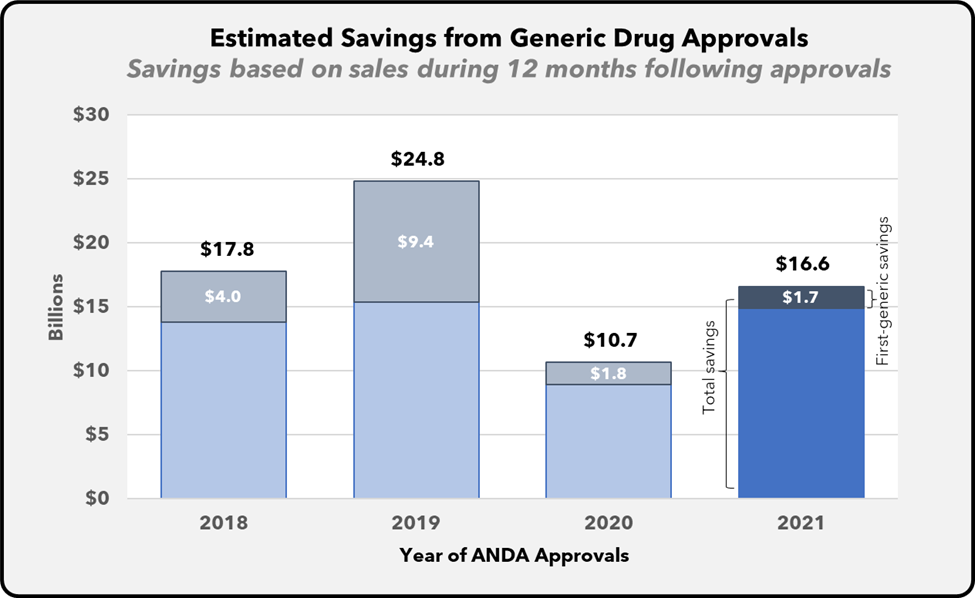
History shows that when the first generic version of an oncology drug enters the market, the price might drop by 20% to 30%. However, once three or more manufacturers are competing, the price often drops by 80% or more. This competition forces companies to be as efficient as possible. It also encourages transparency, as manufacturers must prove their quality through expert reviews and clinical data to win the trust of oncologists.
Reducing Marketing Overhead
Branded companies spend a significant portion of their revenue on television advertisements and global sales teams. Generic manufacturers typically do not engage in this level of high-cost marketing. Instead, they focus on providing the medicine to hospitals and pharmacies. By cutting out the “promotional fluff,” the focus remains solely on the medicine itself, leading to a much lower price for the end-user.
6. Bioequivalence as the Anchor of Trust
For a generic drug to be considered a viable cost-saving option, it must be scientifically identical in performance to the branded drug. This is the concept of bioequivalence, which is the scientific foundation of the generic industry in 2026.
Adhering to ICH M9 Guidelines
High-quality generic oncology drugs are tested according to international standards, such as the ICH M9 guideline on biopharmaceutics. This ensures that the drug dissolves correctly in the stomach and is absorbed by the body at the same rate as the original. For a patient, this means that switching from a branded drug to a bioequivalent generic will not change the therapeutic effect on the cancer cells.
Quality Assurance and cGMP
Every reputable generic manufacturer must follow Current Good Manufacturing Practices (cGMP). These are rules that ensure every batch of medicine is pure, stable, and strong. In 2026, the technology used to test these drugs—such as High-Performance Liquid Chromatography (HPLC)—is so sensitive that it can detect even the smallest impurity. This level of technical oversight ensures that “affordable” never means “sub-standard.”
7. The Financial Benefits of Treatment Adherence
While the focus is often on the price of the pill, the real financial benefit of generics is that they enable better treatment adherence. Adherence is the most effective long-term cost-saving strategy in oncology.
Preventing Disease Progression
If a patient skips doses because of the high cost of a branded drug, the cancer may progress or become resistant to treatment. Managing a progressed cancer is significantly more expensive than treating it in the early stages. Second-line and third-line therapies are often much more complex and costly. By using an affordable generic from the start, a patient can stay on their treatment plan, potentially avoiding the need for more expensive interventions later.
Reducing Hospital Readmissions
Financial stress often leads to poor overall health and missed supportive care. When a patient uses affordable generic options for both their primary cancer drug and their supportive care (such as anti-nausea medication), they are less likely to suffer complications that lead to expensive emergency room visits or hospital stays. Maintaining health through affordable medicine is a proactive way to manage the total cost of care.
8. Digital Tools and Price Transparency in 2026
The year 2026 has brought new digital tools that help patients find the most affordable care. Information is no longer hidden behind hospital walls; it is available at your fingertips.
Direct-to-Patient Platforms
In 2026, many patients are using digital platforms to source their oncology medicines directly from authorized distributors. By cutting out the middlemen in the supply chain, these platforms provide medications at a lower markup. These sites also provide expert-reviewed information, allowing patients to compare the data of different generic manufacturers.
Blockchain for Supply Chain Integrity
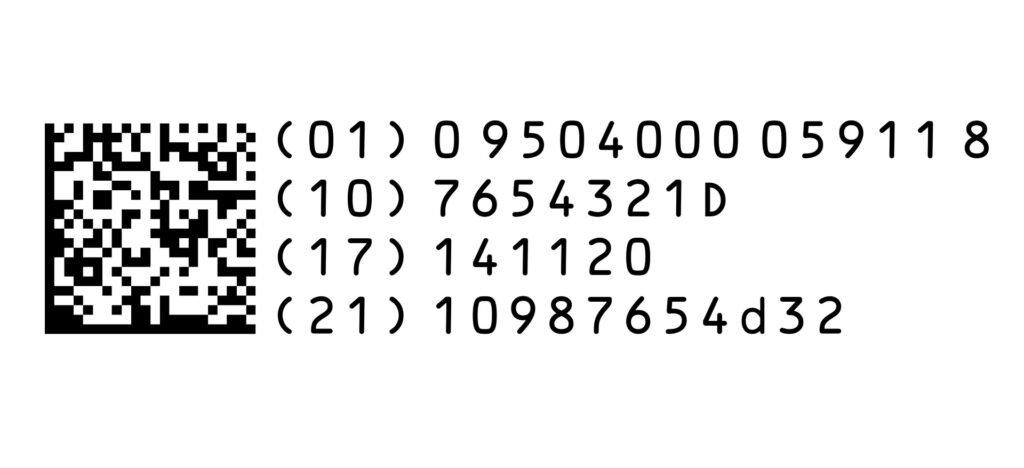
To ensure that affordable generics are also safe, many distributors now use blockchain technology to track the medicine’s journey. By scanning a QR code on the box, a patient can verify the authenticity of their drug and see its storage history. This level of transparency builds the trust necessary for patients to switch to generic options, knowing they are getting the real molecule at a fair price.
9. Patient Assistance Programs and Global Support
Even with the availability of generics, some advanced therapies may still be expensive for some families. In 2026, there is a strong network of support designed to bridge this gap.
Manufacturer-Led PAPs
Many large generic manufacturers offer Patient Assistance Programs (PAPs) specifically for their oncology portfolios. These programs may provide the medication at a further discount or even for free to patients who meet certain financial criteria. Always ask your pharmacist or oncologist if the manufacturer of your generic medication has an assistance program.
International Foundations
Global organizations in 2026 focus on providing access to cancer care in developing regions. These foundations often partner with generic manufacturers to distribute high-tech medicines to those who need them most. Accessing these resources can significantly reduce the out-of-pocket cost for a family, ensuring that no one is denied treatment due to their financial situation.
10. Summary: A New Standard of Affordable Care
Managing the cost of cancer treatment in 2026 requires a combination of scientific understanding and practical planning. The rise of high-quality generic oncology has created a new standard of care where affordability and excellence exist together. By moving away from high-priced branded monopolies and embracing the competitive generic market, we are making cancer care more human and more sustainable.
Generic drugs achieve their low price through the elimination of discovery costs, the use of abbreviated regulatory paths, and the application of highly efficient process engineering. These are not shortcuts; they are the result of a more efficient economic model. For the patient, the benefit is clear: access to life-saving molecules without the burden of catastrophic debt.
As we move forward, the commitment to transparency and quality in the generic industry will continue to grow. By prioritizing bioequivalence, adhering to international cGMP standards, and utilizing digital transparency tools, we can ensure that every patient has a safe and affordable path to recovery. Financial toxicity should not be an accepted part of cancer care. With the right information and access to high-quality generics, we can focus on what truly matters: healing and a return to a healthy life.
Medical Disclaimer: The information provided in this article is for educational and awareness purposes only and is not intended to be a substitute for professional medical advice, diagnosis, or treatment. Every patient’s medical situation is unique. Decisions regarding cancer treatment, including the choice between branded and generic medications, must always be made in consultation with a qualified oncologist or a registered medical professional. Never disregard professional medical advice or delay seeking it because of something you have read on this website. The identification of a high-quality medication and the management of treatment costs should always be verified by your healthcare provider.