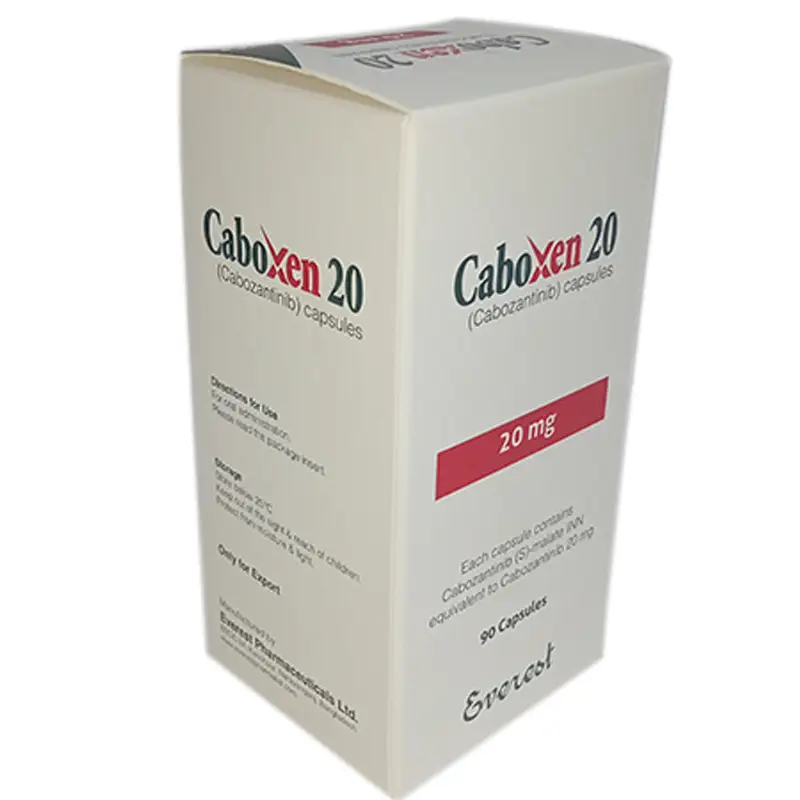
Caboxen 20 mg (Cabozantinib) is a highly potent, orally bioavailable, multi-targeted Tyrosine Kinase Inhibitor (TKI). Unlike early-generation targeted therapies that inhibit single pathways, cabozantinib provides dual blockade of the vascular endothelial growth factor receptor (VEGFR) pathways alongside the MET and AXL kinases. It is formally indicated for the treatment of adult patients with advanced Renal Cell Carcinoma (RCC), patients with Hepatocellular Carcinoma (HCC) who have been previously treated with sorafenib, and patients with radioactive iodine-refractory Differentiated Thyroid Cancer (DTC). By suppressing these specific kinases, Caboxen disrupts tumor angiogenesis, mitigates metastasis, and overcomes the inherent resistance mechanisms tumors develop against primary VEGF-targeted therapies.
Healthcare Expert Insight
“In the management of advanced genitourinary and gastrointestinal malignancies, tumor plasticity and acquired resistance remain our greatest clinical hurdles. Historically, once a patient with renal cell carcinoma progressed on a first-line VEGF inhibitor, our systemic options were severely limited. The introduction of broad-spectrum multikinase inhibitors like cabozantinib fundamentally altered our treatment sequencing.
By simultaneously targeting VEGFR, MET, and AXL—the exact escape pathways tumors use to bypass standard anti-angiogenic agents—we can re-establish disease control. However, the immense financial toxicity associated with the innovator brand frequently restricts continuous patient compliance. The integration of therapeutically equivalent generics like Caboxen provides a vital solution. It enables us to sustain maximum receptor blockade and adhere to strict dosing protocols without compromising clinical efficacy due to economic barriers.” –Dr. Salma Elreedy
Clinical Data & Adverse Event Management
Precise Indications & Clinical Prerequisites
Unlike targeted therapies requiring specific genetic biomarkers (such as ALK or FLT3 mutations), Caboxen is prescribed based on disease staging and prior treatment sequencing:
Advanced Renal Cell Carcinoma (RCC): Indicated as a single agent or in combination with nivolumab for first-line treatment.
Hepatocellular Carcinoma (HCC): Indicated specifically for patients who have demonstrated disease progression following prior treatment with sorafenib.
Differentiated Thyroid Cancer (DTC): Indicated for patients ≥ 12 years of age with locally advanced or metastatic DTC that has progressed following prior VEGFR-targeted therapy and who are radioactive iodine-refractory.
Mechanism of Action & Pharmacokinetics (ADME)
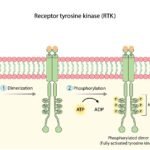
Cabozantinib inhibits multiple receptor tyrosine kinases implicated in tumor growth, angiogenesis, and metastatic progression, primarily VEGFR-1, -2, and -3, MET, AXL, RET, KIT, and FLT3.
Absorption: Peak plasma concentration (Tmax) is reached between 3 to 4 hours post-dose. Administration with a high-fat meal significantly increases the AUC (by 57%) and Cmax (by 39%), mandating strict empty-stomach administration.
Distribution: Highly protein-bound in human plasma (≥ 99.7%).
Metabolism: Extensively metabolized in the liver, predominantly by the CYP3A4 enzyme, with a minor contribution from CYP2C9.
Excretion: Excreted primarily in feces (54%) and urine (27%). The terminal half-life is highly extended, averaging 99 hours.
Dosage & Adverse Event (AE) Management Protocols
Baseline Dosing: The recommended dose for RCC and HCC as a single agent is 60 mg once daily (administered as three 20 mg tablets). Crucial Administration Rule: Do not eat for at least 2 hours before and 1 hour after taking Caboxen.
Toxicity / Adverse Event
Grade Severity
Clinical Protocol & Dose Modification
Gastrointestinal (GI) Perforation or Fistula
Any Grade
Permanently discontinue Caboxen. Do not attempt dose reduction or interruption.
Withhold Caboxen until PPE improves to Grade 1. Resume at a reduced dose (e.g., reduce from 60 mg to 40 mg daily). If Grade 3 recurs, reduce to 20 mg daily.
Hypertension and Hypertensive Crisis
Grade 3 (Persistent) or Grade 4
Withhold for Grade 3 until BP is controlled, then resume at a reduced dose. Permanently discontinue for hypertensive crisis or severe hypertension unresponsive to medical management.
Wound Healing Complications
Any Grade requiring intervention
Withhold treatment for at least 28 days prior to scheduled surgery. Resume post-surgery only upon complete clinical wound healing.
Table-01: Caboxen 20 mg Adverse Event Management
Clinical Efficacy & Real-World Data
The clinical superiority of cabozantinib is validated through robust Phase 3 trial data:
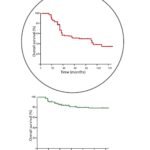
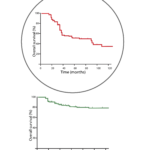
METEOR Trial (Advanced RCC): Cabozantinib demonstrated a statistically significant improvement in Overall Survival (OS) with a median of 21.4 months compared to 16.5 months for everolimus (Hazard Ratio [HR] = 0.66; p=0.0002). Progression-Free Survival (PFS) was 7.4 months versus 3.8 months.
CELESTIAL Trial (Advanced HCC): In sorafenib-pretreated patients, the median OS was 10.2 months with cabozantinib versus 8.0 months with placebo (HR = 0.76; p=0.005).
Real-World Evidence (RWE): Post-marketing analyses confirm that patients requiring dose reductions (e.g., dropping from 60 mg to 40 mg or 20 mg due to AEs like PPE) maintain comparable progression-free survival rates, validating the necessity of careful toxicity management over rigid adherence to the maximum dose.
Drug-Drug Interaction Matrix
Co-administered Drug Class
Examples
Clinical Interaction
Management Protocol
Strong CYP3A4 Inhibitors
Ketoconazole, Itraconazole, Clarithromycin
Increases Cabozantinib plasma concentrations (AUC), severely elevating the risk of toxicities (e.g., PPE, hypertension).
Reduce the daily Caboxen dose by 20 mg (e.g., from 60 mg to 40 mg). Resume standard dose 2-3 days after discontinuing the inhibitor.
Strong CYP3A4 Inducers
Rifampin, Phenytoin, Carbamazepine
Decreases Cabozantinib plasma concentrations, risking sub-therapeutic levels and treatment failure.
Increase the daily Caboxen dose by 20 mg (e.g., from 60 mg to 80 mg), not to exceed 80 mg daily.
Table-02: Caboxen Drug Interaction
Precautions & Special Populations
Pregnancy: Cabozantinib causes embryo-fetal toxicity. Females of reproductive potential must use highly effective contraception during treatment and for 4 months following the final dose.
Lactation: Breastfeeding is strictly contraindicated during treatment and for 4 months after the final dose due to potential serious adverse reactions in the infant.
Hepatic Impairment: For patients with mild to moderate hepatic impairment (Child-Pugh A and B), reduce the starting dose to 40 mg once daily. Caboxen is not recommended for patients with severe hepatic impairment.
Renal Impairment: No dose adjustment is required for mild or moderate renal impairment. Use with caution in patients with severe renal impairment.
Storage Logistics: Store strictly at 20°C to 25°C (68°F to 77°F). Excursions permitted to 15°C to 30°C. Cold-chain logistics are not required.
Global Named Patient Importation Guide, Manufacturer Quality Assurance, Head to Head Comparison
Global Access & Personal Importation (NPP)
For patients in regions where Caboxen is not commercially registered, legal acquisition is facilitated through the Named Patient Program (NPP). This international framework permits the importation of critical medications for personal use under direct medical supervision.
Medical Verification: Secure a valid, physically signed prescription from the treating medical oncologist.
Clinical Justification: Submit a Letter of Medical Necessity detailing the patient’s diagnosis, prior treatment failures (e.g., prior VEGFR therapy), and the absolute requirement for cabozantinib.
Customs & Ministry of Health (MOH) Clearance: Specialized medical exporters manage all local MOH documentation to guarantee safe, legal, and transparent transit of the medication directly to the patient’s treating facility.
Manufacturing Quality Assurance
Caboxen is developed and manufactured by Everest Pharmaceutical, a highly specialized oncology producer. The manufacturing infrastructure adheres strictly to World Health Organization Good Manufacturing Practices (WHO-GMP). To ensure absolute clinical parity with the innovator brand, Everest enforces rigorous bioequivalence testing, focusing heavily on matching the dissolution kinetics and systemic absorption rates of the cabozantinib malate salt, ensuring predictable plasma concentrations for patients.
Brand vs. Generic Equivalence
Metric
Cabometyx (Innovator)
Caboxen (Generic)
Active Pharmaceutical Ingredient
Cabozantinib (as malate)
Cabozantinib (as malate)
Dosage Form
20 mg, 40 mg, 60 mg Tablets
20 mg Tablet
Therapeutic Indications
RCC, HCC, DTC
RCC, HCC, DTC
Administration Route
Oral (Empty Stomach)
Oral (Empty Stomach)
Bioequivalence Level
Originator Standard
Therapeutically Equivalent
Table-03: Brand vs Generic Comparison
Frequently Asked Questions (FAQs)
Is there a difference between Cabometyx and Cometriq?
Yes. While both contain the active ingredient cabozantinib, they are not interchangeable. Cabometyx (and its equivalent Caboxen) comes in tablet form and is indicated for RCC, HCC, and DTC. Cometriq comes in capsule form and is specifically indicated for Medullary Thyroid Cancer (MTC).
Why must I take Caboxen on an empty stomach?
Food, particularly high-fat meals, drastically increases how much cabozantinib is absorbed into your bloodstream. Taking the medication with food can cause a rapid spike in drug levels, severely increasing your risk of dangerous side effects like high blood pressure and internal bleeding.
How do I manage the hand-foot syndrome (PPE) caused by this drug?
Palmar-plantar erythrodysesthesia (PPE) causes redness, swelling, and pain on the palms of the hands and soles of the feet. You should regularly apply thick, urea-based moisturizers, avoid hot water and friction, and wear well-padded shoes. Report any blistering to your oncologist immediately, as you may require a dose reduction.
Can I undergo dental work or surgery while taking Caboxen?
Because cabozantinib inhibits blood vessel growth, it severely impairs wound healing. You must inform your oncologist of any planned surgeries or invasive dental procedures. Caboxen must be stopped at least 28 days prior to any surgery and should only be restarted once the wound has fully healed.
Can I take antacids or proton pump inhibitors (PPIs) with Caboxen?
Yes. Unlike some other targeted therapies where stomach acid is required for absorption, cabozantinib absorption is not significantly affected by gastric pH altering medications like omeprazole or famotidine.
What is the price of Caboxen 20 mg globally?
The price of Caboxen is structurally optimized to be highly accessible compared to the innovator brand, Cabometyx, while offering identical therapeutic outcomes. Exact pricing fluctuates based on regional import taxes, logistics, and the administrative framework of the Named Patient Program (NPP) in the destination country. Patients should consult with their certified global medical exporter for a direct quote.