Prescription required. We facilitate access to medicines already prescribed by your treating physician. We do not provide medical advice or diagnoses.


Understanding jak inhibitor vitiligo cream and treatment

Vitiligo is a skin condition that affects millions worldwide. It causes patches of skin to lose their color. This can lead to significant emotional and psychological distress.
Recent advancements in treatment offer new hope. Jak inhibitors, a class of medication, are at the forefront. They target specific pathways in the immune system. As a topical option, a jak inhibitor vitiligo cream can complement care plans alongside other therapies in the latest vitiligo treatment landscape.
Ruxolitinib, a type of Jak inhibitor, has shown promise. It is available as a topical cream called Opzelura. This cream is specifically designed for vitiligo treatment (often referred to as ruxolitinib cream for vitiligo and, in some Spanish-language sources, ruxolitinib vitíligo).
Understanding how these treatments work is crucial. They represent a breakthrough in managing vitiligo. Patients now have more options than ever before.
This article explores the role of Jak inhibitors in vitiligo treatment. It provides insights into their effectiveness and safety, and how jak inhibitors for vitiligo are shaping modern management.
What Is Vitiligo? Understanding the Condition
Vitiligo is an autoimmune condition affecting the skin. The immune system mistakenly attacks melanocytes. Melanocytes are cells responsible for skin pigmentation.
This attack results in depigmented patches. These can appear anywhere on the body. They are most noticeable on areas exposed to the sun.
The causes of vitiligo are not completely understood. However, both genetic and environmental factors contribute. Family history often increases risk.
Symptoms of vitiligo extend beyond the physical. It can deeply impact emotional and social well-being. Many patients seek treatment to regain skin color and confidence.
Key characteristics of vitiligo include:
- Loss of skin pigmentation
- Appearance of white patches
- Symmetrical or scattered pattern
Understanding vitiligo helps in identifying and managing the condition. Early treatment can improve outcomes and quality of life.

The Science Behind Jak Inhibitors
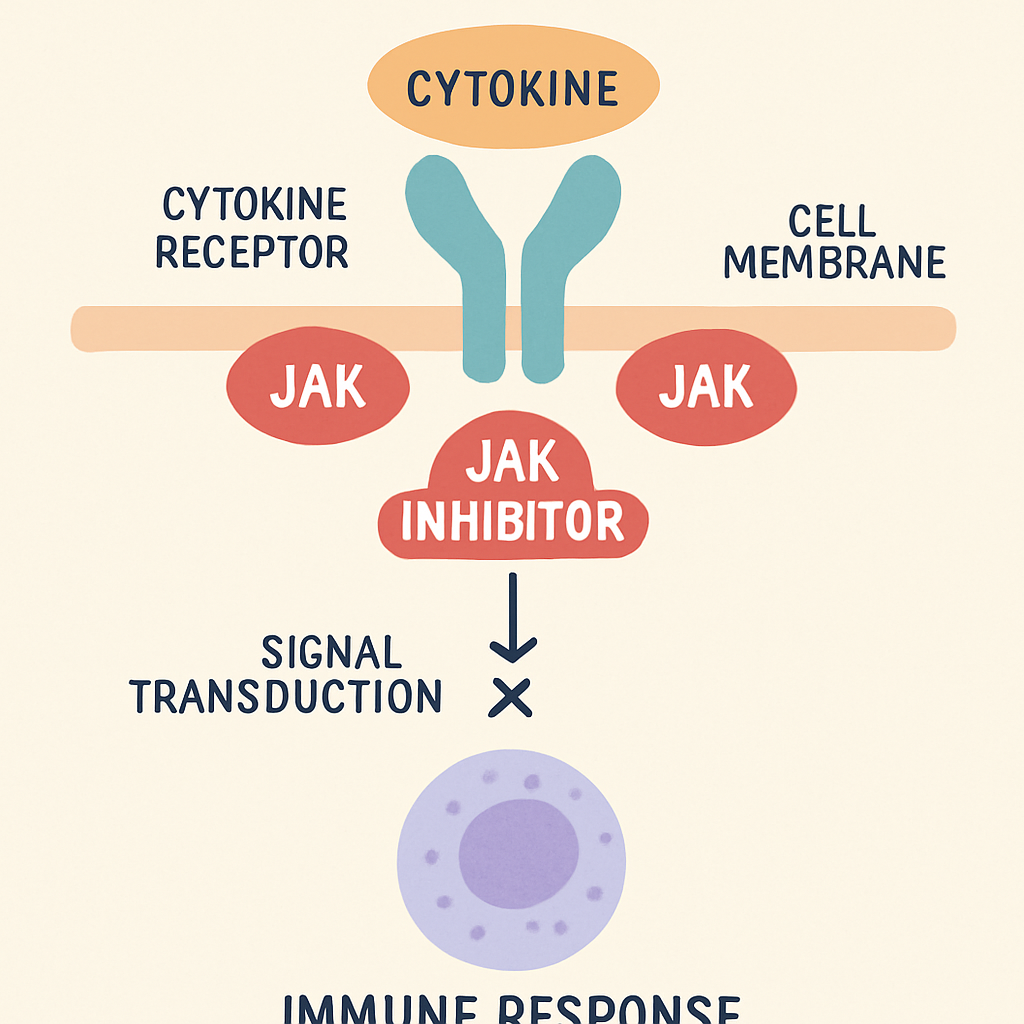
Jak inhibitors have revolutionized the approach to treating autoimmune conditions. These medications target the Janus kinase (JAK) pathways. This pathway plays a crucial role in immune responses.
By modulating these pathways, Jak inhibitors help reduce inflammation. They specifically prevent immune cells from overreacting. This is vital in conditions like vitiligo, where the immune system mistakenly attacks healthy cells.
Ruxolitinib, a prominent Jak inhibitor, is pivotal in vitiligo treatment. Its mechanism of action involves interfering with the JAK-STAT signaling pathway. This pathway is often overactive in autoimmune disorders.
The benefits of Jak inhibitors include:
- Reducing destructive immune activity
- Promoting cell survival and repigmentation
- Targeting specific immune responses
Understanding the detailed workings of Jak inhibitors provides insights into their effectiveness. Their targeted approach distinguishes them from conventional therapies. This specificity opens new horizons in treating autoimmune skin conditions.
How Do Jak Inhibitors Work in Vitiligo?
Vitiligo involves the loss of skin pigment, often due to immune-related attacks on melanocytes. Jak inhibitors play a critical role in countering this process. They target specific pathways responsible for immune overactivity.
The JAK-STAT signaling pathway is central to immune cell communication. In vitiligo, this pathway becomes hyperactive, leading to melanocyte destruction. By inhibiting JAK enzymes, these creams reduce this hyperactivity.
As a result, Jak inhibitors protect melanocytes from immune attacks. This protection helps maintain skin pigment and promote repigmentation. Patients have seen significant skin tone improvements through this mechanism.
The process can be summarized as follows:
- Jak inhibitors block JAK enzymes
- This blockage reduces immune overactivity
- Melanocytes remain protected, aiding in repigmentation
Ruxolitinib cream exemplifies this mode of action. It is directly applied, focusing treatment on affected areas. This precision minimizes impact on the rest of the body, enhancing the treatment’s safety profile.
 by Logan Voss (https://unsplash.com/@loganvoss)
Ruxolitinib Cream (Opzelura): A Breakthrough in Vitiligo Treatment
Opzelura, a topical ruxolitinib cream, represents a new era in vitiligo management. It is the first FDA-approved topical treatment specifically formulated for this condition. Ruxolitinib targets the causes of vitiligo at a cellular level.
How does opzelura work? The cream modulates immune responses within the skin by acting on the JAK-STAT pathway. This reduces melanocyte destruction, supporting skin repigmentation. Patients have reported visible improvements in patch repigmentation with consistent use.
Opzelura offers an accessible and straightforward application method. Patients apply the cream directly to affected skin areas, which allows it to target localized symptoms. This targeted approach minimizes the potential for systemic side effects.
Approved for adults and adolescents, this treatment has shown positive results across varied demographics. Clinical trials have demonstrated its efficacy in improving skin appearance. The approval marks a significant milestone in dermatology, especially in vitiligo treatment.
Here’s a summary of Opzelura’s key attributes:
- First FDA-approved topical cream for vitiligo
- Reduces immune activity and protects melanocytes
- Suitable for both adults and adolescents
- Demonstrates efficacy in repigmenting skin areas
Opzelura’s introduction has provided hope for many living with vitiligo. It underscores the advancement in treatment options available today.
Clinical Evidence: Efficacy and Safety of Jak Inhibitor Vitiligo Creams
Clinical trials have played a crucial role in evaluating the efficacy of Jak inhibitor creams like Opzelura. These studies have produced promising results, showing significant improvement in skin pigmentation for many users. Participants reported noticeable repigmentation within months of use.
The trials focused on both short-term and long-term outcomes. Data revealed consistent repigmentation and lessening of vitiligo symptoms over time. Researchers noted that patients tolerated the cream well, with few adverse reactions documented. This confirms the safety profile of ruxolitinib cream.
Furthermore, these studies involved diverse populations, enhancing the generalizability of the findings. Results consistently showed the cream’s effectiveness across various skin types and age groups. This makes it an inclusive treatment option for vitiligo patients worldwide.
Here are notable findings from recent clinical studies:
- Up to 50% improvement in treated skin areas
- Low incidence of serious side effects
- Broad efficacy across different demographic groups
- Long-term safety confirmed by extended trials
These clinical evaluations underscore the potential of Jak inhibitor creams like Opzelura in transforming vitiligo treatment. The evidence supports its use as a safe and effective option among the latest vitiligo treatment choices.
How to Use Ruxolitinib Cream for Vitiligo
Using ruxolitinib cream requires careful adherence to dermatologists’ guidelines. Proper application ensures maximum efficacy and safety. Before using the cream, clean the affected area thoroughly. Dry it gently before proceeding.
Application involves a thin layer of the cream spread over the discolored patches. Use your fingertips for an even coat, avoiding excessive amounts. Follow the prescribed schedule for best results, typically once or twice daily. Consistency in application is crucial.
Dermatologists may prescribe ruxolitinib cream for vitiligo as part of a comprehensive plan that can also include light-based therapies.
Important usage tips include:
- Avoid contact with eyes and mouth
- Wash hands after application
- Do not apply to broken skin
- Keep out of reach of children
Compliance with these guidelines enhances treatment outcomes. Always consult with a healthcare professional to address any concerns or questions.
Benefits and Limitations of Jak Inhibitors for Vitiligo
Jak inhibitors offer a promising solution for vitiligo patients. They specifically target the immune pathways that drive skin depigmentation. This targeted action results in notable repigmentation and improvements in skin appearance.
Patients using Jak inhibitors, like ruxolitinib cream, often report increased self-esteem. The psychological benefits can be substantial, as achieving visible results enhances confidence. The ease of topical application is another advantage, providing a convenient treatment option.
However, there are limitations to consider. Jak inhibitors might not work effectively for everyone. Individual responses can vary, requiring personalized treatment plans. Furthermore, insurance coverage and treatment costs could pose financial challenges.
Key benefits and limitations include:
- Targeted immune response modification
- Potential for psychological improvement
- Varied individual efficacy
- Financial considerations
Understanding both the benefits and drawbacks allows patients to make informed treatment decisions. Consulting with healthcare providers can clarify expectations and guide therapy choices. In many cases, jak inhibitors for vitiligo are one part of a tailored, multi-modal approach.
Side Effects and Safety Considerations
When considering Jak inhibitors for vitiligo, understanding potential side effects is crucial. Most patients experience mild side effects from ruxolitinib cream. Common reactions include redness or irritation at the site of application.
It’s important to monitor any unusual reactions. Dermatologists can provide guidance on managing side effects effectively. Keeping an open line of communication with healthcare providers is essential.
Key safety considerations include:
- Mild application site reactions
- Monitoring for unusual skin reactions
- Regular consultation with a dermatologist
Awareness of these considerations helps patients use Jak inhibitors safely. It is vital to follow application instructions and report any adverse effects to a healthcare provider promptly.
Combining Jak Inhibitors with Other Vitiligo Treatments
Jak inhibitors can be used alongside other treatments for enhanced results. Combining therapies may improve repigmentation and offer patients more comprehensive care. Dermatologists often recommend personalized treatment plans.
Possible combinations include:
- Phototherapy
- Topical corticosteroids
- Immunomodulators
Consulting a dermatologist can help identify the best combination approach. Tailored strategies can maximize treatment effectiveness and meet individual patient needs.
Access, Cost, and Insurance Coverage
Access to Jak inhibitor creams may vary by region and healthcare system. Costs can be high, but insurance might cover part of the expense. It’s wise to verify coverage with your provider.
Key points to consider:
- Check local availability
- Discuss costs with your healthcare provider
- Confirm insurance coverage options
Planning is essential for managing treatment expenses effectively.
The Future of Vitiligo Treatment: What’s Next?
Research in vitiligo treatment is rapidly evolving. Future therapies may include more targeted approaches and personalized medicine. Continued advancements promise improved outcomes for patients.
Emerging areas of interest:
- Gene therapy developments
- New biologic treatments
- Enhanced understanding of disease mechanisms
These innovations offer hope for more effective and tailored treatments in the coming years.
Key Takeaways and Patient Guidance
Jak inhibitors represent a significant advancement in vitiligo treatment. Ruxolitinib cream has proven effective for many patients. However, discussing options with a dermatologist is crucial.
Patients should consider the potential benefits and limitations. Each treatment’s effectiveness can vary. Knowing all available options ensures informed decisions.
Remember these key points:
- Consult a healthcare provider for personalized advice.
- Be aware of possible side effects.
- Stay informed about the latest research and treatments.
Empower yourself with knowledge to make the best choices for your skin health. For some, a jak inhibitor vitiligo cream can be a practical option within a broader plan.
What is vitiligo and why does the immune system play a role?
Vitiligo is an autoimmune skin condition in which the immune system mistakenly attacks melanocytes—the pigment-producing cells—leading to depigmented (white) patches that can occur anywhere on the body, often in sun-exposed areas. Both genetic and environmental factors contribute to risk, and the condition can significantly affect emotional well-being. Understanding its immune-driven nature is key to choosing treatments that calm this overactive response.
What are JAK inhibitors and how do they help in vitiligo?
JAK inhibitors are medications that target the Janus kinase (JAK) pathways, a core part of the JAK-STAT signaling system that drives immune activity. In vitiligo, this pathway is overactive and contributes to melanocyte destruction. By blocking JAK enzymes, these treatments reduce immune overactivity, protect melanocytes, and support repigmentation—offering a more targeted approach than many conventional therapies.
What is Opzelura (ruxolitinib cream), and who is it for?
Opzelura is a topical form of the JAK inhibitor ruxolitinib and is the first FDA-approved cream specifically for vitiligo. Applied directly to affected areas, it modulates the JAK-STAT pathway in the skin to reduce melanocyte damage and promote repigmentation. It is approved for adults and adolescents, has shown visible improvements within months in clinical trials, and demonstrated up to about 50% improvement in treated areas with a low rate of serious side effects across diverse patient groups.
How should ruxolitinib cream be used for best results?
Clean and gently dry the affected skin, then apply a thin, even layer of the cream to depigmented patches as prescribed—typically once or twice daily—and be consistent. Avoid the eyes and mouth, do not apply to broken skin, and wash hands after use. Dermatologists may include ruxolitinib cream within a broader plan that can also involve light-based therapies. Following these guidelines and your clinician’s instructions helps maximize both efficacy and safety.
What about side effects, combining treatments, and cost?
Most side effects with ruxolitinib cream are mild and localized—such as redness or irritation at the application site. Monitor for unusual reactions and stay in touch with your dermatologist. JAK inhibitor creams can be combined with other therapies (for example, phototherapy, topical corticosteroids, or other immunomodulators) to enhance outcomes, based on personalized plans. Access and costs vary by region and insurer, so check local availability, discuss pricing with your clinician, and verify insurance coverage to plan expenses effectively.