Prescription required. We facilitate access to medicines already prescribed by your treating physician. We do not provide medical advice or diagnoses.


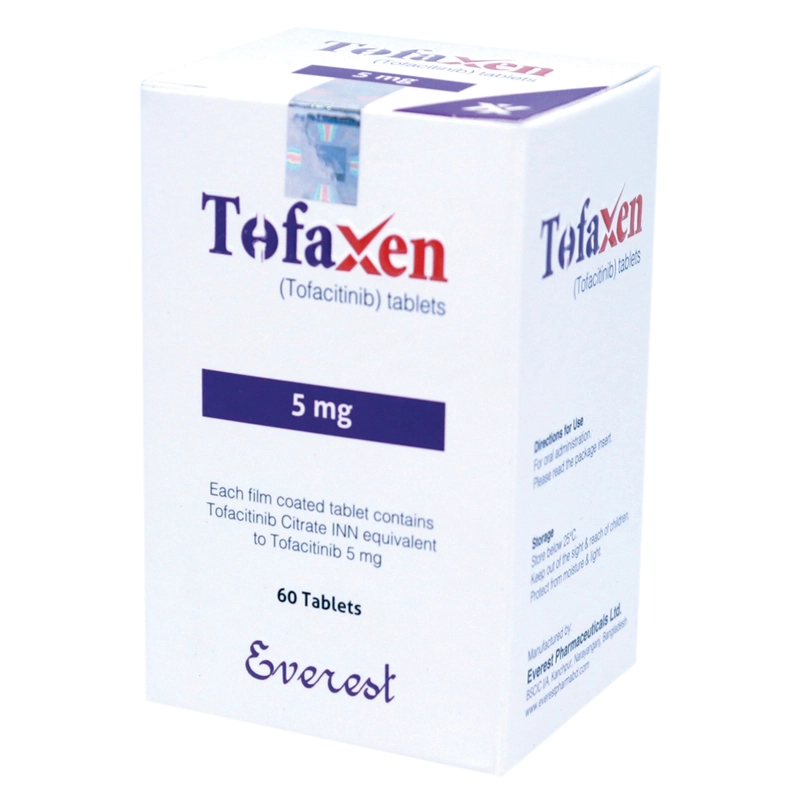
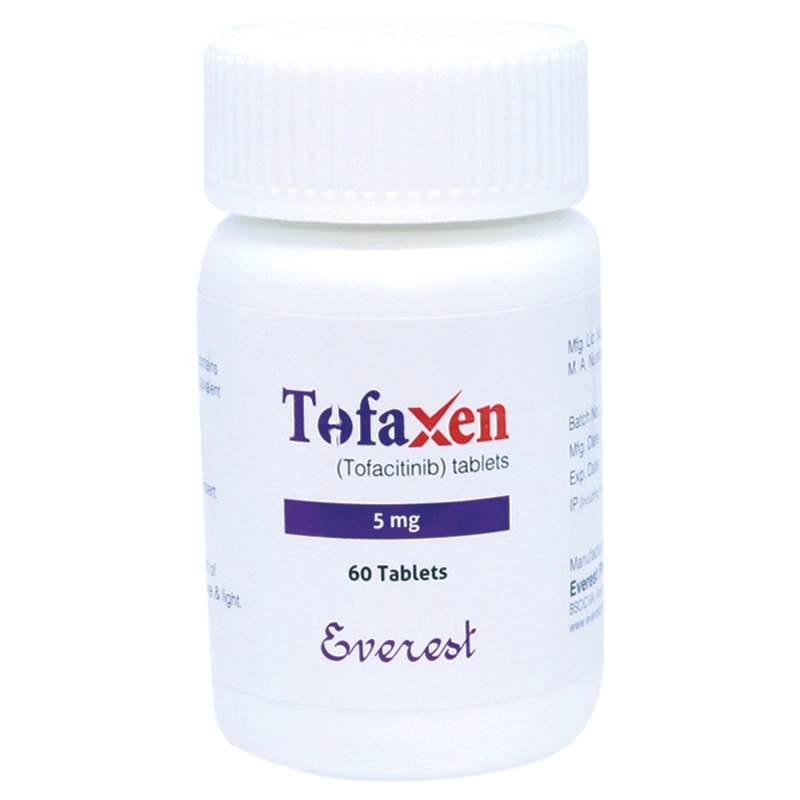
Tofaxen 5 mg (Tofacitinib) 30 Tablets | How to Access Globally
Our team provides verified global sourcing assistance to help you navigate international shipping and prescription requirements safely.
✓ WHO GMP Certified
✓ Reviewed By Medical Expert
✓ Batch Examined in Lab
Need Patient Access Support?
Tofaxen 5 mg is a highly purified, generic formulation of Tofacitinib, a potent and reversible Janus kinase (JAK) inhibitor. Originally developed under the innovator brand Xeljanz, this targeted small molecule is primarily indicated for the management of moderately to severely active Rheumatoid Arthritis (RA), active Psoriatic Arthritis (PsA), Ankylosing Spondylitis (AS), and Ulcerative Colitis (UC). By interrupting the intracellular signaling of key pro-inflammatory cytokines—specifically via the JAK-STAT pathway—Tofacitinib suppresses the systemic immune hyperactivation responsible for severe joint destruction and mucosal inflammation. Tofaxen 5 mg offers a therapeutically equivalent alternative, expanding global access to patients requiring advanced disease-modifying antirheumatic drugs (DMARDs) after failing standard methotrexate therapy.
Medical Expert Commentary on Tofaxen 5 mg
“In clinical practice, managing severe autoimmune and inflammatory conditions requires agents that act decisively at the molecular level. Before the availability of targeted small-molecule inhibitors, clinicians relied heavily on broad immunosuppressants or injectable biologic therapies, which often presented significant logistical, immunogenic, and tolerability challenges. The introduction of JAK inhibitors like tofacitinib fundamentally shifted our treatment paradigm.
By specifically blocking the phosphorylation and activation of STAT proteins, we can halt the inflammatory cascade from the inside out using an oral agent. However, the true clinical impact of any highly effective medication is ultimately defined by its accessibility. The availability of bioequivalent generics like Tofaxen, manufactured under strict WHO-GMP standards, removes the prohibitive cost barriers associated with the innovator brand. This ensures continuity of care, allowing a broader global patient population to achieve sustained clinical remission without the severe financial distress that often accompanies advanced targeted therapies.” -Dr. Salma Elreedy
Clinical Guide & Risk Management Protocol
Precise Indications & Pathway Mechanics
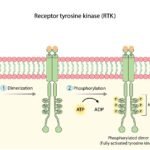
Unlike biologics that target extracellular cytokines, Tofacitinib operates intracellularly. It primarily inhibits JAK1 and JAK3, with lesser affinity for JAK2 and TYK2. This inhibition prevents the phosphorylation of Signal Transducers and Activators of Transcription (STATs), directly suppressing the transcription of immune cells involved in hematopoiesis and the inflammatory response.
Biomarker & Diagnostic Requirements:
- Routine Baseline Testing: Absolute Lymphocyte Count (ALC), Absolute Neutrophil Count (ANC), and Hemoglobin (Hb).
- Infectious Disease Screening: Mandatory screening for latent tuberculosis (TB), viral hepatitis (B and C), and HIV prior to initiation.
Pharmacokinetics (ADME Profile)
- Absorption: Rapidly absorbed with peak plasma concentrations (Tmax) reached within 0.5 to 1 hour. Absolute bioavailability is 74%.
- Distribution: Volume of distribution is 87 L. It binds to plasma proteins at approximately 40%.
- Metabolism: Hepatic metabolism primarily mediated by CYP3A4 (70%) and secondarily by CYP2C19 (30%).
- Excretion: 70% cleared hepatically, 30% excreted unchanged in urine.
- Half-Life: Approximately 3.2 hours for the immediate-release 5 mg formulation.
Dosage & Adverse Event (AE) Management
Baseline Dosing:
- Rheumatoid Arthritis / Psoriatic Arthritis: 5 mg twice daily.
- Ulcerative Colitis: 10 mg twice daily for at least 8 weeks (induction), followed by 5 mg or 10 mg twice daily depending on therapeutic response (maintenance).
| Adverse Event / Toxicity | Clinical Presentation | Dose Modification / Management Protocol |
|---|---|---|
| Lymphopenia | ALC < 500 cells/mm³ | Discontinue Tofaxen immediately. Do not initiate if baseline ALC < 500. |
| Neutropenia | ANC 500 to 1000 cells/mm³ | Interrupt dosing until ANC is > 1000 cells/mm³. Do not initiate if baseline ANC < 1000. |
| Anemia | Hb drop > 2 g/dL or Hb < 8.0 g/dL | Interrupt dosing until Hb normalizes. Do not initiate if baseline Hb < 9 g/dL. |
| Hepatotoxicity | AST/ALT > 3x Upper Limit of Normal | Interrupt dosing. Investigate for drug-induced liver injury (DILI). Discontinue if DILI is confirmed. |
| Lipid Elevations | Elevated Total Cholesterol, LDL | Monitor lipid panels 4-8 weeks post-initiation. Manage with statin therapy according to hyperlipidemia guidelines; dose adjustment of Tofaxen is not typically required. |
Drug-Drug Interaction Matrix
- Strong CYP3A4 Inhibitors (e.g., Ketoconazole): Significantly increases tofacitinib exposure. Action: Reduce Tofaxen dose to 5 mg once daily.
- Moderate CYP3A4 / Strong CYP2C19 Inhibitors (e.g., Fluconazole): Increases tofacitinib exposure. Action: Reduce Tofaxen dose to 5 mg once daily.
- Strong CYP3A4 Inducers (e.g., Rifampin): Decreases tofacitinib exposure, resulting in loss of clinical response. Action: Concomitant use is not recommended.
- Immunosuppressants (e.g., Azathioprine, Cyclosporine): Increased risk of severe immunosuppression. Action: Co-administration is strongly contraindicated.
Clinical Efficacy & Real-World Evidence (RWE)
Clinical validation stems from the ORAL phase III trial program:
- Efficacy: In the ORAL Standard trial, 51.5% of patients receiving 5 mg twice daily achieved an ACR20 response at Month 6, compared to 25.3% in the placebo group.
- Real-World Evidence & Safety Post-Marketing: The landmark ORAL Surveillance trial evaluated older patients (aged 50+) with RA and at least one cardiovascular risk factor. Real-world data from this trial necessitated an updated FDA Black Box warning, as Tofacitinib demonstrated a statistically higher risk of Major Adverse Cardiovascular Events (MACE) and malignancies (specifically lung cancer and lymphomas) compared to TNF inhibitors.
Precautions & Special Populations
- Pregnancy & Lactation: Pregnancy Category C. There are no adequate studies in pregnant women; use only if the potential benefit justifies the potential risk to the fetus. Lactation is not recommended during treatment and for at least 18 hours after the last dose.
- Pediatric Use: Safety and efficacy in children under 2 years of age have not been established.
- Geriatric Use: Higher incidence of serious infections has been observed in patients >65 years. Use with caution.
- Hepatic / Renal Impairment: For moderate to severe renal impairment, or moderate hepatic impairment, reduce dosage to 5 mg once daily. Not recommended for severe hepatic impairment.
- Storage & Handling: Store strictly below 30°C (86°F). Protect from moisture and direct light. No specialized cold-chain logistics are required.
Manufacturere Quality Control, Global Name Patient Importation
Everest Pharmaceuticals Manufacturing Insights
Everest Pharmaceuticals operates out of state-of-the-art facilities in Bangladesh, adhering strictly to WHO-GMP (Good Manufacturing Practices) guidelines. Every batch of Tofaxen 5 mg undergoes rigorous high-performance liquid chromatography (HPLC) testing and in-vivo bioequivalence studies to ensure the Active Pharmaceutical Ingredient (API) perfectly matches the dissolution, safety, and pharmacokinetic profile of the innovator brand.
Global Access via Named Patient Program (NPP)
Patients globally can access Tofaxen 5 mg for personal use through the Named Patient Program (NPP), a legally compliant pathway for importing life-saving medications not yet commercially approved in the patient’s home country. Required Documentation:
- Valid Prescription: Issued by a licensed, board-certified specialist.
- Letter of Medical Necessity: A formal letter from the treating physician explaining why standard local treatments have failed and why this specific formulation is required.
- Patient ID/Passport: For customs clearance.
- Import License: Depending on the destination country (e.g., FDA Personal Importation guidelines in the US, or MHRA in the UK), a localized import permit may be filed on the patient’s behalf.
Brand vs Generic Heat-to-Head Comparison
| Specification | Xeljanz (Innovator) | Tofaxen 5 mg (Generic) |
|---|---|---|
| Active Molecule | Tofacitinib Citrate | Tofacitinib Citrate |
| Manufacturer | Pfizer Inc. | Everest Pharmaceuticals Ltd. |
| Dosage Form | 5 mg Oral Tablet | 5 mg Oral Tablet |
| Bioequivalence | Standard Reference | 100% Therapeutically Equivalent |
| Indications | RA, PsA, UC, AS | RA, PsA, UC, AS |
Frequently Asked Questions (FAQs)
What exactly is Tofaxen 5mg used to treat?
Tofaxen 5mg contains the active ingredient tofacitinib. It is prescribed for adults with moderately to severely active Rheumatoid Arthritis (RA), Psoriatic Arthritis, Ankylosing Spondylitis, and Ulcerative Colitis who have not responded adequately to standard medications like methotrexate.
How does Tofacitinib compare to biologic injections?
Unlike biologics which require subcutaneous injections or intravenous infusions and target cytokines outside the cell, tofacitinib is a targeted small molecule taken orally as a pill. It works inside the cell to inhibit the JAK pathways, stopping inflammation at its source.
What is the price of Tofaxen 5mg compared to Xeljanz?
Because Tofaxen is produced by Everest Pharmaceuticals as a generic, it typically costs a fraction of the price of the innovator brand (Xeljanz). Exact pricing depends on your location, shipping logistics, and customs fees through the Named Patient Program. Contact a verified pharmaceutical distributor for a real-time quote.
Can I take Tofaxen 5mg at the same time as methotrexate?
Yes. Tofaxen can be used as a standalone monotherapy or in combination with methotrexate or other nonbiologic disease-modifying antirheumatic drugs (DMARDs). However, it should never be combined with biologic DMARDs or strong immunosuppressants like azathioprine.
What are the most common side effects of Tofacitinib?
The most frequently reported adverse reactions include upper respiratory tract infections, headache, diarrhea, and nasopharyngitis. Patients must also be monitored for serious side effects, including changes in liver enzymes, decreased white blood cell counts, and an increased risk of infections.
How do I legally import Tofaxen 5mg for personal use?
To legally import Tofaxen through the Named Patient Program, you must provide a valid prescription from your treating doctor, a letter of medical necessity, and personal identification. A certified medical exporter will handle the regulatory customs clearance to ensure safe, legal delivery directly to your home or clinic.
Related products

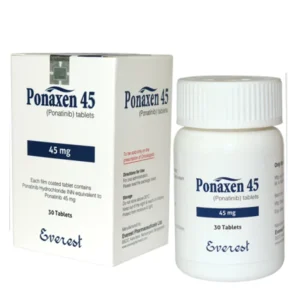
Ponaxen 45 mg (Ponatinib) 30 Tablets for CML & Ph+ALL
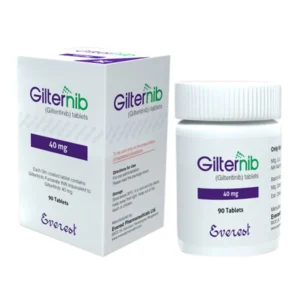
Request PriceGilternib 40 mg Tablet (Gilteritinib) | FLT3 Mutation Inhibitor
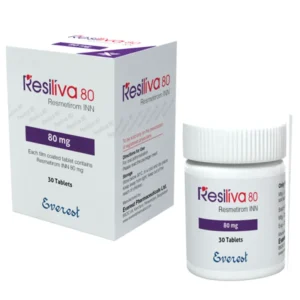
Request PriceResiliva 80 mg Tablet (Resmetirom)| Global Acces Named Patient Guide to Generic Rezdiffra
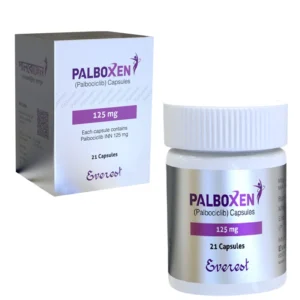
Request PricePalboxen 125 mg (Palbociclib) 21 Capsule: How to Order & Safety Guide
Request Price