Prescription required. We facilitate access to medicines already prescribed by your treating physician. We do not provide medical advice or diagnoses.


Managing Osimertinib Side Effects: A Guide to Osimert Safety

Osimertinib, widely known by its brand name Tagrisso, represents a major advancement in oncology. It is a highly specialized pill. Doctors prescribe it for specific types of non-small cell lung cancer.
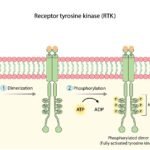
Specifically, it targets tumors with certain genetic mutations. These are known as epidermal growth factor receptor mutations. The drug blocks the signals that tell cancer cells to multiply.
Understanding potential osimertinib side effects is vital before starting your first dose. Knowing these risks helps you prepare for changes. It ensures you maintain your treatment schedule safely.
Patient adherence is highly connected to successful cancer treatment outcomes. Recognizing early symptoms allows for rapid medical intervention. Being fully informed transforms you into an active partner in your care.

2. Understanding the Osimert Osimertinib Safety Profile
Targeted therapies work differently than traditional, systemic chemotherapy treatments. Chemotherapy attacks all rapidly dividing cells throughout the human body. This broad approach causes widespread cellular damage.
In contrast, targeted therapies focus primarily on specific cancer proteins. Because of this focus, healthy tissue receives less damage. Still, healthy cells can be affected by the medication.
Consequently, this drug has a distinct Osimert osimertinib safety profile. Medical teams evaluate this profile through global clinical trials. Your oncology team will monitor your health closely using standard protocols.
Regular laboratory visits and routine imaging scans are standard care steps. These checks catch subtle internal changes early.
It is important to remember that every patient reacts uniquely. Not everyone experiences every side effect of osimertinib. The severity of these common reactions varies significantly among individuals.
3. Common Digestive and Gastrointestinal Side Effects
Gastrointestinal reactions are among the most frequent issues reported by patients. These symptoms can range from very mild to severe. Proactive management protects your body from dehydration and nutrient loss.
Diarrhea
Diarrhea is a frequent side effect of osimertinib treatment. It occurs because the drug affects the epithelial cells lining your gut. This irritation changes how your intestines absorb liquids.
To manage mild diarrhea, modify your daily diet immediately. Follow the well-known BRAT diet protocol:
- Bananas provide essential potassium and are easy to digest.
- Rice (white) acts as a binding agent in the digestive tract.
- Applesauce delivers gentle nutrients without irritating the stomach.
- Toast (white) provides simple carbohydrates for quick energy.
Avoid greasy foods, dairy products, and highly spiced meals. These items worsen bowel irritation.
Hydration is your top priority when dealing with frequent loose stools. Drink plenty of clear fluids throughout the day. Water, clear broths, and electrolyte solutions are excellent choices.
Avoid drinks containing high amounts of processed sugars. Also avoid caffeinated beverages, as they increase fluid loss.
Your doctor may recommend over-the-counter anti-diarrheal medications. Loperamide is a common choice for these symptoms. Always consult your oncology team before taking any new medication.
Nausea and Appetite Loss
Nausea occurs when the drug mildly irritates your stomach lining. This irritation can suppress your natural desire to eat. Over time, appetite loss can lead to unwanted weight reduction.
Adjusting your eating schedule can relieve these symptoms. Eat five or six small meals daily instead of three large ones. Small portions are much easier for an irritated stomach to process.
Choose bland, room-temperature foods to minimize strong odors. Odors often trigger waves of acute nausea.
Excellent choices for bland foods include:
- Plain oatmeal prepared with water.
- Crackers or dry pretzels.
- Boiled potatoes or plain chicken breast.
- Clear gelatin desserts.
Sit upright for at least thirty minutes after eating. This physical position prevents acid reflux and eases digestion.
If nausea persists, ask your doctor about prescription anti-nausea drugs. Highly effective antiemetic medications are readily available today. Do not wait until you cannot keep fluids down.
4. Dermatological Side Effects: Skin and Nail Changes
The protein targeted by this drug is also present in healthy skin cells. Therefore, skin and nail changes are common during therapy. These issues require consistent, daily attention.
Skin Rashes and Dryness
Many patients develop an inflammatory skin rash during treatment. This reaction often looks exactly like standard teenage acne. However, the biological mechanism is completely different.
Standard acne is caused by bacteria and excess skin oil. The targeted therapy rash is purely inflammatory. Because of this, typical acne drying creams will worsen the condition.
Develop a gentle, daily skincare routine to protect your skin barrier:
- Wash your face and body with lukewarm water only.
- Use mild, soap-free cleansers designed for sensitive skin.
- Avoid rough washcloths, loofahs, or aggressive scrubbing motions.
- Pat your skin dry with a soft towel instead of rubbing.
Apply a thick, fragrance-free emollient immediately after bathing. Ointments and heavy creams work better than thin lotions. Look for products containing ceramides to lock in moisture.
Protect your skin from ultraviolet sun rays daily. Wear broad-spectrum sunscreen with an SPF of 30 or higher. Reapply it every two hours when spending time outdoors. Wear protective clothing, including wide-brimmed hats and long sleeves.
Nail Bed Inflammation (Paronychia)
Nail bed changes can develop after several weeks of therapy. This painful condition is medically termed paronychia.
The skin around your fingernails or toenails may become red. You might notice swelling, tenderness, and extreme sensitivity. In severe cases, the nails may split or lift entirely.
Proper nail care prevents secondary bacterial infections:
- Keep your fingernails and toenails trimmed straight across.
- Avoid cutting your cuticles or biting your nails.
- Wear loose-fitting, comfortable shoes that do not press on your toes.
- Wear protective rubber gloves when washing dishes or cleaning.
Soak affected nails in warm water for fifteen minutes daily. This simple practice reduces swelling and relieves throbbing pain.
Apply petroleum jelly around the nail cuticles to maintain hydration. If you notice pus or severe redness, contact your clinic. You may need a topical antibiotic cream.
5. Fatigue and Energy Management
Fatigue is a complex symptom during cancer therapy. It feels different than normal tiredness from lack of sleep. This exhaustion does not disappear after a single night of rest.
It is helpful to differentiate between cancer-related fatigue and drug-induced fatigue. Cancer-related fatigue stems from the body fighting the tumor. Drug-induced fatigue is a direct side effects osimertinib causes.
Creating a daily energy-conservation plan helps you stay active:
- Prioritize your most important tasks for early in the day.
- Delegate household chores to family members, friends, or neighbors.
- Take short, planned rests of twenty minutes throughout the day.
- Avoid long daytime naps, which disrupt nighttime sleep cycles.
Incorporate light, doctor-approved exercise into your weekly schedule. Short walks can actually decrease your overall feelings of fatigue.
Listen closely to your body at all times. Do not push through extreme exhaustion, as this delays recovery.

6. Blood-Related Concerns: Osimertinib Thrombocytopenia and Anemia
This targeted medication can affect how your bone marrow produces blood cells. While less common than skin issues, these changes require close monitoring.
One notable blood-related condition is osimertinib thrombocytopenia. This medical term describes a significant drop in blood platelets. Platelets are cell fragments that allow your blood to clot properly.
Your oncology team monitors your platelet levels regularly. They use a standard laboratory test called a complete blood count.
You must watch for physical signs of low platelets at home:
- Developing large, unexplained bruises from minor bumps.
- Noticing clusters of tiny, flat red spots on your skin.
- Experiencing frequent, prolonged nosebleeds that are hard to stop.
- Noticing bleeding gums after brushing your teeth normally.
- Finding blood in your urine or stool samples.
Take extra precautions to prevent accidental injuries at home. Use a soft-bristled toothbrush to protect your gums. Shave with an electric razor instead of a sharp blade.
Always wear sturdy shoes indoors to protect your feet. Avoid high-risk physical activities that could cause falls or cuts.
Anemia is another potential blood concern to watch for. This condition occurs when your red blood cell count drops. Red blood cells carry oxygen to your organs and muscles.
Symptoms of anemia include pale skin, dizziness, and shortness of breath. You may also feel an unusually rapid heart rate. Report these symptoms to your care team promptly.
7. Rare but Serious Complications
A small percentage of patients may experience rare, severe side effects. Knowing these risks allows you to act quickly if they happen.
Interstitial Lung Disease (ILD) and Pneumonitis
Interstitial lung disease is a rare but life-threatening complication. It involves severe inflammation of the delicate lung tissue.
Watch closely for new or worsening respiratory symptoms. These include sudden shortness of breath, a dry cough, or fever.
If your doctor suspects ILD, you must stop the drug immediately. They will perform urgent chest scans to confirm the diagnosis. Steroid medications are often required to treat this specific inflammation.
Cardiac Complications
This medication can alter the electrical activity of your heart. It can cause a condition known as QTc prolongation. This lengthening of the heart’s electrical cycle can trigger irregular heartbeats.
Additionally, the drug can rarely weaken the heart muscle itself. This condition can lead to congestive heart failure over time.
Your doctor will perform routine electrocardiograms before and during treatment. They will also check your heart’s pumping strength using echocardiograms.
Report any sudden heart palpitations, chest pain, or unexplained dizziness. Swelling in your ankles or rapid weight gain also requires evaluation.
8. Managing Tolerability and Quality of Life
A holistic approach is key to managing your cancer therapy. Proactively addressing symptoms improves your tagrisso osimertinib tolerability quality of life. You do not have to suffer in silence.
Open communication with your family and care team is essential. The psychological impact of chronic physical symptoms can be heavy. Anxiety and depression can worsen physical pain and fatigue.
Rely heavily on your designated caregivers for daily support. Let them help with meals, transportation, and pharmacy pickups.
Consider joining a local or online patient support group. Speaking with others facing the same challenges provides deep comfort.
9. When to Call Your Care Team
Do not hesitate to call your oncology clinic between appointments. They prefer to hear about symptoms before they become severe.
Contact your healthcare provider immediately if you experience:
- A fever of 38°C (100.4°F) or higher.
- Sudden, severe diarrhea exceeding four episodes in one day.
- Inability to keep fluids down for over twenty-four hours.
- Unusual, uncontrolled bleeding or rapid bruising.
- New or worsening shortness of breath and coughing.
- Dizziness, fainting spells, or severe heart palpitations.
- Rapid swelling in your legs, feet, or ankles.
Keep your oncology clinic’s emergency phone number easily accessible. Place it on your refrigerator or save it in your phone contacts.
10. Conclusion
Navigating advanced cancer treatment requires resilience, patience, and careful planning. Fortunately, many osimertinib side effects are highly manageable with proactive care.
Work closely with your medical team to protect your health. Never alter your prescribed drug dose without their explicit guidance. With prompt management, you can successfully balance powerful cancer treatment and a good quality of life.
References
- Macmillan Cancer Support: Osimertinib (Tagrisso®) – Side Effects and Patient Guidance
- Memorial Sloan Kettering Cancer Center: Osimertinib – Patient Education and Medication Information
- AstraZeneca (Tagrisso Official Resources): A Guide to Your TAGRISSO Treatment Plan
- OncoLink (University of Pennsylvania): Osimertinib (Tagrisso®) – Comprehensive Management Guide
- Cancer Care Ontario: Osimertinib Drug Formulary and Information Sheet
- Mayo Clinic: Osimertinib (oral route) – Side Effects and Drug Description
- Patsnap Synapse: Clinical Overview of Osimertinib Mesylate Side Effects
Medical Disclaimer
The information provided in this article is for educational purposes only and does not constitute professional medical advice, diagnosis, or treatment.
This content is not intended to be a substitute for the guidance of a qualified healthcare professional. Always seek the advice of your oncologist, physician, or other qualified health provider with any questions you may have regarding a medical condition or your specific treatment plan.
Never disregard professional medical advice or delay seeking it because of something you have read here. If you are experiencing a medical emergency, call your doctor or local emergency services immediately. Reliance on any information provided in this article is solely at your own risk.