Prescription required. We facilitate access to medicines already prescribed by your treating physician. We do not provide medical advice or diagnoses.


Progression After Osimertinib: Understanding Resistance and Your Next Treatment Options

Life After Tagrisso Does Not Follow One Universal Path
Medically reviewed by: [Salma Mamdouh Elreedy, clinical oncologist]
Last reviewed: [05-07-2026]
Next review due: [05-01-2027]
Geographic note: Drug approvals mentioned in this article primarily refer to the United States. Treatment availability and recommended pathways may differ by country.
Learning that cancer has started growing again after a period of stability can be frightening. For people living with EGFR-mutated non-small cell lung cancer, or NSCLC, progression after osimertinib often brings an urgent question:
What happens next?
Progression is serious, but it does not mean that every treatment option has been exhausted. It is usually the point at which the oncology team takes a fresh look at the cancer—where it is growing, how quickly it is changing, and whether it has developed new biological features that could influence treatment.
Some people have progression in only one or two areas while the rest of the cancer remains controlled. Others have growth in several locations or in the brain. Repeat molecular testing may also identify a resistance mechanism that helps guide the next treatment or points toward a clinical trial.
The next step depends on the individual. Understanding what has changed is often the first step toward deciding what comes next.
Important: Do not stop taking osimertinib unless your oncology team tells you to. In some situations, it may be continued temporarily or as part of a broader treatment plan.
Key Takeaways
After progression on osimertinib, the oncology team may:
- Determine whether progression is limited, widespread, or mainly in the brain.
- Recommend a tissue biopsy, liquid biopsy, or both.
- Look for resistance mechanisms such as EGFR C797S or MET amplification.
- Consider local treatment for a small number of progressing areas.
- Discuss chemotherapy-based treatment, antibody therapies, antibody-drug conjugates, or clinical trials.
- Review how your previous treatments, symptoms, health, and personal priorities affect the next decision.
What Does Progression After Osimertinib Mean?
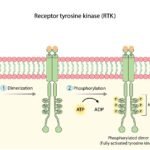
Osimertinib, sold under the brand name Tagrisso, is an EGFR tyrosine kinase inhibitor, or TKI. It blocks signals from certain mutated forms of the EGFR protein that encourage cancer cells to grow.
For many people, osimertinib can control EGFR-mutated NSCLC for a meaningful period. Over time, however, some cancer cells may change or activate alternative growth signals. When scans, symptoms, or other findings show that the cancer is growing again, doctors may describe this as disease progression or acquired resistance.
Progression does not always happen in the same way.

Limited or Localized Progression
Sometimes only one or a small number of tumors begin growing while the remaining cancer stays controlled. This may be called limited progression or oligoprogression.
For selected patients, the care team may discuss treating the growing area with a local treatment, such as radiation, surgery, or another procedure. Doctors may also consider whether osimertinib is still helping to control cancer elsewhere in the body.
This is an individualized decision. Continuing osimertinib after limited progression is not automatically appropriate for every patient.
Widespread Progression
When several areas are growing, the cancer may no longer be adequately controlled by the current systemic treatment.
The oncology team may then discuss a broader treatment change, which could include:
- Platinum-based chemotherapy
- An antibody-based treatment
- An antibody-drug conjugate in a later treatment setting
- A biomarker-directed approach
- A clinical trial
The choice depends on the original EGFR mutation, previous treatments, new test results, symptoms, and overall health.
Progression in the Brain or Central Nervous System
EGFR-mutated NSCLC can spread to the brain and other parts of the central nervous system. Osimertinib is able to reach the brain more effectively than several earlier EGFR inhibitors, but brain progression can still occur.
Treatment planning may depend on:
- The number, size, and location of the lesions
- Whether symptoms are present
- Whether cancer is also progressing elsewhere
- Previous brain-directed treatment
- Whether osimertinib is still controlling cancer outside the brain
Options may include focused radiation, surgery in selected cases, a change in systemic therapy, or a combination of approaches.
Seek urgent medical attention for new neurological symptoms such as seizures, sudden weakness, major vision changes, speech problems, or severe confusion.
Why Can Cancer Become Resistant to Osimertinib?
Resistance is not caused by something the patient did or failed to do. It happens because cancer cells can change over time.
A useful way to picture this is to imagine that osimertinib closes an important road cancer cells use to grow. Most cells may be stopped by that roadblock, but a smaller group may eventually change the road itself or find another route.
Osimertinib resistance mechanisms generally fall into several broad categories.
Changes Involving EGFR
“On-target” resistance means that EGFR itself has changed in a way that interferes with the medication.
EGFR C797S
Osimertinib works partly by attaching to a specific location on the EGFR protein. A resistance mutation called C797S changes that attachment point, which may reduce the drug’s ability to block EGFR signaling.
C797S is one of the better-known osimertinib resistance mutations, but it is not found in every person whose cancer progresses.
Its treatment implications may also depend on:
- Which other EGFR mutations are present
- Whether those mutations occur in the same cancer-cell population
- Which treatments the patient has previously received
Next-generation EGFR inhibitors designed to address C797S are being studied, but there is currently no single standard treatment for every cancer with this mutation.
Cancer Activates Another Growth Pathway
In some cases, the original EGFR signal remains blocked, but the cancer activates a different pathway. This is sometimes called bypass resistance.
MET Amplification
MET amplification means that cancer cells have gained additional copies of the MET gene. This can create a strong alternative growth signal, allowing the cells to continue growing even while EGFR is being blocked.
MET amplification is a recognized mechanism of resistance to osimertinib and one reason repeat testing may be helpful.
EGFR-and-MET-directed treatment combinations are being studied. However, finding MET amplification does not automatically mean that every MET-targeted drug is approved, effective, or appropriate in this setting.
Other Molecular Changes
Resistance may also involve:
- HER2 amplification or mutation
- BRAF or KRAS pathway changes
- Gene fusions involving ALK, RET, or other genes
- Changes in the RAS–MAPK or PI3K pathways
- Additional alterations within EGFR
More than one resistance mechanism may be present at the same time.
Histologic Transformation
Occasionally, the cancer changes not only at the genetic level but also in the way its cells look and behave.
For example, an adenocarcinoma may develop features of small cell lung cancer or another histologic pattern. This is called histologic transformation.
A liquid biopsy cannot directly show this type of change. A tissue biopsy is generally needed so that a pathologist can examine the actual cancer cells.
Why Doctors May Recommend Another Biopsy
The cancer found at progression may not be biologically identical to the cancer found at the original diagnosis.
Repeat testing is intended to study the cancer as it exists now. It does not mean that the original biopsy or diagnosis was incorrect.
Doctors may recommend:
- A tissue biopsy
- A liquid biopsy
- Both tests
The safest and most useful approach depends on the location of the cancer, the urgency of the situation, and whether enough tissue can be collected.
Tissue Re-Biopsy
A tissue biopsy removes cells from a tumor or another involved area. Depending on the location, the sample may be collected with a needle, during bronchoscopy, or through another procedure.
A tissue sample may help the team:
- Confirm the current cancer type
- Detect histologic transformation
- Perform genomic or molecular testing
- Examine proteins expressed by the cancer cells
- Compare the new findings with the original diagnosis
A tissue biopsy is not always possible. The tumor may be difficult to reach, the procedure may carry too much risk, or the sample may be too small for every desired test.
Liquid Biopsy
A liquid biopsy usually uses a blood sample to look for circulating tumor DNA, often called ctDNA. This is genetic material released into the bloodstream by cancer cells.
Potential advantages include:
- It is less invasive than most tissue biopsies.
- Results may be available relatively quickly.
- A single test can examine many genes.
- The blood may contain DNA released from cancer in several locations.
However, liquid biopsy has limitations.
Some tumors release very little detectable DNA into the blood. A negative result therefore does not prove that no resistance mechanism exists.
A blood test also cannot show whether the cancer’s histologic type has changed.
For these reasons, tissue and liquid biopsy may be considered complementary rather than interchangeable.
Questions to Ask About Repeat Testing
Consider asking your oncology team:
- Is a tissue biopsy safe and practical in my case?
- Would a liquid biopsy also be useful?
- Will the testing include a broad next-generation sequencing panel?
- Could the results change the recommended treatment?
- Are you looking for histologic transformation as well as genetic changes?
- Is there enough time to wait for the results before starting treatment?
- Should my case be reviewed by a molecular tumor board?
Treatment After Osimertinib Resistance
There is no universal treatment sequence after osimertinib resistance.
The most appropriate option depends on:
- Whether progression is limited or widespread
- Where the cancer is growing
- The presence of symptoms
- Previous treatments
- Molecular and pathology results
- Overall health
- Personal treatment goals
The following are possible treatment pathways, not a ranking or personalized recommendation.
Local Treatment for Limited Progression
When progression is restricted to one or a few areas, local treatment may sometimes be considered.
Possible approaches include:
- Stereotactic body radiation therapy
- Stereotactic radiosurgery for selected brain lesions
- Surgery in carefully selected cases
- Thermal ablation or another image-guided procedure
The goal is to control the areas that are escaping treatment while determining whether the current systemic therapy is still controlling the rest of the disease.
Whether osimertinib is continued, paused, or replaced depends on the individual situation.
Platinum-Based Chemotherapy
Platinum-based chemotherapy remains an important treatment option after progression on an EGFR TKI.
For people with non-squamous NSCLC, treatment commonly includes:
- Carboplatin or cisplatin
- Pemetrexed
The exact regimen depends on previous treatment, kidney function, general health, side-effect risks, and the cancer’s characteristics.
Chemotherapy is sometimes described as a “last resort,” but that language can be misleading. It remains a central, evidence-based part of treatment for advanced EGFR-mutated lung cancer.
Amivantamab With Carboplatin and Pemetrexed
In September 2024, the US Food and Drug Administration approved amivantamab with carboplatin and pemetrexed for adults with locally advanced or metastatic NSCLC containing an EGFR exon 19 deletion or exon 21 L858R mutation whose disease had progressed on or after an EGFR TKI.
The approval was based on the MARIPOSA-2 study, which included patients whose disease had progressed on or after osimertinib.
Amivantamab is a bispecific antibody designed to target both EGFR and MET.
It is not suitable for every patient. The oncology team should discuss its potential benefits, side effects, treatment schedule, blood-clot risk, skin effects, and monitoring requirements.
A subcutaneous formulation of amivantamab and hyaluronidase was also approved in the United States in December 2025 across the indications already approved for intravenous amivantamab. Availability may vary.
Biomarker-Matched Treatment Strategies
If repeat testing identifies a resistance mechanism, the result may help identify a clinical trial or, in some situations, an approved treatment for a specific biomarker.
Strategies under investigation include:
- EGFR-and-MET combinations for MET-driven resistance
- Next-generation EGFR inhibitors for C797S
- Treatments targeting acquired gene fusions
- Combinations designed to block several growth pathways at once
It is important to distinguish between a scientifically promising strategy and an established treatment.
A molecular finding does not automatically mean that a matching drug is proven, approved, or appropriate for that patient.
Antibody-Drug Conjugates
An antibody-drug conjugate, or ADC, combines an antibody with a cancer-killing medicine.
The antibody is designed to recognize a target on the cancer cell and help deliver the attached treatment toward that cell. A simple analogy is a delivery vehicle carrying a treatment payload.
ADCs can also affect healthy tissue and may cause significant side effects.
Datopotamab Deruxtecan
In June 2025, the FDA granted accelerated approval to datopotamab deruxtecan for adults with locally advanced or metastatic EGFR-mutated NSCLC who had previously received both EGFR-directed therapy and platinum-based chemotherapy.
This generally places it in a later treatment setting rather than automatically making it the first treatment after progression on osimertinib.
Because the approval was accelerated, continued approval may depend on confirmation of clinical benefit in additional studies.
Important risks can include:
- Interstitial lung disease or pneumonitis
- Eye-related reactions
- Mouth inflammation
- Pregnancy-related risks
Patients should discuss the full safety information and monitoring plan with their oncology team.
Clinical Trials
A clinical trial is not simply a last option.
In a rapidly changing field such as EGFR-mutated NSCLC, a relevant trial may offer access to a treatment designed around the cancer’s resistance mechanism.
Clinical trials may study:
- Fourth-generation EGFR inhibitors
- EGFR-and-MET combinations
- New antibody-drug conjugates
- Bispecific or multispecific antibodies
- Treatments selected using repeat genomic testing
- New approaches for brain progression
- Osimertinib combined with another therapy
Trial eligibility can be very specific. It may depend on:
- The exact mutation
- Previous treatments
- Organ function
- Measurable disease
- Whether a new treatment has already been started
For this reason, it may be helpful to discuss clinical trials before beginning the next treatment.
Where Osimertinib Fits in the Treatment Sequence
The role of first-line and second-line osimertinib has changed over time.
Osimertinib as a First-Line Treatment
Osimertinib became a widely used first-line treatment for metastatic NSCLC with common sensitizing EGFR mutations, particularly:
- EGFR exon 19 deletions
- EGFR exon 21 L858R mutations
Its role is supported by its activity throughout the body and its ability to reach the central nervous system.
The first-line treatment landscape has since expanded.
In February 2024, the FDA approved osimertinib combined with platinum-based chemotherapy for locally advanced or metastatic NSCLC with an EGFR exon 19 deletion or exon 21 L858R mutation.
In August 2024, the FDA approved amivantamab combined with lazertinib as another first-line option for these mutations.
People beginning treatment today may therefore receive different first-line regimens depending on their health, disease characteristics, side-effect priorities, treatment goals, and access.
Osimertinib as a Later-Line Treatment
Before osimertinib became widely used in the first-line setting, it was commonly given after an earlier-generation EGFR inhibitor when testing identified the acquired EGFR T790M resistance mutation.
Some long-term survivors may therefore have a treatment history that includes:
- An earlier EGFR inhibitor
- Development of T790M
- Second-line osimertinib
- A later resistance mechanism
Why the Line of Treatment Does Not Tell the Whole Story
Two people receiving “second-line treatment” may have very different medical histories.
Treatment planning depends on more than the number of previous therapies. The oncology team may consider:
- The original EGFR mutation
- Whether osimertinib was used alone or with chemotherapy
- Every previous systemic treatment
- Previous radiation or surgery
- The location and speed of progression
- Brain involvement
- Repeat tissue and liquid-biopsy results
- Existing medical conditions
- Treatment goals and quality-of-life priorities
How the Oncology Team Chooses the Next Step
Treatment decisions after progression are rarely based on a single result.
Pattern of Progression
The team will assess whether progression is:
- Limited or widespread
- Mainly inside or outside the brain
- Slow-growing or rapidly changing
- Causing symptoms or organ problems
Molecular and Pathology Results
Repeat testing may reveal:
- A new mutation
- Gene amplification
- A gene fusion
- Histologic transformation
- No clearly targetable resistance mechanism
Finding no new target is still useful information. It may help rule out inappropriate treatments and support a more suitable standard therapy or clinical-trial search.
Previous Treatments
Someone who has never received platinum chemotherapy may face different options from someone who has already received it.
Previous exposure to amivantamab, an ADC, immunotherapy, radiation, or another targeted treatment can also affect the next decision.
Overall Health and Personal Priorities
The care team may consider:
- Heart, lung, liver, and kidney function
- Blood counts
- Existing side effects
- Other medications
- Ability to attend frequent appointments
- Work, school, caregiving, or transportation responsibilities
- Fertility or pregnancy considerations
- The balance between treatment intensity and quality of life
These preferences are not secondary concerns. They are part of informed treatment planning.
The Role of Multidisciplinary Care
Progression after osimertinib may involve several specialists, including:
- A thoracic medical oncologist
- A radiation oncologist
- A pulmonologist
- A thoracic surgeon or neurosurgeon
- An interventional radiologist
- A pathologist
- A molecular tumor board
- An oncology pharmacist
- An oncology nurse
- A palliative-care specialist
- A clinical-trial navigator
Palliative care can be introduced alongside active cancer treatment. Its purpose is to help manage symptoms, stress, side effects, and quality-of-life concerns. It does not mean that cancer treatment has ended.
The Oncology Nurse’s Role
Oncology nurses often help patients understand and manage this complicated transition.
They may:
- Explain why another biopsy has been ordered
- Review treatment schedules
- Reinforce when and how to report symptoms
- Help patients prepare questions
- Monitor for side effects
- Coordinate testing and referrals
- Identify financial, emotional, transportation, or caregiving needs
- Connect families with support services
Patients who feel overwhelmed can ask the oncology nurse to write down or repeat the plan.
Preparing for the Next Oncology Appointment
A progression appointment can involve a large amount of information. Bringing a trusted person, taking notes, or asking permission to record the discussion may help.
Consider bringing:
- A copy of the latest imaging report
- A list of previous cancer treatments and dates
- The original molecular-testing report
- Results from later tissue or liquid biopsies
- A current list of medications and supplements
- Notes about new or changing symptoms
- A written list of questions
Questions to Ask
- Is the progression limited or widespread?
- Is the cancer growing in the brain?
- Could any area be treated locally?
- Should I continue osimertinib while testing is completed?
- Do you recommend a tissue biopsy, liquid biopsy, or both?
- Are you testing for C797S, MET amplification, and histologic transformation?
- Which treatments are approved for my situation?
- Which options are available only through a clinical trial?
- What is the goal of each treatment?
- What side effects and monitoring should I expect?
- Should I seek a second opinion from a thoracic oncology center?
- Should we investigate trials before beginning the next treatment?
Frequently Asked Questions
Does progression mean osimertinib has stopped working everywhere?
Not necessarily.
One or a few tumors may begin growing while other areas remain controlled. This is why doctors review the pattern of progression rather than relying only on the word “progression.”
Should osimertinib be stopped immediately?
Not always.
The decision depends on symptoms, the location and speed of progression, the next planned treatment, and whether osimertinib may still be controlling cancer elsewhere.
Do not stop or change the medication without guidance from the prescribing oncology team.
Can a liquid biopsy find osimertinib resistance mutations?
It can identify many resistance-related genomic alterations, including some EGFR mutations and changes involving other genes.
However, liquid biopsy may miss alterations when too little tumor DNA is circulating in the blood. It also cannot directly diagnose histologic transformation.
A negative result may therefore be followed by a tissue biopsy when it is safe and clinically useful.
Is C797S treatable?
C797S may influence treatment planning and clinical-trial eligibility, but there is no universal treatment pathway for every C797S-positive cancer.
Its significance depends on the full molecular context. Several next-generation EGFR inhibitors are being studied, but investigational treatments should not be presented as established standards.
Is chemotherapy the only treatment after osimertinib resistance?
No.
Possible approaches may include:
- Local treatment for limited progression
- Platinum-based chemotherapy
- Amivantamab with carboplatin and pemetrexed for eligible patients
- A later-line antibody-drug conjugate
- A biomarker-directed clinical trial
- Another study evaluating a targeted treatment or antibody combination
The sequence depends heavily on previous treatment.
Is Immunotherapy an Option?
Immunotherapy may be considered in some treatment plans, particularly as part of a combination regimen.
However, EGFR-mutated NSCLC can respond differently from lung cancers without a targetable driver mutation. A high PD-L1 result alone does not necessarily mean that single-agent immunotherapy is the best next treatment.
The full treatment history, drug sequence, side-effect risks, and molecular findings should be reviewed with a thoracic oncologist.
When Should a Clinical Trial Be Discussed?
Ideally, clinical trials should be considered before the next treatment begins.
Some studies exclude people who have already received a certain therapy, while others require a specific biopsy result or resistance mutation. Starting treatment first may therefore affect eligibility.
Moving Forward After Progression
Progression after osimertinib can feel like a door has closed. In many cases, it is also the beginning of another stage of testing and decision-making.
The oncology team may need to determine:
- Where the cancer is growing
- Whether progression is limited or widespread
- Whether the cancer has changed genetically or histologically
- Whether local treatment may help
- Which approved systemic options remain available
- Whether a clinical trial matches the patient’s situation
The treatment landscape for EGFR-mutated NSCLC now includes chemotherapy, EGFR-and-MET-directed antibodies, combination regimens, antibody-drug conjugates, brain-directed treatment, and a growing range of clinical trials.
Research progress cannot guarantee that a particular treatment will work for one person. It does mean that progression does not automatically signal the end of active treatment choices.
Three useful questions can help begin the next discussion:
What exactly changed on my scans?
Would another biopsy change the treatment plan?
Should an EGFR-focused clinical trial be considered before I begin my next treatment?
Medical Disclaimer
This article provides general educational information and does not replace medical advice, diagnosis, or treatment from a qualified healthcare professional.
Treatment decisions depend on an individual’s cancer type, molecular results, previous therapies, symptoms, health status, location, and personal goals.
Do not begin, stop, or change a cancer medication without guidance from the prescribing oncology team.
References and Resources
Regulatory and Prescribing Information
- U.S. Food and Drug Administration. “FDA Approves Osimertinib With Chemotherapy for EGFR-Mutated Non-Small Cell Lung Cancer.” February 16, 2024.
Read the FDA approval announcement - U.S. Food and Drug Administration. “FDA Approves Lazertinib With Amivantamab-vmjw for Non-Small Cell Lung Cancer.” August 19, 2024.
Read the FDA approval announcement - U.S. Food and Drug Administration. “FDA Approves Amivantamab-vmjw With Carboplatin and Pemetrexed for Non-Small Cell Lung Cancer With EGFR Exon 19 Deletions or L858R Mutations.” September 19, 2024.
Read the FDA approval announcement - U.S. Food and Drug Administration. “FDA Grants Accelerated Approval to Datopotamab Deruxtecan-dlnk for EGFR-Mutated Non-Small Cell Lung Cancer.” June 23, 2025.
Read the FDA accelerated-approval announcement - U.S. Food and Drug Administration. “FDA Approves Amivantamab and Hyaluronidase-lpuj for Subcutaneous Injection.” December 17, 2025.
Read the FDA approval announcement - U.S. Food and Drug Administration. Tagrisso—Osimertinib Prescribing Information.
View the FDA prescribing information PDF - U.S. Food and Drug Administration. Rybrevant—Amivantamab-vmjw Prescribing Information.
View the FDA prescribing information PDF - U.S. Food and Drug Administration. Datroway—Datopotamab Deruxtecan-dlnk Prescribing Information.
View the FDA prescribing information PDF
Treatment and Clinical-Trial Evidence
- Planchard D, Jänne PA, Cheng Y, et al. “Osimertinib With or Without Chemotherapy in EGFR-Mutated Advanced NSCLC.” The New England Journal of Medicine. 2023.
Read the FLAURA2 trial publication - Passaro A, Wang J, Wang Y, et al. “Amivantamab Plus Chemotherapy With and Without Lazertinib in EGFR-Mutant Advanced NSCLC After Disease Progression on Osimertinib: Primary Results From the Phase III MARIPOSA-2 Study.” Annals of Oncology. 2024.
View the MARIPOSA-2 study on PubMed - Passaro A, Wang J, Wang Y, et al. “Plain-Language Summary of the MARIPOSA-2 Study.”
Read the patient-friendly summary through PubMed Central - Yang JCH, Cho BC, Kim DW, et al. “Overall Survival With Amivantamab–Lazertinib in EGFR-Mutated Advanced NSCLC.” 2025.
View the study on PubMed
Osimertinib Resistance Mechanisms
- Chmielecki J, Gray JE, Cheng Y, et al. “Candidate Mechanisms of Acquired Resistance to First-Line Osimertinib in EGFR-Mutated Advanced Non-Small Cell Lung Cancer.” Nature Communications. 2023.
Read the full open-access study - Leonetti A, Sharma S, Minari R, et al. “Resistance to Osimertinib in Advanced EGFR-Mutated NSCLC: A Prospective Study of Molecular Genotyping on Tissue and Liquid Biopsies.”
View the study on PubMed - Liao YY, et al. “Optimizing Osimertinib for NSCLC: Targeting Resistance and Exploring Combination Strategies.” 2025.
Read the full article through PubMed Central - Gomatou G, Tzilas V, Kotteas E, et al. “Osimertinib Resistance: Molecular Mechanisms and Emerging Treatment Options.” 2023.
Read the full review through PubMed Central - Angelopoulos PA, et al. “Management of MET-Driven Resistance to Osimertinib in EGFR-Mutated Non-Small Cell Lung Cancer.” 2025.
Read the full review through PubMed Central
Tissue and Liquid Biopsy
- Ntzifa A, et al. “Liquid Biopsy for the Management of NSCLC Patients Under Osimertinib Treatment.” Critical Reviews in Clinical Laboratory Sciences. 2024.
View the review on PubMed - Lin YT, et al. “Tissue or Liquid Rebiopsy? A Prospective Study for Patients With EGFR-Mutated NSCLC After EGFR-TKI Resistance.” 2023.
Read the full study through PubMed Central - Gray JE, et al. “Pan-Tumor Analytical Validation and Osimertinib Clinical Validation of a Next-Generation Sequencing Liquid-Biopsy Assay.” 2024.
View the study on PubMed
Limited Progression and Local Treatment
- Nguyen KT, et al. “Oligoprogression in Non-Small Cell Lung Cancer: A Narrative Review.” 2022.
Read the full review through PubMed Central - Willmann J, et al. “Stereotactic Body Radiotherapy for Oligoprogression With or Without Systemic-Treatment Switch.” 2024.
Read the full study through PubMed Central
Patient Information and Clinical-Trial Search Tools
- National Cancer Institute. “Non-Small Cell Lung Cancer Treatment—Patient Version.”
Read the NCI patient guide - National Cancer Institute. “Non-Small Cell Lung Cancer Treatment—Health Professional Version.”
Read the NCI professional summary - National Cancer Institute. “Clinical Trials Using Osimertinib.”
Search NCI-supported osimertinib trials - National Cancer Institute. “Treatment Clinical Trials for Non-Small Cell Lung Cancer.”
Search NCI-supported NSCLC treatment trials - ClinicalTrials.gov. “Biomarker-Directed Study in Patients Whose Disease Progressed on First-Line Osimertinib.”
View study NCT03944772 - World Health Organization. “Palliative Care.”
Read the WHO palliative-care fact sheet
Accessed: July 5, 2026
Editorial note: Treatment approvals, product labels, guidelines, and clinical-trial statuses can change. The article and its references should be reviewed regularly by a thoracic oncologist, oncology pharmacist, or another appropriately qualified medical professional.