Prescription required. We facilitate access to medicines already prescribed by your treating physician. We do not provide medical advice or diagnoses.


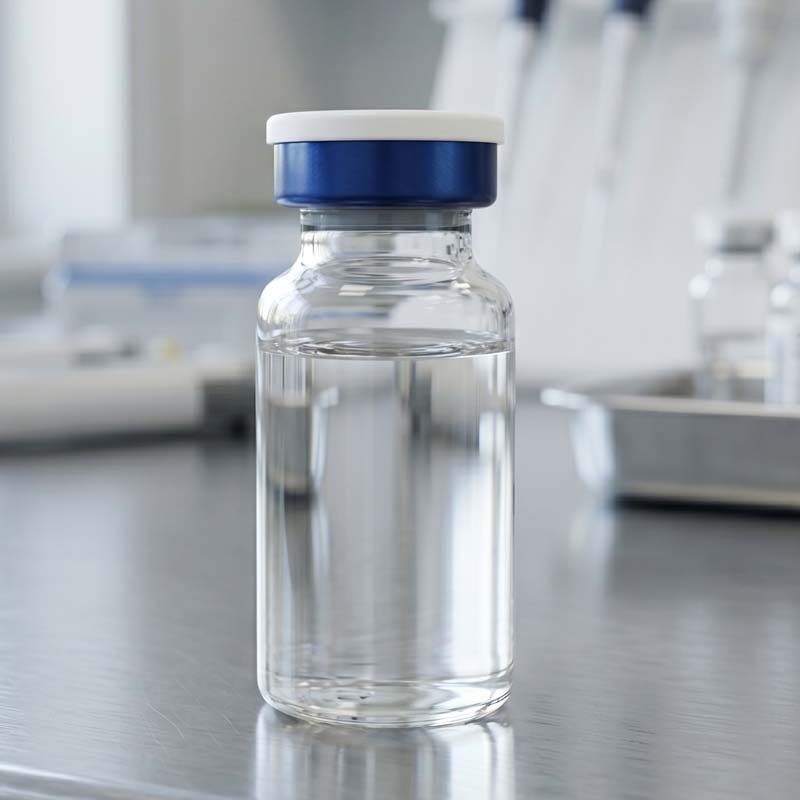
Bemab 100 mg/4 mL and 400 mg/16 mL Concentrate for Infusion
- Used for: Bemab’s own manufacturer-published indication currently covers metastatic colorectal cancer, in combination with intravenous fluorouracil-based chemotherapy as a first- or second-line treatment, and in combination with fluoropyrimidine-irinotecan- or fluoropyrimidine-oxaliplatin-based chemotherapy for second-line treatment in patients who have progressed on a prior bevacizumab-containing regimen
- Availability: In Stock
- Shipping: Express Global Shipping (7-14 days depending on region).
- Requirement: Valid prescription from a licensed healthcare provider required.
✓ WHO GMP Certified
✓ Reviewed By Medical Expert
✓ Batch Examined in Lab
Need Patient Access Support?
Our team provides verified global sourcing assistance to help you navigate international shipping and prescription requirements safely.
Bevacizumab — VEGF Inhibitor (Anti-Angiogenic Therapy) for Multiple Cancer Types
Prescription Only | IV Infusion Administered by a Healthcare Professional Only
Reviewed against FDA prescribing information and EMA SmPC for bevacizumab (Avastin / Avastin)
Manufactured by Eskayef Pharmaceuticals Limited | Last updated: June 2026 | Next scheduled review: June 2027 or upon label change
| ABOUT THE MANUFACTURER: Eskayef Pharmaceuticals Limited is a Bangladesh-based pharmaceutical |
|---|
| company, part of Transcom Group, in operation since 1990. Eskayef’s injectable manufacturing facility holds US FDA approval — the first and only injectable manufacturing site in Bangladesh to receive this accreditation — alongside UK MHRA, EU GMP, TGA Australia, and other international certifications, and the company separately holds US FDA approval for its oral products as well. Eskayef exports medicines to dozens of countries and operates a dedicated oncology division with its own pharmacovigilance program. Source: Eskayef Pharmaceuticals’ official corporate site (skfbd.com) and its oncology division site (skf-oncology.com). |
| A NOTE ON SOURCES: The clinical figures, dosing, and trial results on this page are drawn primarily |
|---|
| from the approved prescribing information for bevacizumab (Avastin), since this is the most complete publicly available clinical dataset for this active ingredient. Bemab’s own manufacturer-listed indication, current as of Eskayef’s published oncology product information, is presented separately in Section 1 and is narrower than the full Avastin label. Where a figure is specific to Bemab rather than confirmed identical across both products, this page says so explicitly. Ask Eskayef Pharmaceuticals or your oncologist to confirm which figures have been separately verified for Bemab specifically. |
| IMPORTANT: Bemab is a prescription-only antineoplastic biologic. It is given only as an intravenous |
|---|
| infusion by a qualified oncology team, never self-administered, and never taken as a tablet or injection at home. Starting, pausing, or stopping this medicine is a decision made by your oncologist, based on your scans, blood tests, and overall health. |
| BOXED WARNING (the FDA’s highest-level safety alert): Bevacizumab can cause serious, sometimes |
|---|
| fatal, gastrointestinal perforation, problems with wound healing after surgery, and severe bleeding. These risks are described in full in Section 6. Read this section before your first infusion. |
“The first thing I tell every patient starting bevacizumab is: this isn’t traditional chemotherapy, and it isn’t a pill you take home. It’s an antibody we drip into your vein that cuts off a tumor’s blood supply. Most people tolerate it well, but the risks we watch for — bleeding, wound problems, blood pressure spikes — are serious enough that we check on you at every single visit, not just occasionally. That’s not a sign something is wrong. That’s how this medicine is supposed to be managed.”
— Illustrative oncology guidance compiled from FDA and EMA prescribing information for bevacizumab. “Reviewed by Dr. Salma Mamdouh Elreedy, MD, board-certified medical oncologist”)
1. What is Bemab?
Bemab is a cancer treatment. Its active ingredient is bevacizumab, a laboratory-made antibody that belongs to a drug class called VEGF inhibitors. Bemab is manufactured by Eskayef Pharmaceuticals Limited, a Bangladesh-based manufacturer operating since 1990, using the same active ingredient as the originator brand, Avastin.
Eskayef’s injectable manufacturing facility, where Bemab is produced, holds US FDA approval, making it the first and only facility in Bangladesh to receive this specific accreditation for injectable products. Eskayef also holds UK MHRA, EU GMP, and other international manufacturing certifications, and operates a dedicated oncology division with its own pharmacovigilance program for monitoring side effects. This is a meaningfully stronger manufacturing trust signal than for many other generic biologics on the market, and it’s worth confirming directly with Eskayef which specific markets and indications are covered by which accreditation, since approval of a manufacturing facility is not the same as approval of every individual product or indication in every country.
Bevacizumab works differently from traditional chemotherapy and differently from a hormone-blocking pill. It’s a large biologic molecule (an antibody), not a small chemical compound, and because of that it can only be given as an intravenous infusion — it cannot be made into a tablet.
A note on “generic” terminology for biologics: Unlike a small-molecule drug, a biologic like bevacizumab cannot be copied atom-for-atom by another manufacturer. When another company markets a version of an approved biologic, it’s typically reviewed by regulators as a biosimilar — a product shown through dedicated clinical and analytical studies to work the same way, with no clinically meaningful differences from the original. This is a different and more rigorous pathway than how a standard small-molecule generic tablet is approved. Before relying on Bemab, ask your pharmacist, oncologist, or Eskayef Pharmaceuticals directly whether Bemab has been reviewed and approved through your country’s biosimilar approval pathway, and ask to see the specific regulatory approval and registration number. This page cannot confirm that status on your behalf — see Section 11 for what to ask and who to ask.
Who is Bemab for?
Bemab’s own manufacturer-published indication currently covers metastatic colorectal cancer, in combination with intravenous fluorouracil-based chemotherapy as a first- or second-line treatment, and in combination with fluoropyrimidine-irinotecan- or fluoropyrimidine-oxaliplatin-based chemotherapy for second-line treatment in patients who have progressed on a prior bevacizumab-containing regimen. This is the indication Eskayef itself lists for Bemab, and it is narrower than the full list of cancers approved for the originator brand, Avastin, in some markets.
The table below shows the broader set of cancers approved for bevacizumab as an active ingredient generally, based on the originator brand’s label. Confirm with your oncologist and with Eskayef directly which of these rows Bemab is specifically registered for in your country, since a manufacturer can hold approval for one indication while a different indication remains unapproved for that specific product.
| Cancer type | Typically combined with | Treatment setting | Confirmed for Bemab specifically? |
|---|---|---|---|
| Metastatic colorectal cancer | Fluoropyrimidine-based chemotherapy (such as FOLFOX or FOLFIRI regimens) | First-line, and a different regimen for second-line after progression | Yes — manufacturer-listed indication |
| Non-squamous non-small cell lung cancer (advanced) | Carboplatin and paclitaxel | First-line treatment | Confirm with Eskayef and your oncologist |
| Recurrent glioblastoma (a type of brain tumor) | Can be used alone in this specific setting | After prior treatment has stopped working | Confirm with Eskayef and your oncologist |
| Metastatic renal cell carcinoma (kidney cancer) | Interferon alfa | First-line treatment | Confirm with Eskayef and your oncologist |
| Persistent, recurrent, or metastatic cervical cancer | Paclitaxel and cisplatin (or paclitaxel and topotecan) | Combined with chemotherapy | Confirm with Eskayef and your oncologist |
| Epithelial ovarian, fallopian tube, or primary peritoneal cancer | Carboplatin and paclitaxel, among other regimens depending on stage | Varies by stage and prior treatment | Confirm with Eskayef and your oncologist |
| Confirm with Eskayef Pharmaceuticals and your oncologist exactly which of these indications |
|---|
| Bemab itself is registered and approved for in your country. Approved indications for a biosimilar or generic biologic can be narrower than the full list approved for the originator brand, and not every approval applies in every country. |
2. How does Bemab work?
Tumors are greedy. As they grow, they quickly outgrow the blood supply they started with, so they release a chemical signal called VEGF (vascular endothelial growth factor) that tells the body, “send new blood vessels here.” Think of VEGF as a tumor calling in a construction crew to build new roads — new blood vessels — so it can keep getting the oxygen and nutrients it needs to keep growing and spreading.
Bevacizumab works by intercepting that signal before it ever reaches its target. It binds to VEGF directly, like an envelope that’s never delivered, so the “construction crew” never gets the call. Without new blood vessels, the tumor’s growth and ability to spread are slowed.
This is why bevacizumab is described as anti-angiogenic (angiogenesis means new blood vessel formation) rather than a classic chemotherapy drug. It doesn’t kill cancer cells directly the way chemotherapy does — it works alongside chemotherapy by limiting the tumor’s blood supply, which is why it’s combined with chemotherapy in most approved uses.
3. How Bemab is given
This is an infusion, not a tablet
Bemab is given only as an intravenous (IV) infusion, through a vein, by a trained healthcare professional in an infusion center, oncology clinic, or hospital outpatient unit. You will never take Bemab home, swallow it, or inject it yourself.
Infusion timing
| Infusion | Typical duration |
|---|---|
| First infusion | Given slowly, typically over about 90 minutes, so your team can watch closely for any reaction |
| Second infusion (if the first was well tolerated) | Often shortened to about 60 minutes |
| Third infusion onward (if well tolerated) | Often shortened further to about 30 minutes |
Your exact infusion time, dose in mg per kg of body weight, and how often you receive it (commonly every 2 or every 3 weeks) depends entirely on which cancer type is being treated and which chemotherapy partner you’re receiving. Your oncology team will confirm your specific schedule — there is no single “standard dose” that applies to every patient.
What happens during and after your infusion
- Your blood pressure will be checked before the infusion starts, since bevacizumab can raise blood pressure.
- Your nursing team will watch for any signs of an infusion reaction — itching, flushing, chest tightness, breathing changes — especially during your first one or two treatments.
- You’ll usually be asked to stay for a period of observation after the infusion finishes, particularly the first time.
- Tell your team immediately about any new pain, bleeding, or unusual symptoms, even ones that seem minor.
If an infusion is delayed
Unlike a daily tablet, you don’t control the timing of an infusion yourself. If a scheduled infusion needs to be delayed — for example, because of low blood counts, an upcoming surgery, uncontrolled blood pressure, or an active infection — your oncology team will decide when it’s safe to resume and will not simply “make up” a missed dose by doubling the next one.
4. Monitoring and tests
Because bevacizumab affects blood vessels and clotting throughout the body, not only inside the tumor, your team will check for problems at every single visit — not just on a fixed weekly or monthly schedule the way some other cancer drugs are monitored.
| When | What is checked | Why |
|---|---|---|
| Before every infusion | Blood pressure | Bevacizumab commonly raises blood pressure, sometimes significantly |
| Before every infusion | Urine protein (dipstick or lab test) | To catch proteinuria (protein leaking into urine) early, a known effect on the kidneys |
| Every visit | Questions about stomach pain, constipation, vomiting | Early gastrointestinal perforation can present this way, and needs urgent assessment |
| Every visit | Questions about unusual bleeding, bruising, blood in stool or urine, coughing up blood | To catch hemorrhage risk early |
| Before any planned surgery | Discussion of timing | Bevacizumab must usually be paused well before and after any surgery — see Section 6 |
| Periodically, per your oncologist’s plan | General blood counts and organ function tests | To monitor your overall tolerance of treatment alongside any chemotherapy partner |
| URGENT: Severe or sudden abdominal pain, vomiting, or constipation should be reported to your |
|---|
| oncology team immediately, even between scheduled visits. This can be an early sign of gastrointestinal perforation, a rare but serious and sometimes fatal complication. Do not wait for your next appointment. |
5. Dose adjustments
Bevacizumab dosing is calculated by your body weight (mg per kg) rather than using a fixed set of dose-reduction steps like some tablet therapies. If side effects occur, your oncologist generally manages them in one of these ways, depending on severity:
| Side effect | What typically happens |
|---|---|
| Mild to moderate hypertension | Treated with blood pressure medicine; infusion can usually continue |
| Severe hypertension or hypertensive crisis | Infusion is paused or stopped until blood pressure is controlled |
| Mild proteinuria | Continue with closer monitoring |
| Moderate proteinuria | Infusion is temporarily paused until it improves |
| Severe proteinuria or nephrotic syndrome | Bemab is permanently stopped |
| Mild infusion reaction | Infusion may be slowed and supportive medicine given |
| Severe infusion reaction | Infusion is stopped immediately |
| Gastrointestinal perforation or wound dehiscence requiring medical treatment | Bemab is permanently stopped |
| Severe bleeding | Bemab is permanently stopped |
Never adjust the timing or decide to skip a dose yourself. Because Bemab is given by infusion, these decisions are made entirely by your oncology team based on your test results, blood pressure readings, and symptoms.
6. Boxed warning: the three risks the FDA highlights most
This section covers the risks placed in bevacizumab’s boxed warning, the FDA’s strongest level of safety alert. Please read this before your first infusion.
Gastrointestinal perforation. A hole can form in the wall of the stomach or intestine. Across clinical studies, this has occurred in roughly 0.3% to 3.2% of patients treated with bevacizumab, and most cases happened within the first 50 days of starting treatment. Warning signs include sudden or severe abdominal pain, constipation, and vomiting. This is treated as a medical emergency, and bevacizumab is permanently stopped if it occurs.
Surgery and wound healing complications. Because bevacizumab limits new blood vessel growth, it can also interfere with normal wound healing. In a controlled clinical study, wound healing complications occurred in 15% of patients who had surgery while on bevacizumab, compared with 4% of patients who didn’t receive it. For this reason, bevacizumab is not started until at least 28 days after major surgery, and only once the surgical wound has fully healed. If you have any planned surgery, including dental procedures, tell your oncology team well in advance so the timing of your infusions can be planned around it safely.
Hemorrhage (bleeding). Bevacizumab increases the risk of bleeding, which falls into two patterns: minor bleeding, most often mild nosebleeds, and rarer but serious or fatal bleeding events, including coughing up blood, bleeding in the digestive tract, or bleeding in the brain. Across clinical studies, severe bleeding (Grade 3 or higher) occurred in about 0.4% to 7% of patients, varying by cancer type. Patients with a specific type of lung cancer called squamous non-small cell lung cancer have a notably higher risk of serious lung bleeding and are generally not treated with bevacizumab. Tell your team immediately about any unusual bleeding, including blood in your stool, urine, vomit, or phlegm.
7. Other side effects
Very common
- High blood pressure (hypertension) — checked before every infusion
- Fatigue and weakness
- Protein in the urine (proteinuria) — usually without symptoms, found on routine testing
- Decreased appetite
- Headache
- Mouth sores
- Diarrhea or constipation
- Nosebleeds, usually mild
Serious side effects — seek immediate medical attention
- Blood clots (arterial thromboembolic events): chest pain, sudden weakness or numbness on one side of the body, slurred speech, or sudden severe headache can signal a clot affecting the heart or brain. This occurred at Grade 3 or higher severity in around 5% of patients across studies, with the highest rates seen in glioblastoma.
- Venous blood clots (deep vein thrombosis, pulmonary embolism): swelling or pain in a leg, or sudden shortness of breath and chest pain.
- Posterior reversible encephalopathy syndrome (PRES): a rare brain condition that can cause headache, seizures, confusion, or vision changes, usually linked to a sudden rise in blood pressure. Bevacizumab is stopped if this occurs.
- Severe infusion reactions: difficulty breathing, swelling of the face or throat, or a sharp drop in blood pressure during the infusion. Your team is trained to treat this immediately.
- Fistula formation: an abnormal connection forming between organs (for example, between the bowel and vagina, or the airway and esophagus). Report any new, unusual symptoms in these areas.
- Necrotizing fasciitis: a rare, serious soft-tissue infection, usually following a wound healing problem or perforation. Needs emergency treatment.
8. Surgery, other medicines, and situations to flag
Bevacizumab isn’t broken down by the liver enzyme system the way many tablet cancer drugs are, so it doesn’t carry the same long list of drug-interaction warnings. Instead, the most important precautions relate to timing around surgery and your bleeding risk.
| Situation | Guidance |
|---|---|
| Any planned surgery, including dental work | Tell your oncology team well in advance. Bemab is not given for at least 28 days before planned surgery and is not restarted until at least 28 days after, and only once the wound has fully healed. |
| Recent serious bleeding or coughing up blood | Bemab should not be started, and may need to be permanently stopped if it occurs during treatment. |
| Blood thinners (anticoagulants) | Discuss with your oncologist — combined use needs closer monitoring given bevacizumab’s own bleeding risk. |
| Other VEGF-pathway or anti-angiogenic drugs | Generally avoided in combination unless specifically directed by your oncologist. |
| Vaccinations | Discuss timing with your oncology team, as with any active cancer treatment. |
Always tell your oncologist and pharmacist about every medicine, supplement, and herbal product you take, including over-the-counter remedies, and update this list at every visit.
9. Special populations
| Situation | Guidance |
|---|---|
| Pregnancy | Bevacizumab can cause serious harm to a developing baby by interfering with normal blood vessel formation. Do not become pregnant while taking this medicine. |
| Contraception — females | Use effective contraception during treatment and for at least 6 months after the last dose. |
| Breastfeeding | Do not breastfeed during treatment and for at least 6 months after the last dose. |
| Fertility | Bevacizumab may cause ovarian failure and loss of fertility in some patients; discuss this with your oncologist before starting if future fertility matters to you. |
| Children and adolescents | Bevacizumab has been studied in some pediatric cancers but did not improve outcomes in certain studied settings, and has been linked to bone growth-plate changes in young animals. Use in children is decided case-by-case by a pediatric oncology specialist. |
| Older adults | Used in older adults, but with closer attention to blood clot and bleeding risk, which can be higher in this age group. |
| Kidney or liver impairment | Discuss with your oncologist; dosing is based on body weight rather than organ function, but overall health is still taken into account. |
10. Clinical evidence
Bevacizumab’s approval across different cancers is supported by multiple Phase 3 clinical trials reviewed by the FDA and the European Medicines Agency. A few headline examples:
| Trial / setting | Comparison | Result |
|---|---|---|
| Metastatic colorectal cancer (pivotal trial) | Bevacizumab plus chemotherapy vs. chemotherapy alone | Median overall survival of 20.3 months vs. 15.6 months |
| Non-squamous NSCLC (first-line) | Bevacizumab plus carboplatin/paclitaxel vs. chemotherapy alone | Improved overall survival with the addition of bevacizumab |
| Persistent or recurrent cervical cancer | Bevacizumab plus chemotherapy vs. chemotherapy alone | Improved overall survival, one of the trials supporting approval in this setting |
| Metastatic renal cell carcinoma | Bevacizumab plus interferon alfa vs. interferon alfa alone | Improved progression-free survival with bevacizumab added |
| Bevacizumab is not generally curative on its own in advanced or metastatic disease. It is used to slow |
|---|
| disease progression and extend survival when combined with chemotherapy, and the specific benefit depends heavily on cancer type and stage. Ask your oncologist what the realistic goal of your specific treatment plan is. |
11. Generic biologic vs. brand: what’s the same, what’s different, and what to ask
Bemab contains the same active ingredient, bevacizumab, as the originator brand, Avastin. But because bevacizumab is a biologic (a complex molecule made using living cells, not a simple chemical), “same active ingredient” means something a little different here than it would for a tablet.
| Question | Answer |
|---|---|
| Same active ingredient? | Yes, both contain bevacizumab as the active substance. |
| Same mechanism of action? | Yes, both work by binding VEGF to block new blood vessel formation to the tumor. |
| Made through an identical manufacturing process? | Not necessarily. Biologics are produced in living cell cultures, and small manufacturing differences between companies are expected and normal — this is different from a chemical tablet, which can be made identically by any manufacturer. |
| What is known about the manufacturing facility’s quality standing? | Eskayef Pharmaceuticals’ injectable manufacturing facility, where Bemab is produced, has US FDA approval — the first facility in Bangladesh to achieve this for injectables — along with UK MHRA, EU GMP, and TGA Australia certifications. This is a genuine, verifiable quality signal about the facility, though it’s a separate question from whether a specific head-to-head biosimilarity study against Avastin has been published (see next row). |
| Has Bemab specifically completed a published biosimilarity study against Avastin (matching clinical efficacy, safety, and pharmacokinetics)? | [DATA NOT PROVIDED — confirm with Eskayef Pharmaceuticals and your national medicines regulator]. This is the single most important remaining question to ask before assuming Bemab performs identically to Avastin. A well-regarded manufacturing facility is a meaningful trust signal, but it is not a substitute for product-specific clinical comparison data. |
| What regulatory pathway was Bemab approved through? | [DATA NOT PROVIDED — confirm the specific approval pathway, approving authority, and registration number with Eskayef Pharmaceuticals]. Ask specifically whether this was a biosimilar approval pathway or a different route, since this affects how much comparative evidence exists. |
| Typically lower cost than the brand? | Biosimilars and other approved alternatives to original biologics are often priced lower, but the exact price depends on your country, insurance or national health coverage, and pharmacy or hospital procurement. Confirm current pricing directly with your treatment center. |
If you’re considering switching between Bemab and Avastin, or starting either for the first time, discuss this with your oncologist so your monitoring plan and treatment records stay consistent and clearly documented.
12. How Bemab is sourced and verified
Bevacizumab is never available over the counter, at a retail pharmacy counter, or as a vial delivered to a patient’s home for self-administration. It’s a cold-chain biologic that must stay continuously refrigerated and is only safe to use when it’s drawn up and prepared by a pharmacist immediately before your infusion. Because of this, “sourcing” Bemab is fundamentally a clinical supply-chain task, not a patient purchasing task — your role is to ask the right questions, not to place an order yourself.
Generic Oncology is an online platform that helps oncology centers, hospital pharmacies, and treatment coordinators source and verify generic and biosimilar oncology medicines, including Bemab, with batch-level traceability back to Eskayef Pharmaceuticals. The platform itself is built around clinical and pharmacy-side procurement, not direct-to-patient delivery — a vial of Bemab ordered through it still travels through your treatment center’s pharmacy and cold-chain handling before it ever reaches you, in the same way it would if sourced through any other verified channel.
Here’s what this means for you as a patient, and what’s worth asking:
- Ask your oncology team whether their pharmacy sources Bemab through Generic Oncology or another verified channel. You’re entitled to know where your medicine comes from, even though you won’t be the one ordering or receiving it directly.
- Ask about batch/lot traceability. A platform like Generic Oncology should be able to provide your treatment center with a batch number traceable back to Eskayef Pharmaceuticals for every vial. If you ever have a reaction or a question, this batch number matters for your medical record and for any safety reporting.
- Confirm the order is going through your treatment center’s pharmacy, not to you directly. A legitimate sourcing platform for an IV cold-chain biologic coordinates with hospitals and clinics; it should never ship a vial of Bemab to a patient’s home address for self-administration or personal transport. If anyone, including a platform representative, suggests otherwise, treat it as a serious red flag and raise it with your oncologist immediately.
- Verify registration independently if you have any doubt. Contact Eskayef Pharmaceuticals directly, or check with your national medicines regulator (for example, the FDA in the United States, the EMA in the European Union, or your country’s equivalent body) to confirm both Bemab’s and the sourcing platform’s standing before treatment begins.
- Never accept or personally purchase an injectable cancer biologic from any seller, online or otherwise, that bypasses your treatment center’s pharmacy. Counterfeit or improperly stored biologic cancer drugs are a real and serious risk, since these products can lose effectiveness or become unsafe if mishandled at any point in the cold chain, and that risk is impossible for a patient to detect on their own.
13. How Bemab is stored
Storage and handling of Bemab is managed entirely by your hospital or infusion center’s pharmacy, not by you at home. For reference:
- Stored refrigerated (typically 2°C to 8°C / 36°F to 46°F), protected from light.
- Not frozen, and not shaken.
- Prepared and diluted by trained pharmacy staff shortly before your infusion.
- Any unused vial is discarded according to cytotoxic pharmaceutical waste guidance, not household disposal.
14. Patient FAQ
Is Bemab the same as chemotherapy?
No. Bevacizumab works differently — it blocks a tumor’s ability to grow new blood vessels rather than directly killing rapidly dividing cells the way classic chemotherapy does. It’s almost always given alongside chemotherapy rather than instead of it, so the two work together rather than being interchangeable.
Why do I need a blood pressure check before every single infusion?
High blood pressure is one of the most common effects of bevacizumab, and it can develop or worsen at any point during treatment, not just at the start. Checking before every infusion lets your team catch and treat it early, before it becomes a hypertensive crisis.
Can I have surgery while taking Bemab?
Only with careful planning. Bevacizumab needs to be paused for a defined period before planned surgery (generally at least 28 days) and isn’t restarted until your wound has fully healed, generally also at least 28 days afterward. Always tell your oncology team about any upcoming surgery, including dental procedures, as early as possible.
What if I notice blood in my stool, urine, or vomit?
Contact your oncology team immediately. This can be a sign of bleeding related to treatment, and in rare cases can signal something more serious like gastrointestinal perforation. Don’t wait for your next scheduled visit.
Will Bemab cure my cancer?
That depends heavily on your specific cancer type and stage, and is a conversation to have directly with your oncologist. In most approved uses, bevacizumab is given for advanced or metastatic disease to slow progression and extend survival in combination with chemotherapy, rather than as a stand-alone cure.
Is Bemab as effective as Avastin?
Bemab contains the same active ingredient as Avastin, but whether a specific, published study has confirmed matching clinical performance (a “biosimilarity” study) is not confirmed in the material reviewed for this page. Ask your oncologist or pharmacist directly whether such evidence exists for Bemab before assuming the two perform identically.
What are the warning signs of a blood clot?
Seek emergency care for sudden chest pain, shortness of breath, leg swelling or pain, sudden weakness or numbness on one side of the body, slurred speech, or a sudden severe headache. Bevacizumab is associated with an increased risk of both arterial and venous blood clots.
Medical Disclaimer
The information on this page is for educational purposes and does not constitute medical advice. Bemab must be prescribed, administered, and supervised exclusively by a qualified medical oncology team within a clinical infusion setting. Treatment decisions should always be made in consultation with your healthcare team based on your individual clinical situation, cancer type, and stage. This page was prepared using FDA prescribing information and EMA SmPC data for bevacizumab; consult the current full prescribing information for complete details.
Reporting side effects: If you experience a side effect, tell your oncologist or pharmacist. You can also report suspected side effects directly to your national regulatory authority (for example, the FDA at 1-800-FDA-1088 or www.fda.gov/medwatch in the United States, or your country’s medicines regulator).