Prescription required. We facilitate access to medicines already prescribed by your treating physician. We do not provide medical advice or diagnoses.


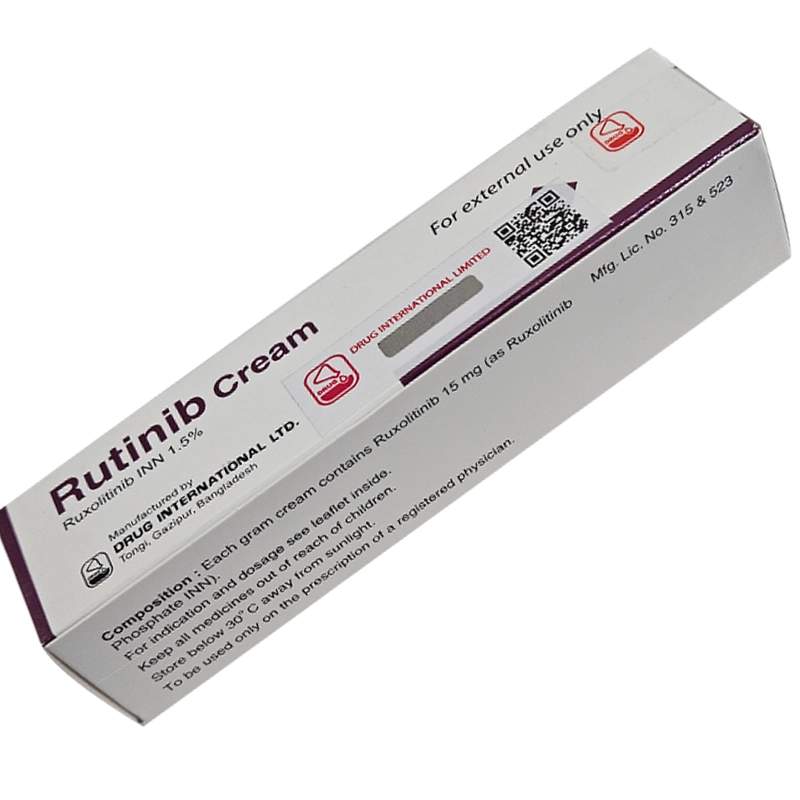
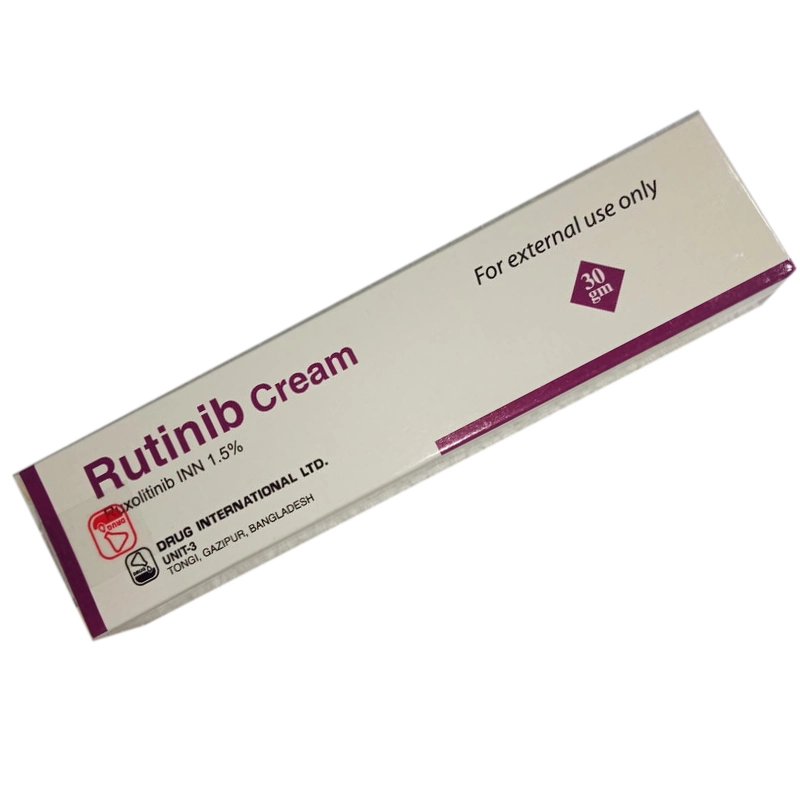
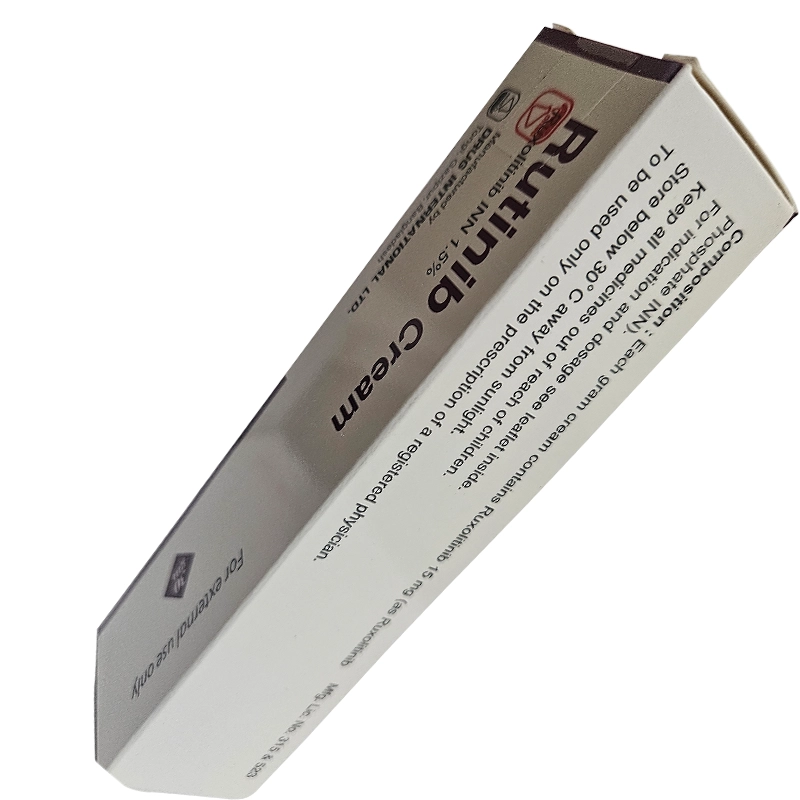
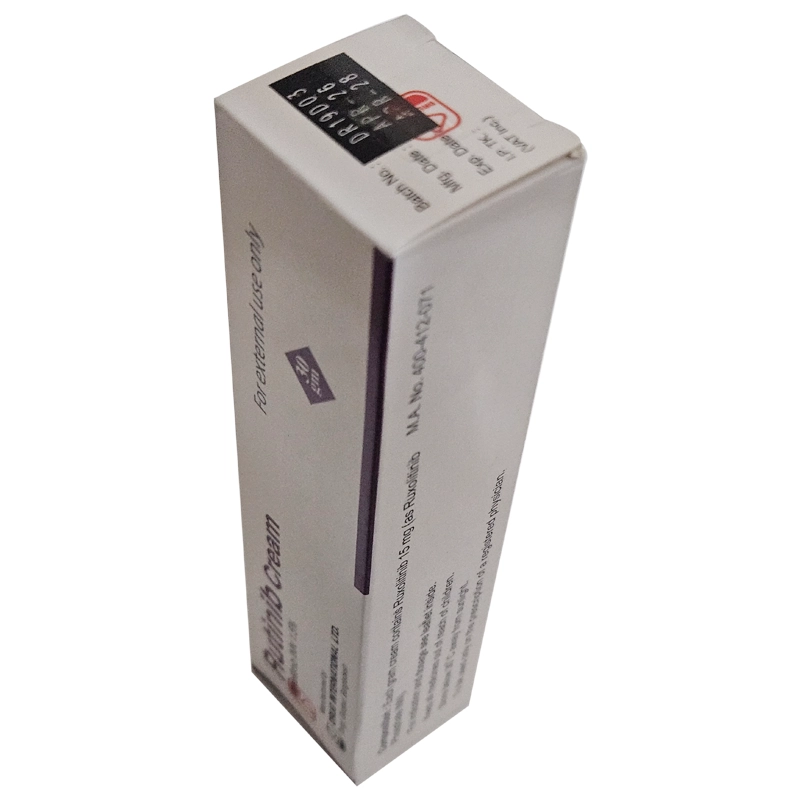
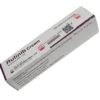
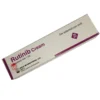
Rutinib Cream (Ruxolitinib) 1.5% | The Bioequivalent Generic to Opzelura
- Used for: Adult patients with atopic dermatitis and non-segmental vitiligo.
- Availability: In Stock
- Shipping: Express Global Shipping (7-14 days depending on region).
- Requirement: Valid prescription from a licensed healthcare provider required.
✓ WHO GMP Certified
✓ Reviewed By Medical Expert
✓ Batch Examined in Lab
Need Patient Access Support?
Our team provides verified global sourcing assistance to help you navigate international shipping and prescription requirements safely.
Rutinib Cream (30 gm), containing the active pharmaceutical ingredient ruxolitinib (1.5%), is a targeted, topically applied Janus kinase (JAK) inhibitor. Originally developed as an oral systemic therapy in hematology-oncology, the topical formulation (therapeutically equivalent to Opzelura™) is indicated for the short-term and non-continuous chronic treatment of mild to moderate atopic dermatitis in non-immunocompromised patients 12 years of age and older.
It is also indicated for the treatment of nonsegmental vitiligo in adults and pediatric patients 12 years of age and older. By directly inhibiting the JAK1 and JAK2 intracellular pathways, Rutinib disrupts the signaling of pro-inflammatory cytokines, offering targeted immune modulation directly at the cutaneous level without the systemic burden of traditional immunosuppressants.
Brand vs. Generic Comparison Table
| Specification | Innovator Brand (Opzelura) | Generic Equivalent (Rutinib Cream) |
|---|---|---|
| Active Molecule | Ruxolitinib | Ruxolitinib |
| Strength | 1.5% (15 mg/g) | 1.5% (15 mg/g) |
| Manufacturer | Incyte Corporation | Drug International |
| Therapeutic Equivalence | Reference Standard | Bioequivalent (AB-rated standard) |
| Indications | Atopic Dermatitis, Vitiligo | Atopic Dermatitis, Vitiligo |
Dermatologist’s Clinical Insight
“In clinical dermatology, managing chronic, immune-driven conditions like atopic dermatitis and nonsegmental vitiligo has historically relied on broad-spectrum topical corticosteroids or calcineurin inhibitors. The integration of topical ruxolitinib marks a critical shift toward precision medicine in dermatological care. By directly targeting the JAK1 and JAK2 intracellular pathways exactly at the site of inflammation, we can effectively suppress the specific cytokine cascades—such as IL-4, IL-13, and interferon-gamma—that drive disease progression.
This localized mechanism allows us to achieve robust clinical endpoints, such as rapid pruritus reduction and repigmentation, without exposing the patient to the systemic immunosuppressive risks associated with oral JAK inhibitors. For patients refractory to standard baseline therapies, a topical JAK inhibitor is a highly efficacious, steroid-sparing necessity. Furthermore, the availability of bioequivalent generic formulations ensures that patients have sustainable, long-term access to these advanced targeted therapies.”
Complete Clinical Histories & Care Steps
What is Rutinib Cream used for?
Unlike targeted oncology therapies, Rutinib Cream does not require a companion diagnostic test (e.g., no ITD/TKD mutation screening). Treatment is initiated based on clinical phenotyping:
- Atopic Dermatitis (AD): Mild to moderate disease where topical prescription therapies are inadvisable, ineffective, or not tolerated.
- Nonsegmental Vitiligo: Clinical diagnosis of depigmentation encompassing up to 10% body surface area (BSA).
How does Ruxolitinib Cream work?
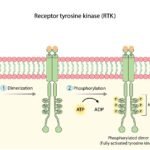
Ruxolitinib competitively binds to the ATP-binding site of JAK1 and JAK2.
- Pathway: Blocks the phosphorylation and activation of STATs (Signal Transducers and Activators of Transcription), preventing their nuclear translocation and subsequent transcription of inflammatory genes.
- Absorption: Topical absorption results in steady-state plasma concentrations well below the half-maximal inhibitory concentration (IC50) for systemic bone marrow suppression.
- Metabolism: Any systemically absorbed ruxolitinib is primarily metabolized by hepatic CYP3A4 and to a lesser extent by CYP2C9.
- Excretion: Urine (74%) and feces (22%) as metabolites.
Dosage & Adverse Event (AE) Management
Baseline Dosing Protocol:
- Atopic Dermatitis: Apply a thin layer to affected areas twice daily. Maximum up to 20% BSA. Do not exceed 60 grams per week.
- Vitiligo: Apply a thin layer to affected areas twice daily. Maximum up to 10% BSA. Do not exceed 60 grams per week.
| Adverse Event Category | Clinical Presentation | Grade/Severity | Management Protocol & Dose Modification |
|---|---|---|---|
| Application Site Reactions | Pruritus, erythema, acneiform eruptions. | Mild to Moderate | Continue therapy; employ barrier creams. Monitor for secondary bacterial infection. |
| Systemic Hematologic (Rare topically) | Thrombocytopenia, anemia, neutropenia. | Grade 3-4 | Discontinue topical application immediately. Monitor CBC. Evaluate for inadvertent oral ingestion or compromised skin barrier over >20% BSA. |
| Infectious | Nasopharyngitis, bronchitis, localized herpes simplex. | Any | Interrupt therapy if active, severe local or systemic infection develops. Resume only upon complete resolution of infection. |
| Black Box Warnings (Class Effect) | Serious infections, MACE, thrombosis, malignancies. | Any | Though systemic absorption is low, avoid in patients with a history of severe thrombosis or active systemic malignancy unless clinically justified. |
Drug-Drug Interaction Matrix
Because systemic exposure is minimal, interactions are significantly reduced compared to oral ruxolitinib. However, caution is required over large application areas.
- Strong CYP3A4 Inhibitors (e.g., Ketoconazole, Clarithromycin, Itraconazole): May increase systemic exposure of ruxolitinib. Action: Monitor for systemic AEs (cytopenias); avoid prolonged concurrent use if applying to large BSA.
- Strong CYP3A4 Inducers (e.g., Rifampin, Phenytoin): May reduce topical efficacy by accelerating clearance of any absorbed drug. Action: No strict contraindication, but monitor clinical response.
Clinical Efficacy & Real-World Data
- Atopic Dermatitis (TRuE-AD1 and TRuE-AD2 Trials): At Week 8, over 50% of patients achieved Investigator’s Global Assessment (IGA) success (clear or almost clear), compared to approximately 15% on vehicle control. Over 60% achieved a clinically meaningful reduction in itch (NRS score ≥4-point reduction).
- Vitiligo (TRuE-V Trials): At Week 24, approximately 30% of patients achieved ≥75% improvement in the facial Vitiligo Area Scoring Index (F-VASI75), increasing to roughly 50% by Week 52.
Precautions & Special Populations
- Pregnancy: There are no adequate data on Rutinib Cream in pregnant women. Oral ruxolitinib in animal studies demonstrated embryofetal toxicity (late resorptions, decreased fetal weights) at exposures clinically relevant to oral, not topical, dosing. Use only if the potential benefit justifies the potential risk to the fetus.
- Lactation: It is unknown if topical ruxolitinib is excreted in human milk. Due to potential risks, discontinue breastfeeding or discontinue the drug.
- Pediatric Use: Safety and efficacy established in patients 12 years and older. Not recommended for children under 12.
- Hepatic/Renal Impairment: No dose adjustments are required for topical application. Avoid in patients with End-Stage Renal Disease (ESRD) on dialysis due to altered pharmacokinetics of systemically absorbed fractions.
- Storage Logistics: Store at 20°C to 25°C (68°F to 77°F); excursions permitted to 15°C to 30°C. Keep tube tightly closed.
Vetted Integrity, Clinical Rigor, & Universal Access
Drug International Manufacturing Insights
Drug International operates under rigorous internal quality protocols compliant with WHO-GMP (Good Manufacturing Practices) guidelines. To achieve therapeutic equivalence with the innovator, Rutinib undergoes strict rheological testing, dermal absorption profiling, and API micronization assessment. This ensures the 1.5% ruxolitinib concentration penetrates the stratum corneum with the exact pharmacokinetic efficiency required to match the innovator’s safety and efficacy profile.
Global Access via Named Patient Program (NPP)
For patients in jurisdictions where Rutinib Cream or Opzelura is not yet locally approved or commercially available, legal access is facilitated through the Named Patient Program (NPP). This mechanism complies with international importation laws for life-saving or essential medicines. Required Documentation:
- Valid Prescription: Issued by a locally licensed dermatologist, oncologist, or general practitioner.
- Letter of Medical Necessity: A clinical justification stating that standard local therapies have failed or are unsuitable.
- Patient Identification: Government-issued ID.
- Import License: Where required by the destination country’s Ministry of Health or customs authority.
Rutinib Cream Frequently Asked Questions (FAQs)
How fast does Rutinib Cream (Ruxolitinib) work for atopic dermatitis?
Clinical data indicates that patients typically experience a significant reduction in pruritus (itch) within 12 to 24 hours of the first application, with visible skin clearing (IGA success) heavily documented by Week 8 of continuous twice-daily use.
Can I use Rutinib Cream on my face for vitiligo?
Yes. Rutinib Cream is specifically formulated and approved for use on sensitive areas, including the face. In clinical trials, facial repigmentation (measured by F-VASI) showed some of the most significant clinical improvements compared to other body sites.
What is the maximum amount of Rutinib Cream I can use per week?
The maximum approved dosage is 60 grams per week. It should not be applied to more than 20% of total body surface area (BSA) for atopic dermatitis, or 10% BSA for vitiligo, to prevent unintended systemic absorption.
Is Rutinib an immunosuppressant or a steroid?
Rutinib is not a topical corticosteroid. It is a targeted Janus kinase (JAK) inhibitor. It works by locally downregulating specific overactive immune pathways in the skin rather than broadly suppressing the immune system or thinning the skin like prolonged steroid use.
Why does Rutinib Cream have a black box warning?
The black box warning is a regulatory class effect applied to all JAK inhibitors. It stems from data concerning oral, systemic JAK inhibitors which are taken internally at much higher doses. While systemic absorption of the cream is minimal, the warnings for serious infections and cardiovascular events are retained for maximum patient safety.
How can I legally import Rutinib Cream via the Named Patient Program?
If Rutinib is unapproved in your country, you can import it for personal use via the NPP. You must provide a valid prescription from your doctor, a Letter of Medical Necessity, and adhere to your local customs regulations regarding a 90-day personal medication supply.
What is the price of Rutinib Cream?
As a high-quality generic alternative to the innovator brand (Opzelura), Rutinib is positioned at a significantly lower price point. On international export platforms facilitating personal importation, a 15-gram tube generally ranges from $100 to $160 USD, depending on international shipping logistics and customs compliance fees.
Related products

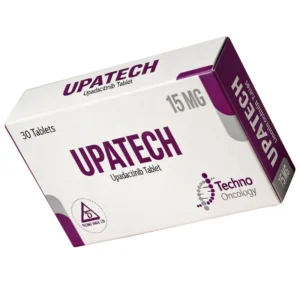
Upatech 15 mg (Upadacitinib) | Selective Janus Kinase 1 (JAK1) Inhibitor / tsDMARD
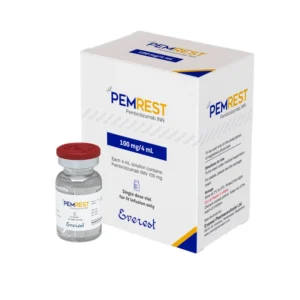
Request PricePemrest 100 mg / 4 ml (Pembrolizumab) | Keytruda Alternative & Price Guide
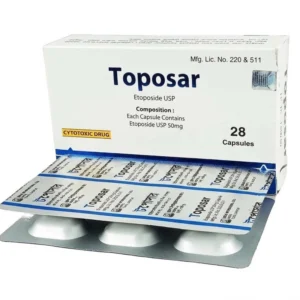
Request PriceToposar (Etoposide) 50mg Capsule & 100mg/5mL Injection
Request PriceRematib 15 mg (Upadacitinib) | Selective Janus Kinase 1 (JAK1) Inhibitor
Request Price