Prescription required. We facilitate access to medicines already prescribed by your treating physician. We do not provide medical advice or diagnoses.

Strategies for Managing and Reducing Cancer Medication Costs: A 2026 Guide

The financial burden of cancer medication costs is often described by the medical community as “Financial Toxicity.” This is not just a term for high bills; it is a clinical reality that affects how well a patient recovers. When the cost of medicine becomes a barrier, the risk of missing doses or stopping treatment increases, which directly impacts survival rates. In 2026, the global pharmaceutical environment has changed, and while new therapies continue to emerge, the focus for many families has shifted toward making these treatments sustainable. This guide provides a deep analysis of the economic and scientific factors that make cancer treatment more affordable, specifically through the use of high-quality generic oncology medicines.
The Clinical Reality of Financial Toxicity
In clinical oncology, we spend immense resources managing physical side effects like neutropenia and severe nausea. Yet, one of the most dangerous toxicities doesn’t show up on a metabolic panel. It’s financial.
On the ground, financial toxicity looks like a patient quietly stretching a 30-day supply of a targeted kinase inhibitor into 45 days. It looks like intentionally skipping doses to delay the next pharmacy bill. In precision oncology, where maintaining exact plasma concentrations is the only way to prevent cancer cells from mutating, these forced compromises are disastrous. A brief two-week delay in a prescription refill can give an aggressive tumor the exact window it needs to progress.
The correlation is not anecdotal; it is strictly metric-driven. A pivotal study published in JCO Oncology Practice quantified this grim reality, finding that patients who experienced severe financial distress or declared bankruptcy post-diagnosis had a significantly higher mortality risk—sometimes upwards of 80%—compared to financially stable patients, independent of the initial disease stage.
A bioequivalent generic isn’t merely a “budget-friendly” alternative; it is a critical clinical intervention. By stripping away the massive cost barriers associated with branded monopolies, high-quality generics keep the patient on schedule. Because ultimately, the most advanced molecule in the world is entirely useless if the patient cannot afford to take it.
The Anatomy of a Monopoly and the Reality of the “Patent Cliff”
When an innovator company brings a novel oncology molecule to market, they are granted a period of absolute exclusivity. We are consistently told these premium prices are required to recoup the billions spent on Phase III trials and R&D. From a clinical and economic standpoint, rewarding true innovation is necessary.
But the transition away from that monopoly is rarely the smooth process outlined in textbooks.
Innovator companies routinely build “patent thickets”—layering dozens of secondary patents on tablet coatings, manufacturing processes, or specific dosing schedules—specifically to delay generic entry. The arrival of a high-quality generic is rarely an economic inevitability; it is the result of intense legal battles to break those thickets.
When that cliff is finally breached, market dynamics shift violently. The entry of the first approved generic usually triggers a modest price drop. However, once the regulatory gates open and three or four WHO-GMP certified generic manufacturers enter the space, the artificial pricing floor collapses. We saw this historically with early-generation TKIs like imatinib, where aggressive competition drove the acquisition cost down by over 80% within a few financial quarters. This transition from monopoly to open-market competition remains the single most powerful mechanism we have for democratizing cancer care.
The Economics of Chemistry: Why Lower Price Doesn’t Mean ‘Cheap’
A dangerous myth persists—often from patients navigating global access pathways for the first time—that generic oncology drugs achieve their price tag by using substandard materials.
The lower price isn’t a result of watered-down chemistry; it is the result of eliminating sunk costs. When an innovator company prices a new targeted therapy, the patient is paying for thousands of failed lab molecules, global marketing overhead, and decade-long clinical trials. Generic manufacturers carry none of this baggage. They start with a molecule whose efficacy profile is an established medical fact.
Note: It is important to clarify that this economic model applies strictly to small-molecule generics. Biologics and their biosimilars operate under a completely different, exponentially more complex manufacturing and regulatory framework, which requires a separate discussion entirely.
When our medical review team and specialized pharmacists audit a generic oncology prescription, they don’t look at the marketing logo on the box. They demand rigid proof of bioequivalence to ensure the generic delivers the exact microgram-for-microgram systemic exposure to the tumor as the branded counterpart. The generic economic model simply strips away the promotional fluff and historical R&D debt, leaving only the validated clinical chemistry.
The Engineering Reality: Why “Cheaper” Actually Means “More Modern”
In our sourcing operations, we constantly see the disconnect between public perception and supply chain reality. Patients picture generic manufacturing as a lesser, stripped-down version of the original laboratory. From a process engineering perspective, the exact opposite is usually true.
Innovator companies are often victims of their own regulatory lock-in. When a pharmaceutical giant develops a breakthrough oncology drug, they lock in their manufacturing process early to get FDA or EMA approval. Once approved, changing that process is a regulatory nightmare. Consequently, innovator companies are frequently forced to produce a drug for over a decade using the exact same inefficient synthesis techniques developed in early trial phases.
When a patent expires ten or fifteen years later, generic chemical engineers don’t blindly copy the old recipe. They reverse-engineer the molecule using a decade’s worth of advancements in modern process chemistry. By optimizing synthesis pathways—sometimes turning a costly 12-step chemical reaction into a streamlined 8-step continuous manufacturing process—they dramatically increase the yield of the Active Pharmaceutical Ingredient (API). State-of-the-art facilities in major global hubs produce high-purity API at a fraction of the original creator’s cost simply because they are using better technology.
The Mathematics of Competition: How Monopolies Actually Break
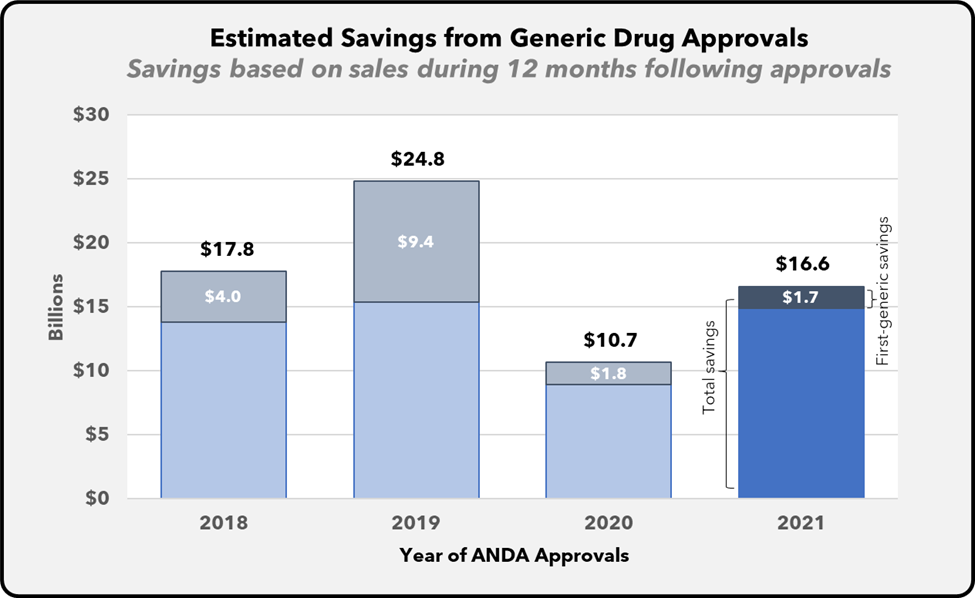
When the very first generic version of an antineoplastic agent enters the market, the price does not plummet. It dips. The first generic manufacturer essentially forms a temporary duopoly with the innovator. During this window, we typically only see a marginal 15% to 20% discount.
The real economic shift only happens when the market reaches critical mass.
An ongoing analysis of FDA Orange Book data and generic pricing trends reveals that the price floor only truly collapses when three to five high-quality generic manufacturers enter the space. At that point, leverage shifts. Hospital Group Purchasing Organizations (GPOs) and national healthcare systems suddenly have the power to negotiate. This bidding war is what triggers the aggressive “price destruction” that transforms a luxury therapy into an accessible standard of care.
Generic companies sustain those massive price cuts without compromising safety by eliminating promotional theater. They do not employ pharmaceutical sales reps to take oncologists to expensive dinners. Their operational model forces them to compete on only two vital metrics: proven clinical bioequivalence and bottom-line unit price.
The Anchor of Trust: Proving Bioequivalence on a Molecular Level
The biggest hurdle for generic adoption in oncology isn’t supply; it’s clinical trust. If a patient’s survival depends on a precise dose of a targeted PARP inhibitor, no oncologist is going to switch them to a generic strictly to save a healthcare system money. The science has to be absolutely bulletproof.
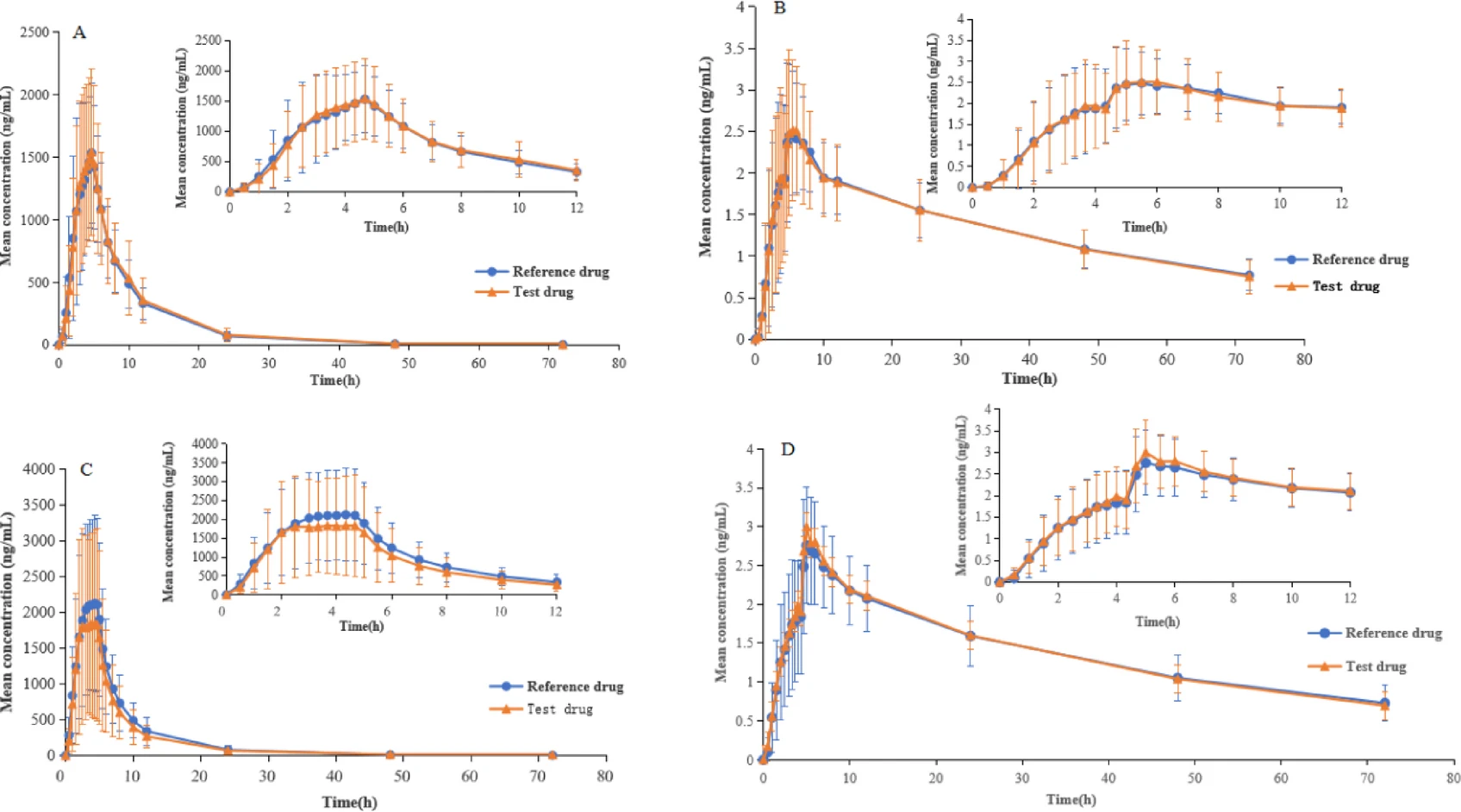
We do not assume a generic drug works just because the active ingredient is listed on the box. Under strict international protocols like the ICH M9 guidelines, a generic manufacturer must prove their therapeutic delivers the exact same maximum serum concentration (Cmax) and overall drug exposure (Area Under the Curve, or AUC) as the innovator drug.
Regulatory standards dictate the generic must fall within an 80% to 125% confidence interval. However, batch data from top-tier generic manufacturers in 2026 shows they aren’t hovering at the edges of those margins. Utilizing advanced assays like High-Performance Liquid Chromatography (HPLC) and tandem mass spectrometry, modern generics routinely demonstrate a variance of less than 3% to 4% from the original drug. Statistically and biologically, they are indistinguishable. “Affordable” means the chemistry has survived a level of molecular scrutiny that leaves no room for clinical doubt.
The True Cost of Non-Adherence: Why Skipping Doses is a Financial Trap
From a health economics perspective, the true financial catastrophe doesn’t happen at the pharmacy counter; it happens when a patient falls off their protocol.
Consider a patient rationing oral chemotherapy. The inevitable result isn’t just a slower recovery—it is disease progression. When a tumor develops resistance because a first-line therapy was taken inconsistently, the clinical team is forced to pivot to second- or third-line salvage therapies. We are no longer talking about managing the cost of a generic targeted therapy; we are suddenly looking at patented immunotherapies that easily exceed $25,000 a month. By forcing a patient to compromise on the front end, the systemic cost of keeping them alive multiplies tenfold.
We see the exact same trap with supportive care. Families will scrape together funds for the cancer-killing drug but quietly skip prophylactic growth factors (G-CSFs) to save money. Skipping a generic neutropenia drug predictably leads to febrile neutropenia. A single emergency room admission and ICU stay for an opportunistic infection can wipe out a life savings in a weekend. In oncology, staying strictly on protocol is the ultimate cost-containment strategy.
The Digital Supply Chain: The Messy Reality of “Transparency”
Digital platforms and blockchain have not magically solved the pharmaceutical markup problem. In the actual trenches of global pharmaceutical sourcing, you are dealing with highly sensitive, temperature-controlled molecules. When you bypass the traditional hospital procurement middleman via direct-to-patient apps, the burden of verification shifts heavily onto the platform and the reviewing clinical team.
If a digital distributor cannot prove a direct, unbroken pipeline to a WHO-GMP certified manufacturer, a steep discount is a massive red flag.
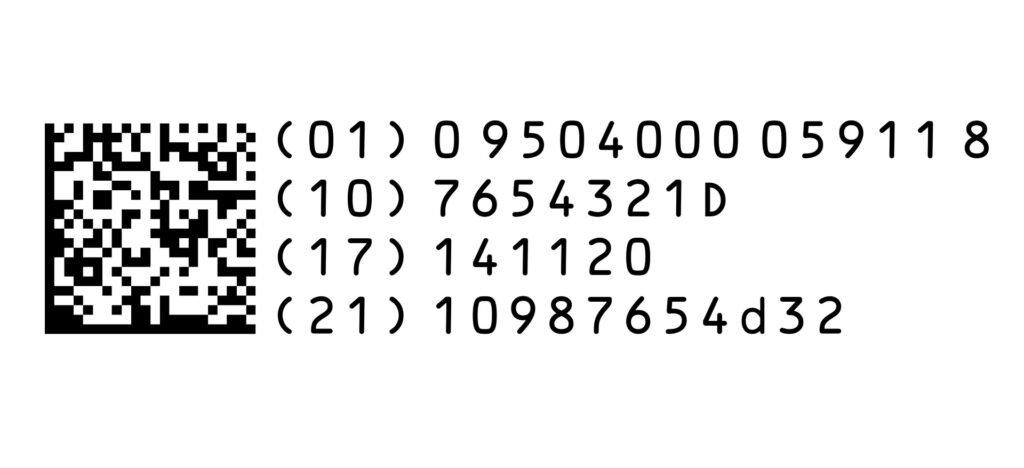
This is exactly why modern track-and-trace technology is non-negotiable. We don’t rely on generic consumer QR codes. The standard is strict serialization utilizing 2D GS1 DataMatrix barcodes, allowing a pharmacist to track a specific box backward through the supply chain to the original API synthesis batch. Technology, however, is only as reliable as the human regulatory enforcement behind it. A digital ledger is useless if the physical facility isn’t being audited. Transparency requires engaging with operations that prioritize rigorous clinical verification over simple e-commerce convenience.
Beyond Local Red Tape: The Reality of Global Sourcing and the NPP
Hospital literature often suggests applying for a Manufacturer-Led Patient Assistance Program (PAP) to offset costs. While these exist, securing approval can be a bureaucratic nightmare. Patients routinely find themselves disqualified due to arbitrary income thresholds or geographic restrictions.
When local safety nets fail, patients shouldn’t have to accept defeat. A massive shift in global oncology access has been driven by high-volume, WHO-GMP certified generic manufacturing hubs in South Asia, particularly in Bangladesh and India. These regions have become the pharmacy of the developing world, producing top-tier antineoplastics at a fraction of Western prices.
To access these legally in highly regulated Western markets, the industry relies on the Named Patient Program (NPP). Under the NPP (or personal importation laws), if a life-saving medication is financially out of reach locally, an oncologist can authorize the direct importation of a bioequivalent generic from an international manufacturer for that specific “named patient.” Navigating the NPP requires clinical rigor, import permits, and strict supply chain auditing. But for families staring down a catastrophic financial cliff, it is often the most actionable lifeline available.
The Verdict: Affordability as a Clinical Imperative
For two decades, the global oncology community has been rightfully obsessed with molecular mechanisms. We mapped the genome and developed highly specific targeted therapies. But our scientific advancements have completely outpaced our economic reality.
We have reached a breaking point where the most brilliantly engineered molecule in the world is clinically useless if it sits on a pharmacy shelf because a patient cannot afford the out-of-pocket cost.
The global transition toward high-quality generic oncology is no longer just a conversation for hospital accountants. It is a clinical imperative. By dismantling expired patent monopolies, utilizing highly efficient modern manufacturing hubs, and rigidly enforcing molecular bioequivalence, we are actively treating financial toxicity. We must demand WHO-GMP certifications, require rigorous pharmacokinetic data, and utilize global regulatory pathways like the NPP when local supply chains fail.
A cancer diagnosis is devastating enough. The price of the cure should never be the thing that ultimately breaks a family. And yet, in 2026, that is exactly what is happening in far too many cases.
Medical Disclaimer: The information detailed in this analysis is for educational and supply-chain awareness purposes only. It is not intended to substitute for professional medical advice, diagnosis, or treatment. Oncology is highly individualized, and decisions regarding treatment protocols—including the sourcing and integration of generic therapeutics—must be made in strict consultation with your primary oncologist or a registered clinical pharmacist. Never delay seeking professional medical advice or alter a prescribed regimen based on digital content. The verification, safety, and appropriateness of any medication must always be independently confirmed by your direct healthcare provider.