Prescription required. We facilitate access to medicines already prescribed by your treating physician. We do not provide medical advice or diagnoses.


How to Remove Eczema Scars Naturally: Proven Home Remedies

Eczema scars can be a persistent reminder of past flare-ups. Many people seek natural ways to heal these scars and to heal eczema scars without harsh products. Natural remedies offer a gentle approach to skin care with practical scar removal tips. They avoid harsh chemicals and focus on soothing ingredients.
This guide explores how to remove eczema scars naturally. It provides practical tips and effective home remedies eczema sufferers can try. From aloe vera to coconut oil, discover options that promote natural scar healing and support gradual results.
Understanding eczema scars is the first step. Knowing their causes helps in choosing the right treatment. Natural remedies can be a part of a holistic skincare routine. They support skin health and boost confidence with gentle eczema scar treatment options.
Consistency is key when using natural treatments. Results may take time, but patience pays off. Embrace these natural solutions for healthier, scar-free skin as you work to remove eczema scars.
Understanding Eczema Scars: Causes and Types
Eczema scars form when the skin heals unevenly. This often happens after inflammation or scratching. Knowing why scars occur can guide effective treatment choices.
Several factors contribute to scar formation. These include skin trauma, prolonged inflammation, and repeated irritation. Avoiding these triggers can help minimize scarring.
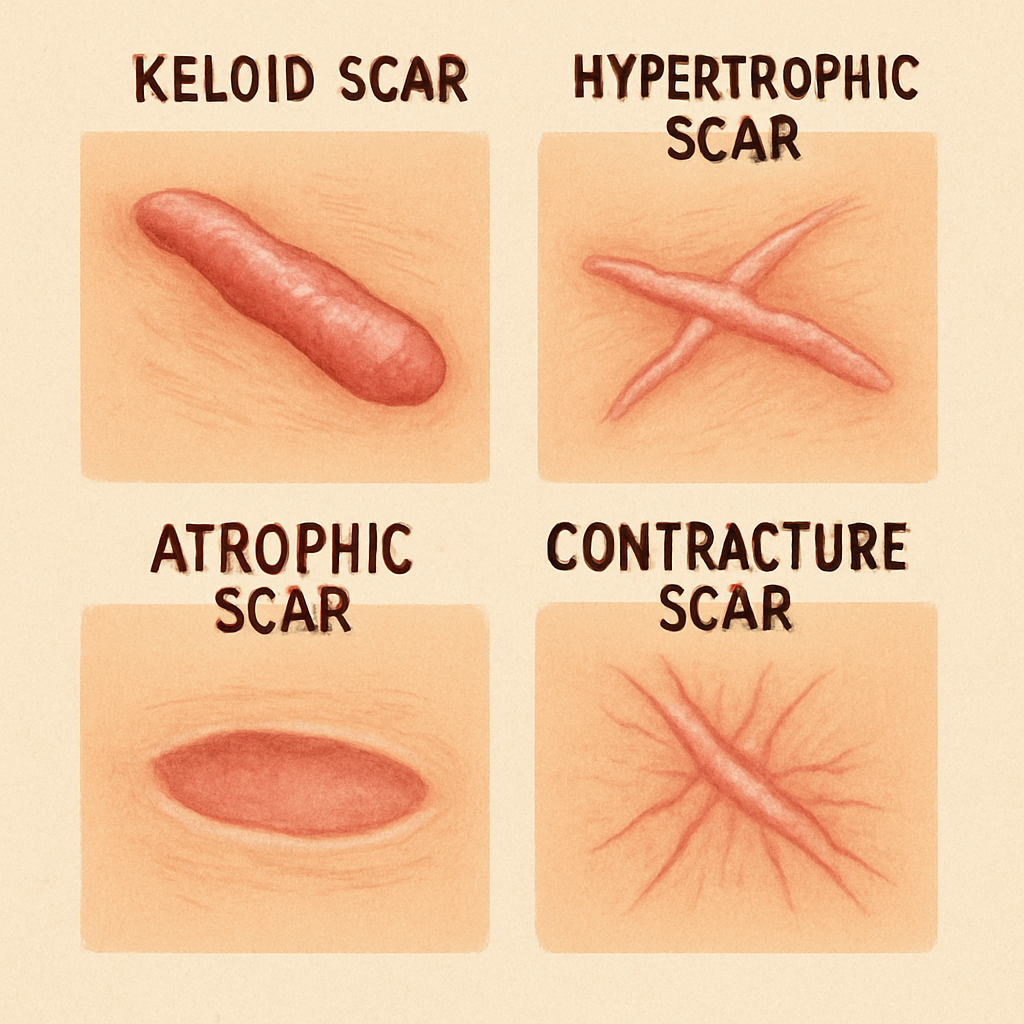
The appearance of scars can vary. Some are flat and dark, while others are raised or depressed. Identifying the type of scar is crucial for selecting the right remedy.
Common types of eczema scars include:
- Hyperpigmented (Dark spots) scars
- Hypopigmented scars
- Hypertrophic scars
- Atrophic scars
Eczema scars don’t just affect appearance. They can impact self-esteem too. Thankfully, natural treatments can improve skin texture and tone.
Why Choose Natural Remedies for Eczema Scar Removal?
Natural remedies are gentle on the skin. They avoid harsh chemicals found in many commercial products. This is important for sensitive, eczema-prone skin.
People choose natural methods for their holistic benefits. They help heal from the inside out. Plus, they are often more affordable and accessible.
The advantages of natural remedies include:
- Reduced risk of side effects
- Sustainable and eco-friendly
- Support overall skin health
Natural solutions can offer peace of mind. They harmonize with the skin’s natural processes, promoting healthier skin. For many, they serve as a gentle eczema scar treatment at home.
Essential Tips Before Starting Natural Scar Treatments
Before diving into natural scar treatments, take a moment to prepare. Proper preparation can enhance effectiveness and reduce the risk of irritation.
First, ensure your skin is clean. This maximizes the absorption of natural remedies and keeps your skin healthy. Always patch test new treatments to avoid unwanted reactions.
Consistency is key in natural treatments. Apply remedies daily for the best results. Set a reminder if necessary.
Remember these tips:
- Cleanse skin before application
- Patch test new products
- Apply treatments consistently
These scar removal tips help maximize results and reduce irritation. Consider keeping a skincare journal to track progress. Documenting changes helps tailor treatments to your unique needs. This small step can provide valuable insights.
Top Natural Remedies to Remove Eczema Scars
Natural ingredients can effectively heal eczema scars and help remove eczema scars gradually. They provide nourishing benefits without harsh chemicals. Implementing these remedies can improve skin texture and appearance over time. Let’s explore some effective natural solutions.
Aloe Vera
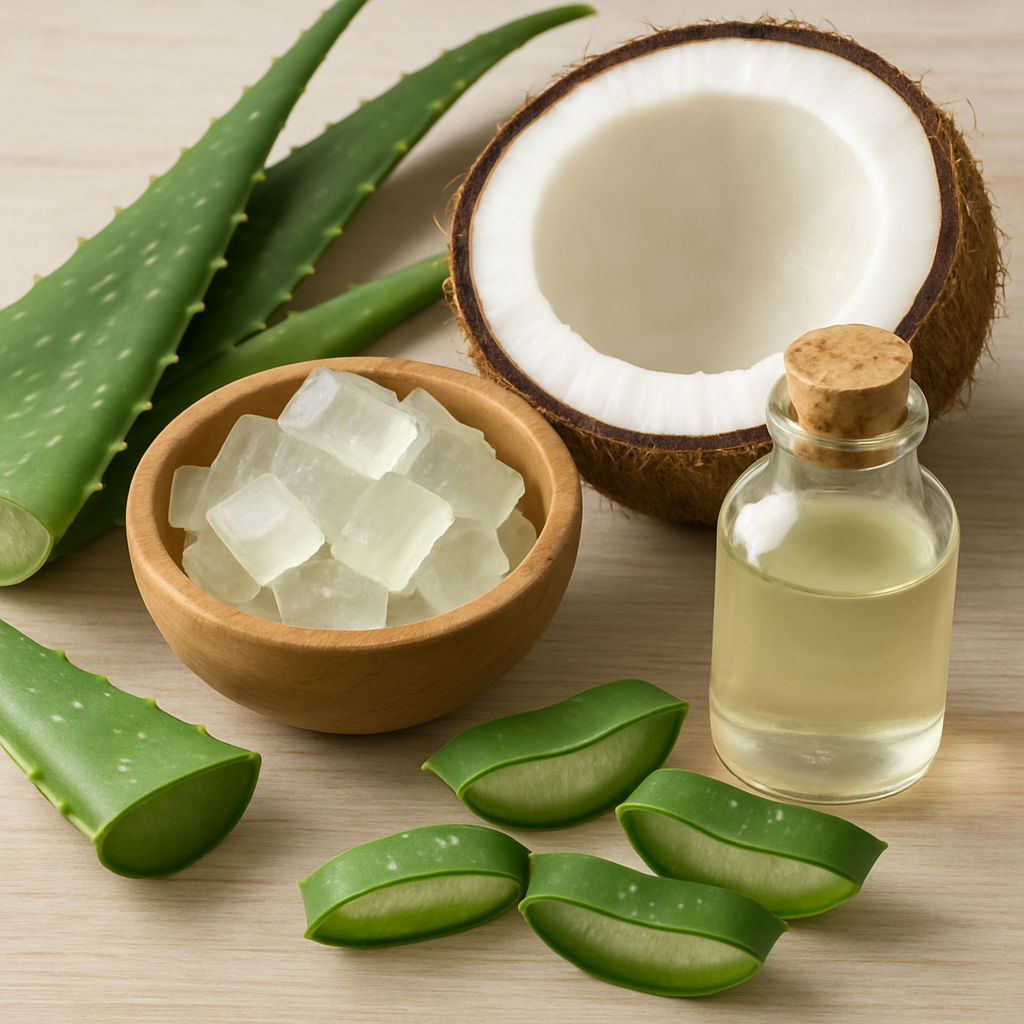
Aloe vera is renowned for its soothing properties. It reduces inflammation and promotes healing. Applying aloe vera gel can fade eczema scars naturally.
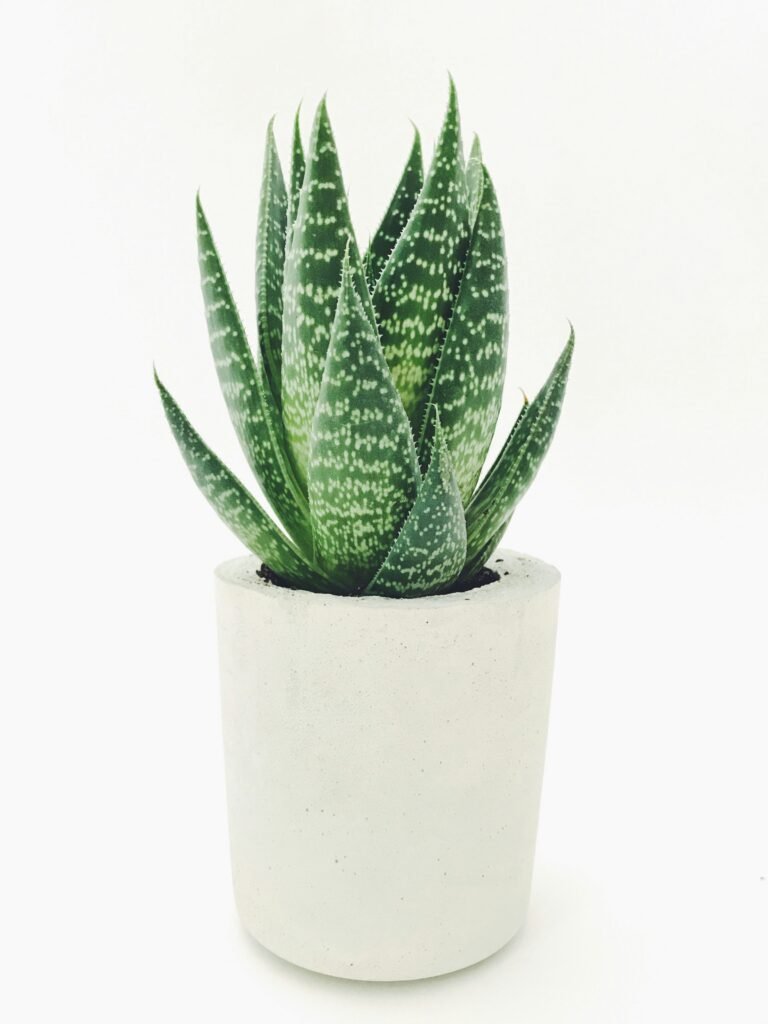
Cut an aloe leaf and apply the gel to scars. Its moisturizing effect aids skin repair. This simple step offers a gentle eczema scar treatment you can use daily.
Coconut Oil
Coconut oil is a fantastic natural moisturizer. It enhances skin texture and elasticity. This oil can penetrate deeply, promoting scar healing.
Warm coconut oil in your hands. Massage it onto the affected areas. Its fatty acids nourish the skin, promoting regeneration and supporting natural scar healing.
Honey
Honey is nature’s antibacterial agent. It accelerates scar fading by promoting cell regeneration. Raw honey offers the best results.
Apply honey directly to the scars. Leave it on for 20 minutes before rinsing. It hydrates the skin while aiding healing and encouraging natural scar healing.
Shea Butter
Shea butter is loaded with essential vitamins. It’s an effective moisturizer that supports skin repair. Its rich texture helps heal scars effectively.
Massage shea butter onto affected areas. Over time, it softens scars and improves skin tone.
Essential Oils (Lavender, Tea Tree, Rosehip)
Essential oils offer a potent concentration for scar treatment. They possess anti-inflammatory properties that support healing.
Use these oils for eczema scar treatment:
- Lavender oil
- Tea tree oil
- Rosehip oil
Dilute with a carrier oil before application. Essential oils soothe and heal damaged skin. Consider these as complementary eczema scar treatment options at home.
Oatmeal Baths
Oatmeal has calming properties. It reduces irritation and inflammation associated with eczema. An oatmeal bath can soothe your skin and improve healing.
Add ground oatmeal to lukewarm bathwater. Soak for 15 minutes to let your skin absorb its benefits.
Turmeric and Natural Masks
Turmeric is known for its anti-inflammatory effects. It reduces redness and supports scar fading. Create a paste with turmeric for effective application.
Mix turmeric powder with water or yogurt. Apply the paste to scars, leaving it for 15 minutes. Its antioxidants help rejuvenate your skin.
Apple Cider Vinegar
Apple cider vinegar balances skin pH levels. It’s been used as a natural toner, promoting a more even skin tone.
Dilute vinegar with water before application. Gently dab it on scars using a cotton ball. Its acidity helps lighten scars over time and offers one more of several practical scar removal tips.
Lifestyle Changes to Support Natural Scar Healing
Lifestyle adjustments can significantly enhance scar healing. Simple habits can boost your skin’s ability to recover.
Hydration is essential. Drinking ample water keeps skin hydrated and aids healing.
Stress can worsen eczema symptoms. Managing stress supports skin health.
Regular exercise boosts circulation. This can promote faster scar healing.
Consider these lifestyle habits for better skin:
- Stay hydrated
- Manage stress
- Exercise regularly
A humidifier can prevent skin dryness. Use it in your home, especially during winter.

Avoid hot showers, as they dry the skin. Opt for lukewarm showers to maintain moisture. Making these changes can significantly aid natural scar healing.
Diet and Nutrition for Skin Repair
A balanced diet plays a vital role in skin repair. Proper nutrition provides the building blocks for healing.
Foods rich in vitamins and minerals can enhance skin health. Antioxidants and omega-3 fatty acids are particularly beneficial.
Include these in your diet for optimal skin repair:
- Fresh fruits and vegetables
- Nuts and seeds
- Fatty fish like salmon
These foods support skin regeneration. They help minimize the appearance of scars over time. Making small changes in your diet can lead to noticeable improvements in skin health.
Preventing Future Eczema Scars: Daily Habits and Care
Daily habits can play a crucial role in preventing eczema scars. Consistent skin care is essential for maintaining healthy skin.
First, avoid scratching to prevent further skin damage. Keeping nails trimmed can help reduce the risk of injury.
Additionally, consider these habits for better skin care:
- Use gentle, fragrance-free cleansers
- Moisturize your skin regularly
- Wear soft, breathable fabrics
These simple habits help maintain the skin barrier. They also protect your skin from irritants and potential scarring. Consistency is key for long-term skin health.
When to See a Dermatologist
While natural remedies offer many benefits, sometimes professional help is essential. If eczema scars persist despite consistent care, consult a dermatologist.
Also, seek medical advice if new symptoms arise or existing ones worsen. A dermatologist can provide targeted treatments to improve skin health and fade scars effectively.
Frequently Asked Questions About Natural Eczema Scar Removal
Can natural remedies remove all eczema scars?
Not always. While they can reduce their appearance, complete removal might not be possible for all scars.
How long do natural treatments take to show results?
It varies. Some see changes within weeks, while others may need months. Consistency is crucial.
Are natural remedies safe for everyone?
Mostly, yes. However, always do a patch test first to avoid potential allergic reactions.
How do I choose the best natural remedy for my type of eczema scar?
Match remedies to what you see on your skin. For hyperpigmented (dark) spots, try soothing brighteners like aloe vera, diluted apple cider vinegar, turmeric masks, and diluted rosehip or lavender oil. For hypopigmented (lighter) areas, focus on barrier support and moisture (shea butter, coconut oil) and patience. For hypertrophic (raised) scars, emphasize anti-inflammatory support and gentle massage with moisturizers (shea or coconut) and diluted essential oils. For atrophic (depressed) scars, steady hydration plus regeneration-supporting options (honey, aloe, nutrient-dense diet) can help texture over time. In all cases, be consistent and gentle.
What’s the right way to patch test and apply these natural treatments?
Start with clean skin. Patch test a small, diluted amount (e.g., inside the forearm) and wait 24 hours; avoid use if redness, itching, or burning occurs. Always dilute essential oils with a carrier oil, and dilute apple cider vinegar with water. Use remedies as directed in the guide: aloe or oils/butters can be left on; honey for about 20 minutes then rinse; turmeric paste for about 15 minutes then rinse; oatmeal baths for about 15 minutes. Begin a few times per week and build to daily if your skin tolerates it. Keep a simple routine and track changes in a skincare journal.
Can I combine several natural remedies and lifestyle changes at once?
Yes—just keep it simple and introduce one new step at a time. A sample flow could be: cleanse gently, apply aloe, then seal with shea or coconut oil; a few times weekly add a honey or turmeric mask (rinse) or take an oatmeal bath. Pair this with daily habits that support healing: hydrate well, manage stress, exercise regularly, use a humidifier, and take lukewarm (not hot) showers. Consistency matters more than the number of products.
How much time will it take to see results, and what does “consistent” really mean?
Natural scar care works gradually. Some people notice changes in a few weeks, while others need several months. “Consistent” means applying your chosen remedy(ies) daily or as directed, keeping the routine steady, and avoiding frequent product hopping. Document weekly progress so you can adjust if needed.
When should I stop home care and see a dermatologist?
Seek professional help if scars don’t improve despite steady care, if symptoms worsen or new ones appear, or if scarring is significantly affecting your confidence. A dermatologist can offer targeted options to complement gentle home remedies. If you’re using prescription treatments, don’t stop them without consulting your doctor first.
Embracing Patience and Consistency
Achieving scar-free skin is a gradual journey. Natural remedies offer a gentle path to healing. However, results require time and a steady routine.
Consistency in application and lifestyle changes can significantly enhance outcomes. Regularly moisturizing and protecting the skin from damage are vital steps.
Remember, every skin type reacts differently. Embrace patience, knowing that healing is personal and progress is worth every effort.