Prescription required. We facilitate access to medicines already prescribed by your treating physician. We do not provide medical advice or diagnoses.


Understanding the Benefits of Vitiligo Cream

Vitiligo is a skin condition that affects millions worldwide. It causes patches of skin to lose their color. This can lead to noticeable white spots on various parts of the body.
For those living with vitiligo, finding effective treatment is crucial. Vitiligo creams offer a promising solution.
These treatments are included in a wider range of topical creams for vitiligo. They work to bring back skin color and enhance appearance.
Understanding how vitiligo creams work is important. They can vary in effectiveness and are often part of a broader treatment plan. Some creams contain corticosteroids, which help reduce inflammation and promote repigmentation. In some cases, a dermatologist may recommend a corticosteroid for vitiligo for short, guided courses.
Choosing the right cream involves considering factors like skin type and severity. It’s also essential to consult with a dermatologist. This ensures the chosen treatment is safe and suitable for individual needs.
What Is Vitiligo and How Does It Affect the Skin?
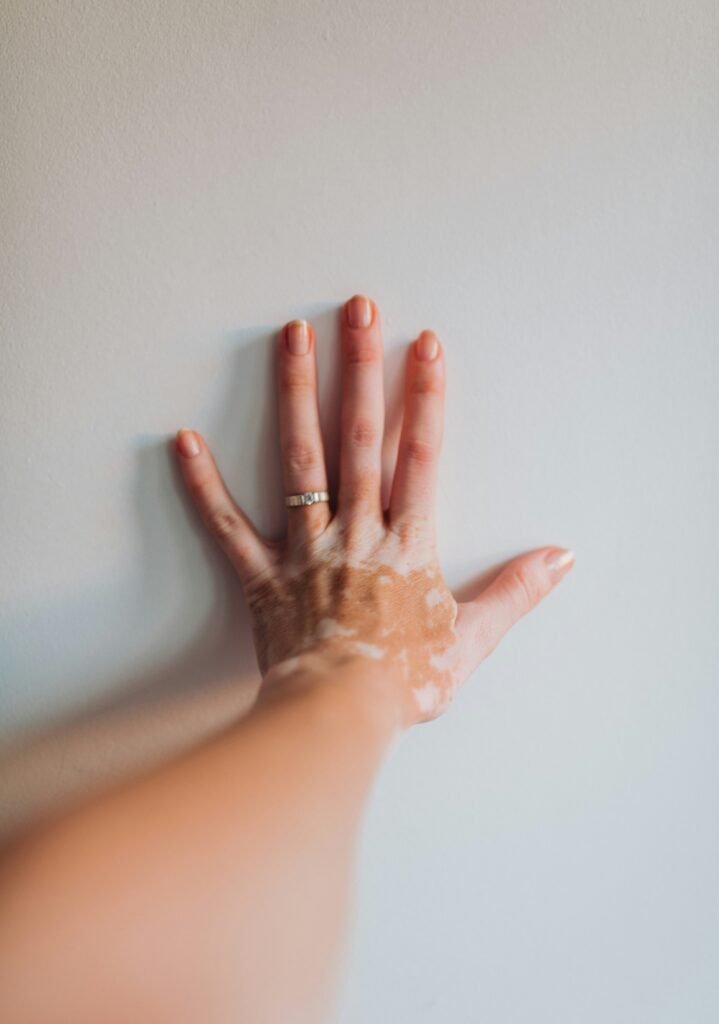
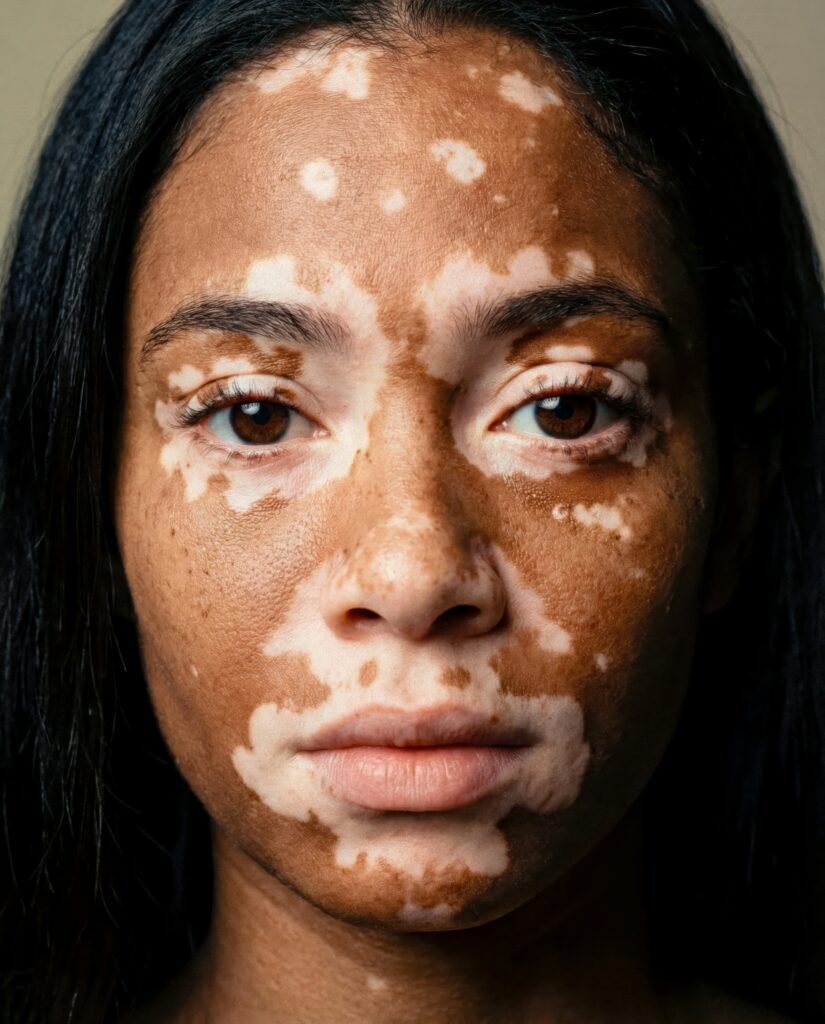
Vitiligo is an autoimmune condition where the skin loses its pigment. This occurs when the melanocytes, which produce skin color, stop functioning or die. The result is patches of lighter skin that can appear anywhere on the body.
These patches are usually more noticeable in areas exposed to the sun. Commonly affected regions include the face, neck, and hands. Vitiligo can also affect hair, turning it white or gray.
The cause of vitiligo is not completely understood. It may be linked to genetic factors, as it sometimes runs in families. Environmental triggers and stress might also play a role.
People with vitiligo may experience:
- Loss of skin color in patches
- Premature whitening of hair
- Changes in mucous membranes

While not life-threatening, vitiligo can have significant emotional and psychological impacts. Accepting and managing the condition can be challenging for many individuals.
How Do Vitiligo Creams Work?
Vitiligo creams are designed to restore pigmentation in affected skin areas. They work by encouraging the growth of melanocytes or by promoting the formation of melanin. This helps in reducing the visibility of white patches.
These creams often contain ingredients that modulate the immune response. This is crucial because vitiligo involves the immune system attacking skin pigment cells. By calming inflammation, these creams can support skin healing.
Some creams are effective due to active components like corticosteroids. These are known for their anti-inflammatory properties. They can halt the spread of vitiligo patches when used consistently. In appropriate cases, a carefully supervised corticosteroid for vitiligo can be part of the plan.
Natural ingredients are also found in some topical creams for vitiligo. These options might include herbal extracts known for skin health. They aim to gently encourage repigmentation without harsh side effects.
The effectiveness of vitiligo creams can depend on:
- The area and severity of patches
- Consistent application over weeks or months
- Individual skin response to treatment
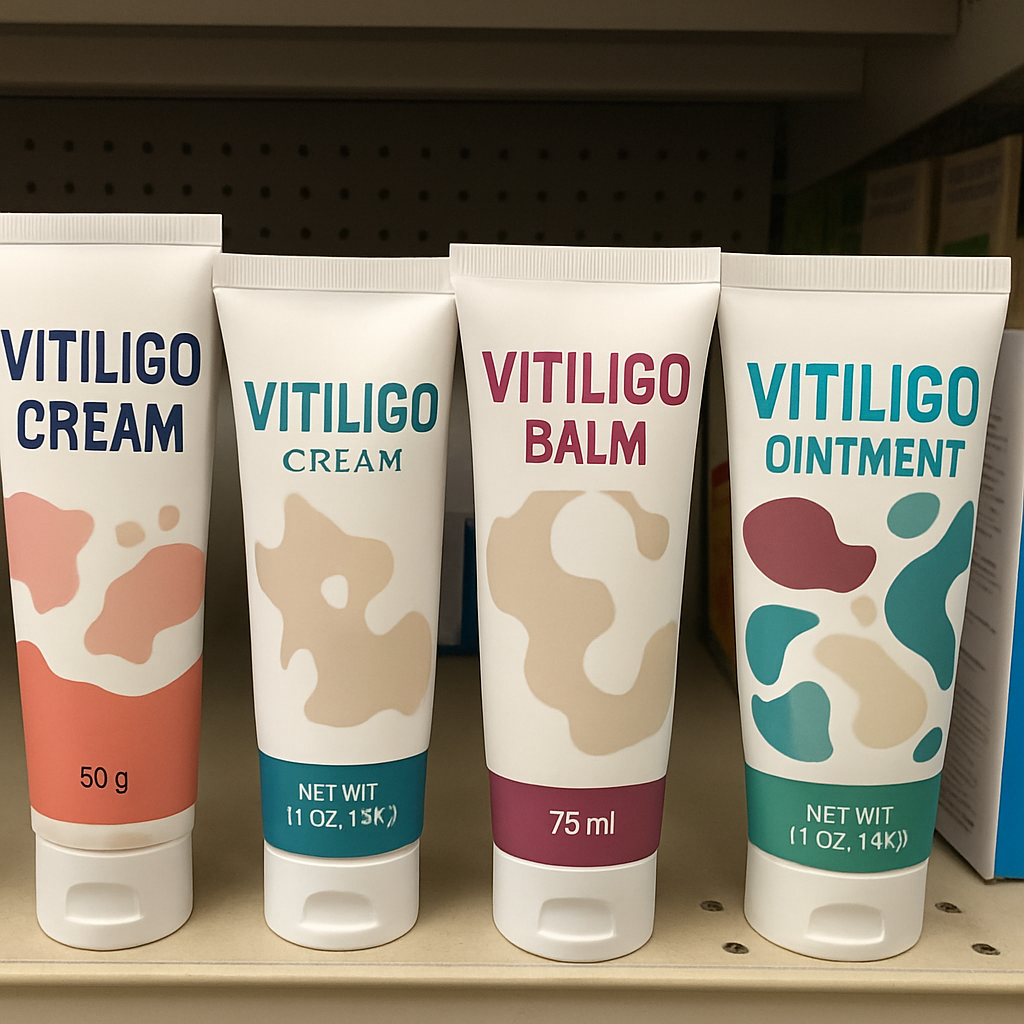
It’s important to note that creams are part of a broader management plan. Combining them with other therapies often yields the best results.
In some cases, a doctor may talk about depigmentation treatment as a different option from using a vitiligo cream.
Types of Topical Creams for Vitiligo
Various topical creams cater to different needs in vitiligo treatment. The choice depends largely on the patient’s condition and preference. Understanding the options helps in making informed decisions.
Corticosteroid creams are among the most commonly prescribed treatments. These creams are effective in controlling inflammation and promoting repigmentation. They’re particularly useful in early stages of vitiligo.
Non-steroidal options can also be effective. These often include natural formulations aimed at soothing the skin and encouraging pigment restoration. Such creams may appeal to those concerned about steroid use.
Immunomodulator creams are another type. They work by adjusting the immune response, helping to halt pigment loss. These can be beneficial when vitiligo is particularly active.
When choosing a cream, consider factors such as:
- Severity and spread of the condition
- Ingredient sensitivity or allergies
- Dermatologist recommendations
These creams are often used in combination with other therapies. Strategies might include phototherapy or oral medications to maximize results.
Corticosteroid Creams for Vitiligo
Corticosteroid creams are a cornerstone of vitiligo treatment. They are well-known for their ability to reduce inflammation and encourage color return. Most commonly, they are prescribed for initial stages of the condition.
Their effectiveness lies in their anti-inflammatory properties. This helps in suppressing the immune response that attacks pigment cells. Consistent usage can prevent the spread of vitiligo patches. A dermatologist may recommend a specific corticosteroid for vitiligo and guide how long to use it.
Regular application is crucial for success. A dermatologist often advises the frequency and duration of use. Always follow guidelines to avoid potential side effects, such as skin thinning.
Key considerations when using corticosteroid creams include:
- Optimal duration of therapy
- Balancing effectiveness with potential side effects
- Not exceeding the recommended dosage
Corticosteroid creams are powerful, but they might not be suitable for everyone. Consultation with a healthcare provider ensures safe and effective treatment.
Non-Steroidal and Natural Creams
Non-steroidal creams are an alternative for those wary of steroids. These creams focus on gentle yet effective skin restoration. Their formulation often includes natural ingredients known for their healing properties.
Such creams can be less irritating and suitable for sensitive skin. They often combine herbal extracts, vitamins, and moisturizing agents. These elements aim to boost the skin’s natural healing process.
When selecting these creams, consider:
- Presence of plant-based and gentle components
- Patient reviews and dermatologist opinions
- Skin type compatibility
Natural creams may take longer to show results but are typically gentler on the skin. Regular use, along with a healthy lifestyle, enhances their effectiveness. These creams can be part of a holistic approach to managing vitiligo.
Choosing the Best Cream for Vitiligo
Selecting the right vitiligo cream involves several considerations. It’s essential to evaluate each option’s ingredients and benefits. Some creams may work better for specific skin types or stages of the condition. There is no single “best cream for vitiligo” for everyone, so personal response and guidance matter.
Consultation with a dermatologist is crucial. They can provide insights based on your skin’s needs and health history. A professional opinion can streamline the process of choosing an effective treatment.
When exploring creams, prioritize those with proven track records. Look for clinical data or user reviews that highlight effectiveness and safety. This information helps narrow down the options available.
Consider any potential allergies or skin sensitivities. Some individuals may react negatively to certain compounds. Testing a small area before full application can prevent adverse effects.
Deciding factors when choosing a cream may include:
- Clinical effectiveness and safety profile
- Specific skin conditions and type
- Professional recommendations
Your lifestyle and budget should also guide your decision. The ideal choice fits seamlessly into your routine and is financially feasible.
Application Tips and Best Practices
Applying vitiligo cream correctly is crucial for optimal results. Begin with clean, dry skin to ensure the cream absorbs well. This preparation maximizes the treatment’s effectiveness.
Follow the instructions provided with your cream. Each product may have specific guidelines regarding the amount and frequency of application. Consistency is key to seeing improvements over time.
Massaging the cream gently into the skin helps distribute the product evenly. It aids in better absorption and might enhance the overall result. Careful application can prevent irritation and ensure coverage of affected areas.
To maximize benefits, consider these tips:
- Cleanse the area before application
- Use the recommended amount each time
- Follow a regular application schedule
Incorporating these practices into your routine can lead to better skin recovery and health.
Effectiveness and Expected Results
The effectiveness of vitiligo creams can vary among individuals. Results depend on the severity and location of the vitiligo patches. Some people may see changes within weeks, while others take longer.
Patience is essential in this treatment process. Visible improvements often occur gradually, with some requiring several months of consistent application. It’s important to manage expectations realistically.
Using vitiligo creams as part of a comprehensive care plan improves outcomes. Combining them with other treatments like phototherapy can often enhance the results. Always consult a dermatologist to tailor the best strategy for your skin.
Key points to remember:
- Expect gradual changes
- Results vary by individual
- Consistency is crucial for success
Overall, while creams may not provide instant results, they play a significant role in managing vitiligo over time.
Special Considerations: Treatment for Vitiligo in Kids
Treating vitiligo in children requires a gentle approach. Their skin is more sensitive, and special care is needed. Consulting with a pediatric dermatologist is crucial for selecting the right treatment.
Vitiligo creams for kids should be mild yet effective. Not all adult formulations are suitable for young skin. Look for creams specifically designed for children. When considering treatment for vitiligo in kids, parents should prioritize safety and close follow-up.
Key considerations include:
- Mild and safe formulations
- Consultation with a specialist
- Monitoring for side effects
Parents should stay informed and observant. Regular follow-ups can ensure the treatment is effective and well-tolerated, providing the best possible outcome for young patients.
Side Effects and Safety of Vitiligo Creams
Vitiligo creams are generally safe but require careful use. Side effects can occur, particularly with long-term application. Understanding potential reactions helps mitigate risks.
Common side effects include skin thinning or irritation. Monitoring the skin’s response is essential. If adverse effects appear, consult with a dermatologist.
Important safety tips include:
- Use creams as directed
- Be cautious with sun exposure
- Watch for signs of irritation
Involving a healthcare provider can ensure safer application. They can provide guidance on minimizing risks and address any concerns promptly.
Combining Vitiligo Creams with Other Treatments
Vitiligo creams often work best alongside other therapies. Combining treatments can enhance results and speed up repigmentation. Options include phototherapy, oral medications, and lifestyle adjustments. For widespread involvement, a physician may discuss depigmentation treatment as a separate option from creams.
Creating a comprehensive approach helps manage the condition more effectively. Consult a dermatologist to explore combination strategies.
Consider integrating:
- Phototherapy sessions
- Healthy diet changes
- Stress management techniques
Personalizing the treatment plan can maximize benefits and address individual needs more thoroughly. A collaborative approach with a healthcare provider leads to better outcomes.
Psychological and Emotional Benefits
Improved skin appearance can boost self-esteem significantly. The use of vitiligo creams can lead to positive psychological changes. Feeling more confident enhances social interactions.
Managing vitiligo effectively reduces stress and anxiety for many individuals. The emotional support from successful treatments can improve overall well-being. A comprehensive approach is valuable.
Frequently Asked Questions About Vitiligo Creams
Many individuals seek answers when considering vitiligo creams for the first time. Here are some commonly asked questions and answers to help you understand better.
How do vitiligo creams work?
They aim to restore skin color by encouraging melanocyte activity and melanin formation while calming the immune response that attacks pigment cells. Many contain corticosteroids for their anti-inflammatory effects; others use immunomodulators or gentler, non-steroidal/natural ingredients. Effectiveness varies by patch location and severity, and creams work best as part of a broader treatment plan.
Is there a single “best” vitiligo cream, and how should I choose one?
There’s no one-size-fits-all option. The right choice depends on severity and spread of patches, skin type, ingredient sensitivities, and dermatologist guidance. Prioritize products with a track record of safety and effectiveness, review clinical data or user feedback, patch-test for allergies, and choose something that fits your routine and budget.
How long does it take to see results, and what should I expect?
Improvements are gradual and vary by person—some see changes in weeks, others need several months of consistent use. For best results, apply to clean, dry skin, follow dosing directions, and maintain a regular schedule. Combining creams with other therapies (such as phototherapy) can enhance outcomes, while extensive cases may warrant a separate discussion about depigmentation.
Are vitiligo creams safe? What side effects should I watch for, especially with corticosteroids?
When used as directed, they’re generally safe, but side effects like skin thinning or irritation can occur—especially with prolonged or excessive corticosteroid use. Follow dermatologist guidance (often short, supervised courses), don’t exceed recommended amounts, be cautious with sun exposure, and monitor your skin. If irritation or other issues arise, consult your dermatologist.
Can children use vitiligo creams?
Yes, but treatment should be gentle and supervised. Choose mild, kid-appropriate formulations and work with a pediatric dermatologist. Close follow-up helps ensure effectiveness and safety, since not all adult products are suitable for children’s more sensitive skin.
How quickly do vitiligo creams work?
Results can vary, but typically take several weeks.
Can children use vitiligo creams?
Yes, but consult a dermatologist for kid-safe options.
Are natural creams effective?
Some people find success with natural ingredients.
Conclusion: The Role of Vitiligo Creams in Comprehensive Care
Vitiligo creams play a key role in managing this complex skin condition. They are part of a multifaceted treatment strategy that can improve skin appearance and boost confidence.
By combining vitiligo creams with other therapies and lifestyle changes, individuals can achieve better outcomes. Comprehensive care often leads to enhanced quality of life and overall well-being.
Consulting with a healthcare provider is essential for personalized advice. Always follow professional recommendations for the best outcomes.
Research Sources: