Prescription required. We facilitate access to medicines already prescribed by your treating physician. We do not provide medical advice or diagnoses.


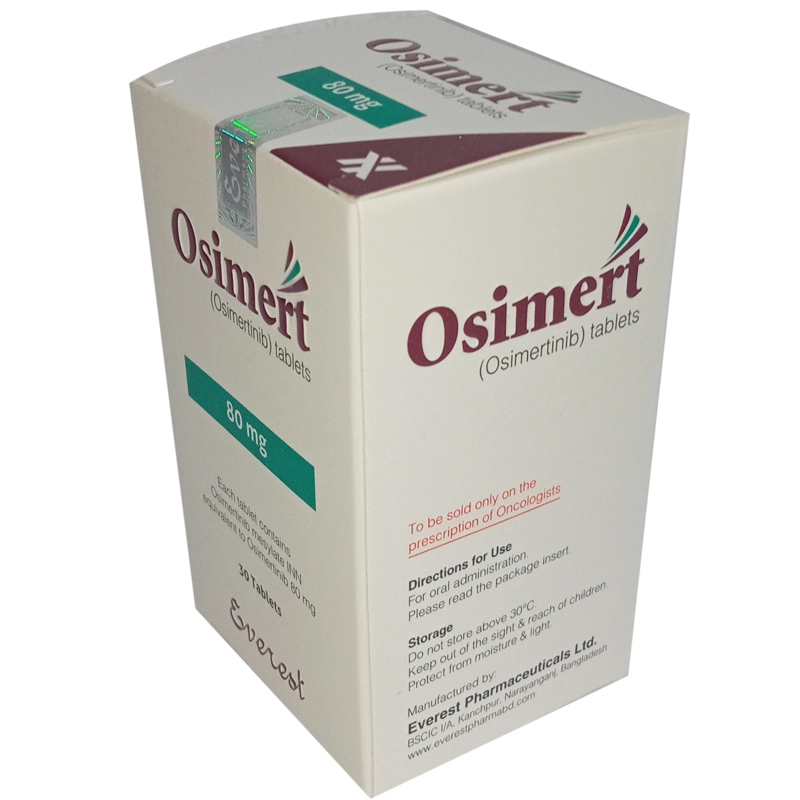
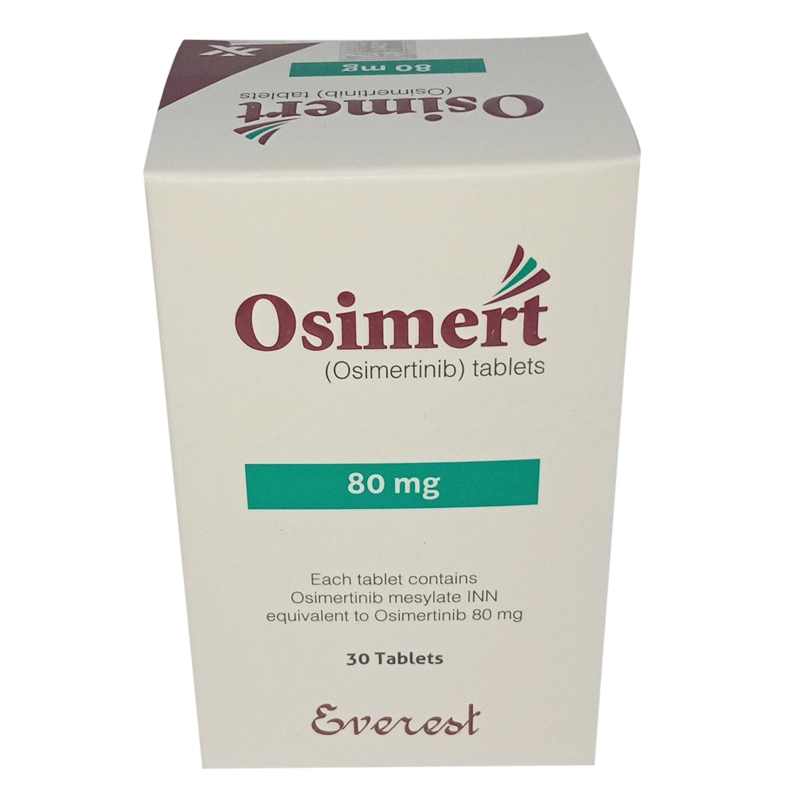
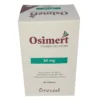
Osimert 80 mg (Osimertinib) | Tagrisso Alternative
- Used for: Osimert 80 mg is a targeted tyrosine kinase inhibitor used for the treatment of non-small cell lung cancer (NSCLC) in patients with specific EGFR mutations.
- Availability: In Stock
- Shipping: Express Global Shipping (7-14 days depending on region).
- Requirement: Valid prescription from a licensed healthcare provider required.
✓ WHO GMP Certified
✓ Reviewed By Medical Expert
✓ Batch Examined in Lab
Need Patient Access Support?
Our team provides verified global sourcing assistance to help you navigate international shipping and prescription requirements safely.
Osimert 80 mg is a highly selective, third-generation epidermal growth factor receptor (EGFR) tyrosine kinase inhibitor (TKI). Its active pharmaceutical ingredient, Osimertinib, is specifically engineered to bind irreversibly to certain mutant forms of EGFR, including T790M, exon 19 deletions, and exon 21 L858R mutations. It is indicated as a first-line treatment for patients with metastatic non-small cell lung cancer (NSCLC) whose tumors have specific EGFR mutations, as adjuvant therapy after tumor resection, and for patients progressing on or after prior EGFR TKI therapy due to the T790M resistance mutation. Manufactured by Everest Pharmaceutical, Osimert provides a bioequivalent, cost-effective alternative to the innovator brand Tagrisso.
Clinical Experience of Medical Expert
“In clinical oncology, managing EGFR-mutated non-small cell lung cancer presents a continuous challenge of acquired resistance. First- and second-generation TKIs invariably exert selective pressure, often leading to the emergence of the T790M mutation. Osimertinib fundamentally altered our approach to this resistance pattern. By targeting both sensitizing mutations and the T790M variant while sparing wild-type EGFR, we see robust central nervous system (CNS) penetration and significant improvements in overall survival.
However, the reality of global oncology practice is that the most advanced targeted therapies are frequently inaccessible due to prohibitive costs. This is where high-quality generic equivalents like Osimert play a critical role. When manufactured under strict WHO-GMP protocols, Osimert 80 mg delivers the precise bioequivalence of the innovator molecule. From a clinical standpoint, integrating an accessible, high-fidelity generic allows us to maintain strict adherence to NCCN guidelines without subjecting patients to catastrophic financial toxicity. It ensures that the clinical outcomes we expect from the data are realized in everyday practice.” -Dr. Salma Elreedy
FDA Approved Clinical Uses, Safety Management, and Dosage Administration
Precise Indications & Diagnostics
Osimert is indicated for NSCLC. Treatment initiation requires confirmation of specific EGFR mutations (exon 19 deletions, exon 21 L858R, or T790M) in tumor tissue or plasma specimens using an FDA-approved or equivalent companion diagnostic test.
Mechanism & Pharmacokinetics (ADME)
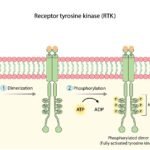
Osimertinib forms a covalent bond with the C797 residue at the ATP binding site of the mutated EGFR.
- Absorption: Peak plasma concentrations achieved in 6 hours. Absolute bioavailability is approximately 70%.
- Distribution: Highly bound to plasma proteins (approximately 94.7%). Demonstrates significant blood-brain barrier penetration.
- Metabolism: Primarily hepatic via CYP3A4, producing two pharmacologically active metabolites (AZ7550 and AZ5104).
- Excretion: Primarily eliminated via feces (68%) and urine (14%).
- Half-life: Approximately 48 hours, allowing for once-daily dosing.
Dosage & Adverse Event (AE) Management
Baseline Dosing: The recommended dose is Osimert 80 mg orally once daily, with or without food, until disease progression or unacceptable toxicity.
| Toxicity Category | Clinical Presentation / Grade | Management Protocol (Dose Interruption, Reduction, or Discontinuation) |
|---|---|---|
| Interstitial Lung Disease (ILD) / Pneumonitis | Grade 1-4 | Permanently discontinue Osimert for any grade of confirmed ILD or pneumonitis. |
| QTc Prolongation | QTc > 500 msec on at least 2 separate ECGs | Withhold Osimert until QTc is < 481 msec or recovery to baseline. Resume at 40 mg daily. |
| QTc Prolongation | QTc prolongation with life-threatening arrhythmia | Permanently discontinue Osimert. |
| Cardiomyopathy | Asymptomatic, absolute LVEF decrease of 10% from baseline and < 50% | Withhold Osimert up to 3 weeks. If LVEF improves, resume at 80 mg or 40 mg. If no improvement, permanently discontinue. |
| Dermatologic Toxicity | Grade 3 or 4 (Targeted lesions, Stevens-Johnson Syndrome) | Withhold Osimert up to 3 weeks. Upon recovery to Grade 0-2, resume at 80 mg or 40 mg. If no recovery, discontinue permanently. |
| Cardiomyopathy | Symptomatic congestive heart failure | Permanently discontinue Osimert. |
Drug-Drug Interaction Matrix
| Interacting Drug Class | Pharmacokinetic Effect | Actionable Clinical Guidance |
|---|---|---|
| Strong CYP3A4 Inducers (e.g., Rifampin, Phenytoin, St. John’s Wort) | Decreases osimertinib exposure | Avoid concomitant use. If unavoidable, increase Osimert dose to 160 mg daily during co-administration. |
| Strong CYP3A4 Inhibitors (e.g., Itraconazole, Ketoconazole, Clarithromycin) | Increases osimertinib exposure | Avoid concomitant use. If necessary, monitor closely for toxicity (e.g., QTc prolongation, cardiomyopathy). |
| QTc Prolonging Agents (e.g., Amiodarone, Haloperidol, Moxifloxacin) | Additive risk of QTc prolongation | Avoid concomitant use. If unavoidable, conduct frequent ECG and electrolyte monitoring. |
Clinical Efficacy & Real-World Data (RWE)
Clinical trust in Osimertinib is grounded in landmark Phase III trials:
- FLAURA Trial (First-Line): Demonstrated a Median Overall Survival (OS) of 38.6 months for osimertinib vs. 31.8 months for standard EGFR-TKIs (Hazard Ratio [HR] = 0.80). Progression-Free Survival (PFS) was 18.9 months vs. 10.2 months.
- ADAURA Trial (Adjuvant): Showed an 80% reduction in the risk of disease recurrence or death (HR = 0.20) in patients with Stage IB-IIIA NSCLC.
- Real-World Evidence (RWE): Post-marketing studies confirm that in diverse, unselected clinical populations, median PFS remains consistent with trial data (ranging from 17 to 19 months), affirming its efficacy outside controlled environments.
Precautions & Special Populations
- Pregnancy & Embryo-Fetal Toxicity: Can cause fetal harm. Verify pregnancy status prior to initiation. Females of reproductive potential must use effective contraception during treatment and for 6 weeks after the final dose. Males with female partners of reproductive potential must use effective contraception during treatment and for 4 months following the final dose.
- Lactation: Advise women not to breastfeed during treatment and for 2 weeks after the final dose.
- Pediatric Use: Safety and effectiveness have not been established.
- Geriatric Use: No overall differences in safety or efficacy were observed between patients aged 65 and older and younger patients.
- Renal/Hepatic Impairment: No dose adjustment is recommended for mild to moderate renal impairment or mild to moderate hepatic impairment. Use caution in severe impairment as specific clearance parameters are not fully established.
- Storage Logistics: Store at 20°C to 25°C (68°F to 77°F). Excursions are permitted between 15°C and 30°C (59°F to 86°F). No strict cold-chain requirement is necessary.
Manufacturing Quality Assurance, Global Access, Innovator Brand vs Generic Brand
Everest Pharmaceuticals Manufacturing Insights
Osimert is produced by Everest Pharmaceutical, a facility adhering strictly to WHO-GMP (Good Manufacturing Practice) standards and holding multiple ISO certifications. To achieve regulatory clearance, Everest Pharmaceutical conducts rigorous, internationally audited bioequivalence testing. This ensures that the pharmacokinetic profile (AUC, Cmax, Tmax) of Osimert perfectly matches the innovator brand, guaranteeing identical safety and clinical efficacy for the patient.
Global Access & Osimert 80 mg Price Advantages via NPP
For patients in regions where Osimert is not yet locally registered, legal importation is possible through the Named Patient Program (YMYL Compliant). Step-by-Step Documentation Required:
- Prescription: A valid, legally binding prescription from a local, board-certified oncologist.
- Letter of Medical Necessity: A formal letter from the treating physician explaining why this specific targeted therapy is required and why local alternatives are insufficient.
- Patient ID/Passport: Government-issued identification for the patient.
- Import Permit: Depending on the destination country, approval from the local Ministry of Health or customs authority for personal-use medication.
Tagrisso vs Osimert Head-to-Head Comparison
| Metric | Innovator Brand (Tagrisso) | Generic Equivalent (Osimert) |
|---|---|---|
| Active Pharmaceutical Ingredient | Osimertinib mesylate | Osimertinib mesylate |
| Dosage Form & Strength | Film-coated tablets (40 mg, 80 mg) | Film-coated tablets (80 mg) |
| Primary Indication | EGFR-mutated NSCLC | EGFR-mutated NSCLC |
| Therapeutic Equivalence | Reference Standard | Bioequivalent |
| Manufacturer | AstraZeneca | Everest Pharmaceutical |
Frequently Asked Questions (FAQs)
What is Osimert 80 mg used for?
Osimert 80 mg is a targeted cancer therapy used to treat non-small cell lung cancer (NSCLC). It is prescribed specifically for patients whose tumors have distinct genetic mutations in the epidermal growth factor receptor (EGFR) gene, including exon 19 deletions, L858R mutations, or the T790M resistance mutation.
How does the Osimert 80 mg price compare to the brand-name version?
The Osimert 80 mg price is significantly lower than the innovator brand (Tagrisso). Because it is a generic equivalent manufactured by Everest Pharmaceutical in Bangladesh, it offers the exact same active ingredient and clinical efficacy without the premium pricing associated with originator research and development costs.
What are the most common side effects of Osimert?
Common adverse events include diarrhea, rash, dry skin, nail toxicity, and fatigue. More severe, though less common, side effects require immediate medical attention, including Interstitial Lung Disease (ILD) causing breathing difficulties, and heart-related issues such as QTc prolongation or decreased heart pumping function.
How should I take Osimert 80?
You should take Osimert 80 exactly as prescribed by your oncologist. The standard dose is one 80 mg tablet taken orally once a day. It can be taken with or without food. Do not crush, split, or chew the tablet.
Can I take other medications while using Osimert?
Certain drugs can interact dangerously with Osimertinib. You must inform your doctor about all medications, supplements, and herbal products you take, especially St. John’s Wort, antibiotics (like clarithromycin), antifungals, and medications for heart rhythm disorders, as they can alter the drug’s effectiveness or increase toxicity.
How can I safely access Osimert if it is not approved in my country?
Patients can legally access Osimert through a global Named Patient Program (NPP). This process requires direct coordination with an authorized supplier and specific medical documentation, including a prescription from your oncologist, a Letter of Medical Necessity, and compliance with your local customs and health ministry regulations for personal medication importation.
Related products

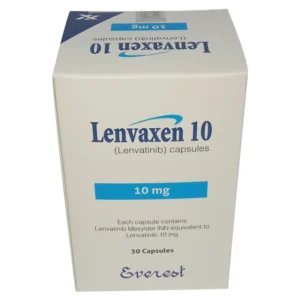
Lenvaxen 10 mg (Lenvatinib) Capsule | Thyroid Cancer Therapy
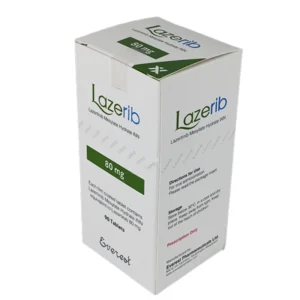
Request PriceLazerib 80 mg (Lazertinib) 90 Tablets: Lazcluze Alternative Price and Global Access Guide
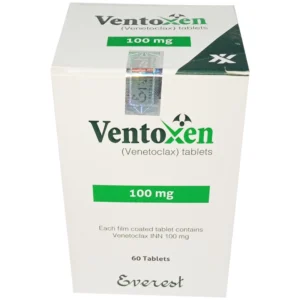
Request PriceVentoxen 100 mg (Venetoclax): Clinical Profile and Venclexta Alternative
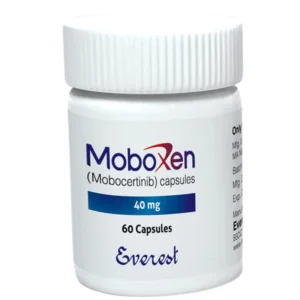
Request PriceMoboxen 40 mg (Mobocertinib) 60 Capsule: Patient Access & Price
Request Price