Prescription required. We facilitate access to medicines already prescribed by your treating physician. We do not provide medical advice or diagnoses.


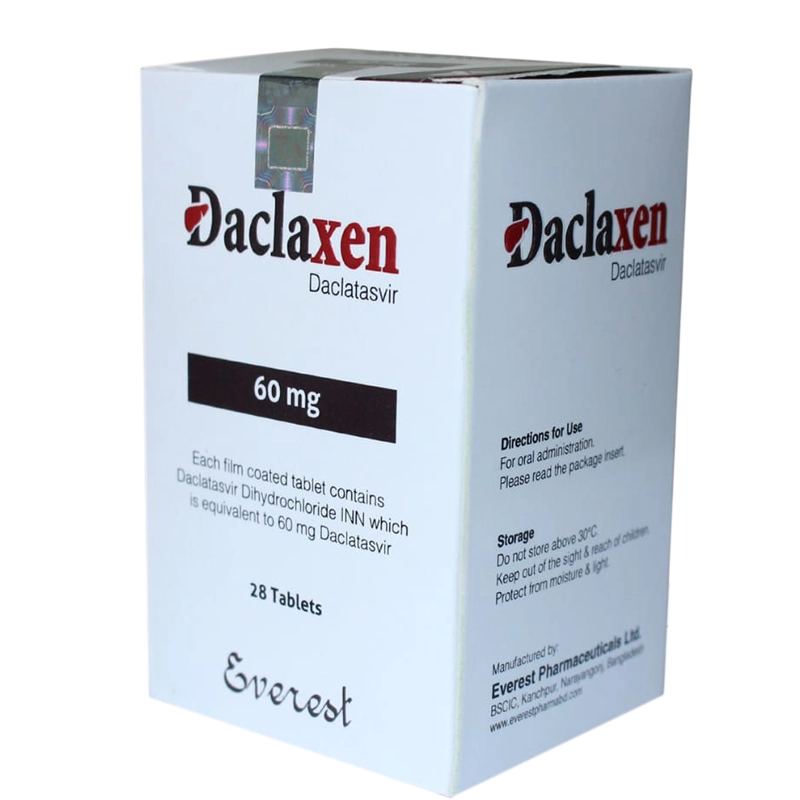
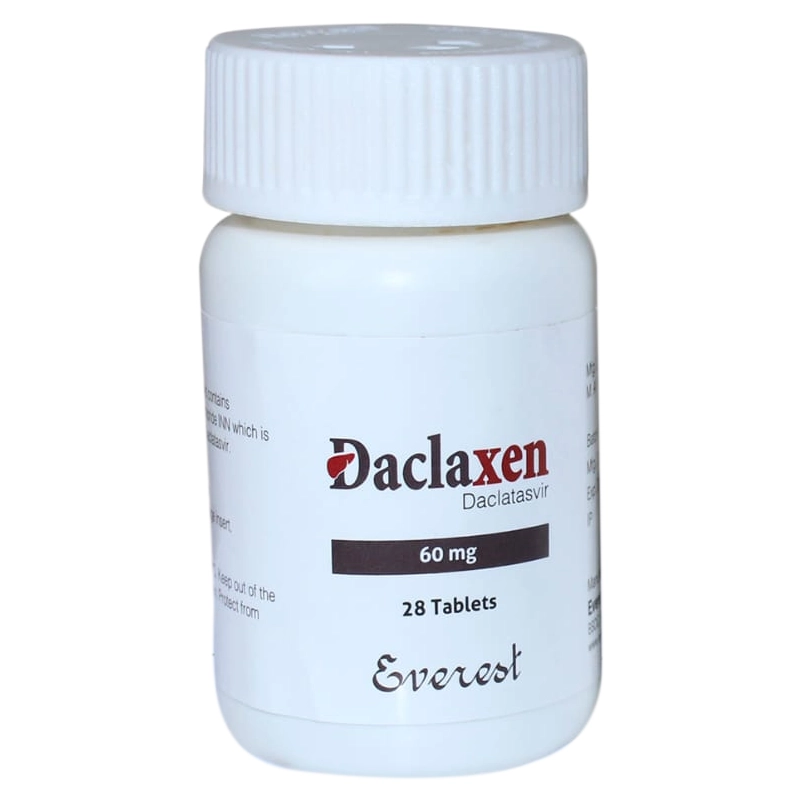
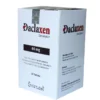
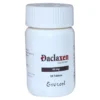
Daclaxen 60 mg (Daclatasvir) 28 Tablets
- Used for: Direct-acting antiviral (DAA) indicated for the treatment of chronic hepatitis C virus (HCV) genotypes 1, 3, or 4.
- Availability: In Stock
- Shipping: Express Global Shipping (7-14 days depending on region).
- Requirement: Valid prescription from a licensed healthcare provider required.
✓ WHO GMP Certified
✓ Reviewed By Medical Expert
✓ Batch Examined in Lab
Need Patient Access Support?
Our team provides verified global sourcing assistance to help you navigate international shipping and prescription requirements safely.
Daclaxen 60 mg, containing the active pharmaceutical ingredient Daclatasvir, is a potent direct-acting antiviral (DAA) and the generic equivalent of the innovator brand Daklinza. It is classified as an NS5A replication complex inhibitor. In the management of chronic Hepatitis C virus (HCV) infection, Daclaxen is utilized as a foundational component of combination therapy, often alongside other antivirals like Sofosbuvir. By specifically targeting the viral protein responsible for RNA replication and assembly, Daclatasvir helps achieve a sustained virologic response (SVR), effectively clearing the virus from the patient’s system. Daclatasvir is indicated for the treatment of chronic Hepatitis C virus (HCV) infection in adults. According to guidelines from the FDA and EMA: HCV requires a non-structural protein called NS5A to replicate its genetic material and assemble new viral particles. Without functional NS5A, the virus cannot reproduce or spread to healthy liver cells. Daclatasvir is a highly selective inhibitor of the HCV NS5A protein. It binds to the N-terminus of the protein, causing a conformational change that disrupts the assembly of the replication complex. This targeted inhibition results in a rapid decline in viral RNA levels and prevents the formation of new infectious virions. The administration of Daclaxen follows a strictly defined daily schedule to ensure maximum viral suppression: Consistency: The tablet must be swallowed whole. Do not crush or chew it. Treatment duration is typically 12 or 24 weeks depending on the genotype and the presence of cirrhosis. The efficacy of Daclatasvir is grounded in the ALLY trial series, documented on ClinicalTrials.gov and published in the New England Journal of Medicine (NEJM): Daclatasvir is generally well-tolerated when used alone, but since it is always used in combination, side effects often reflect the broader regimen. Based on reporting from the FDA and Medscape: Daclaxen 60 mg tablets are stable at room temperature and do not require cold chain refrigeration. Transit Integrity: Certified pharmaceutical exporters utilize climate-controlled logistics to ensure the medication is not subjected to extreme heat during international transit, preserving the drug’s molecular stability. Daclaxen 60 mg is manufactured by Everest Pharmaceuticals. In the sphere of global health, manufacturing transparency is the bedrock of patient trust. Everest Pharmaceuticals operates under strict WHO GMP (World Health Organization Good Manufacturing Practices) and ICH guidelines. Their facility utilizes high-precision technology and rigorous batch-testing to ensure that every tablet is bioequivalent to the innovator brand (Daklinza), providing the same purity and clinical efficacy. Accessing specialized antiviral therapy internationally is a legally governed process. Patients can access Daclaxen 60 mg through verified pharmaceutical exporters under “Personal Use Importation” or “Named Patient” rules. A valid prescription from a licensed physician or hepatologist is a mandatory requirement. Most national health ministries permit the legal importation of life-saving medicines if they are not available locally or if the generic version is more accessible. This process ensures the patient receives the necessary treatment while remaining under professional medical supervision. Yes. Daclaxen contains Daclatasvir, the identical active pharmaceutical ingredient as Daklinza. Manufactured under WHO GMP standards, it is clinically bioequivalent, ensuring that it inhibits the NS5A protein with the same potency and mechanism as the original version. No. Daclatasvir must always be used in combination with other antiviral medications (like Sofosbuvir). Using it alone can lead to the virus developing resistance, making the infection harder to treat. If you miss a dose, take it as soon as you remember if it is within 20 hours of the scheduled time. If more than 20 hours have passed, skip the missed dose and take the next dose at the regular time. Never “double up” to catch up. Direct-acting antivirals like Daclaxen can sometimes cause the Hepatitis B virus to become active again if you have previously been exposed to it. This can lead to sudden, severe liver inflammation, so screening is a mandatory safety step. Your doctor will perform blood tests to measure the “viral load” (the amount of virus in your blood). Usually, the virus becomes undetectable within the first few weeks of treatment. A successful cure is confirmed 12 weeks after the treatment is finished (SVR12).Daclaxen 60 mg Prescribing information & Clinical Guide
What are the primary clinical indications for Daclaxen 60 mg?
How does Daclatasvir target the virus at a molecular level?
What is the recommended dosage and administration?
What does the clinical evidence show regarding its effectiveness?
Safety, Side Effects, and Monitoring
What are the potential side effects associated with treatment?
Are there significant clinical risks requiring monitoring?
Storage Data and Environmental Stability
Manufacturer Quality and Trust
Global Access to Daclatasvir
Frequently Asked Questions (FAQs)
Is Daclaxen 60 mg clinically equivalent to Daklinza?
Can Daclaxen be taken as a standalone treatment for Hepatitis C?
What should I do if I miss a dose?
Why is it important to check for Hepatitis B before starting?
How do I know if the treatment is working?
Related products

Capixet 500 mg Tablet (Capecitabine)
Request PriceNiranib 100 mg (Niraparib) 30 Capsules
Request PriceProstaxen 60 mg Tablet (Apalutamide): Clinical Data, Safety Protocols, & Global Price
Request PriceResiliva 80 mg Tablet (Resmetirom)| Global Acces Named Patient Guide to Generic Rezdiffra
Request Price