Prescription required. We facilitate access to medicines already prescribed by your treating physician. We do not provide medical advice or diagnoses.


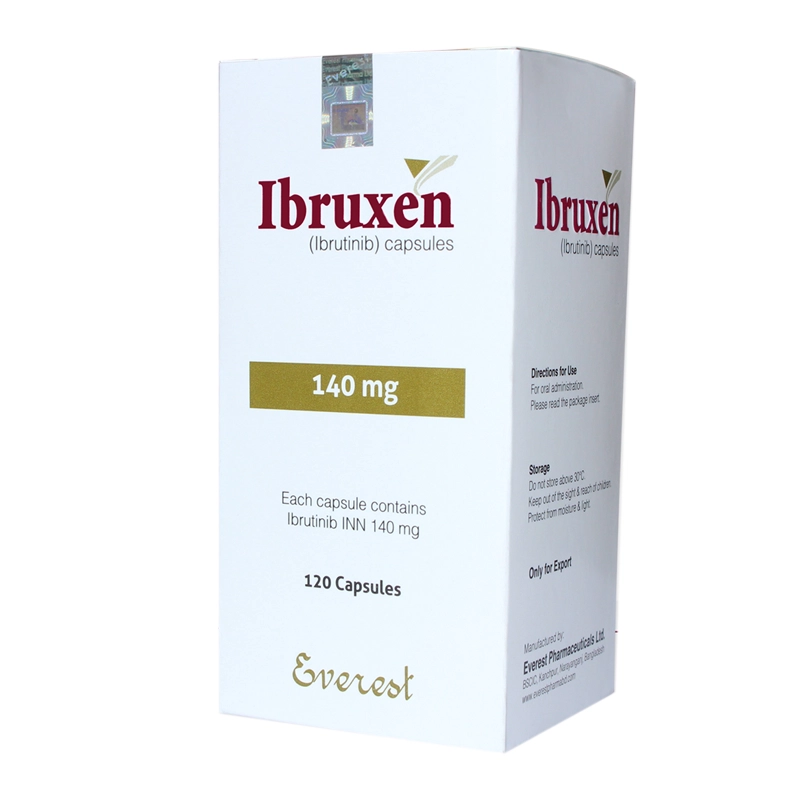
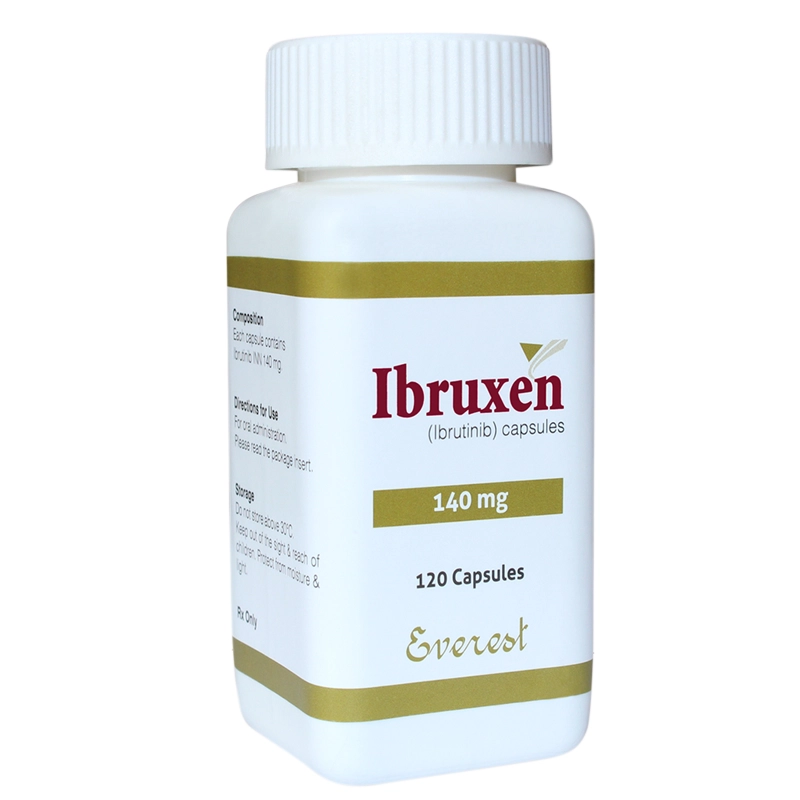

Ibruxen 140 mg Capsules
- Used for: Ibrutinib — Bruton’s Tyrosine Kinase (BTK) Inhibitor for CLL, SLL, Waldenström Macroglobulinemia & cGVHD
- Availability: In Stock
- Shipping: Express Global Shipping (7-14 days depending on region).
- Requirement: Valid prescription from a licensed healthcare provider required.
✓ WHO GMP Certified
✓ Reviewed By Medical Expert
✓ Batch Examined in Lab
Need Patient Access Support?
Our team provides verified global sourcing assistance to help you navigate international shipping and prescription requirements safely.
About the Manufacturer: Everest Pharmaceuticals Ltd.
Everest Pharmaceuticals Ltd. is a Bangladesh-based pharmaceutical company with a dedicated focus on oncology, hematology, nephrology, and virology. Its GMP-compliant manufacturing plant is located at BSCIC Kachnpur, Sonargaon, Narayanganj, Bangladesh. Everest holds WHO-GMP certification and ISO 9001:2015 quality management accreditation, and exports medicines to over 30 countries under Bangladesh’s TRIPS LDC exemption mandate. Verify the current WHO-GMP certificate number, issuing authority, and product-specific registrations directly with Everest at everestpharmabd.com before relying on this page for procurement decisions.
A Note on Sources
Clinical figures, dosing tables, trial data, and safety information on this page are drawn primarily from the approved FDA prescribing information for ibrutinib (Imbruvica, December 2024) — the most complete publicly verifiable dataset for this active ingredient. Ibrutinib is a small-molecule drug, not a biologic, so the relevant quality standard for a generic version is pharmacokinetic bioequivalence (matched Cmax, AUC, Tmax), not biosimilarity. Where a figure is confirmed specific to Ibruxen rather than the originator brand, this page says so explicitly.
⚠ Important — Withdrawn Indications (US FDA, December 2023)
On 6 April 2023, ibrutinib’s manufacturers (Janssen and Pharmacyclics, an AbbVie company) voluntarily withdrew two of the drug’s U.S. indications: mantle cell lymphoma (MCL) in patients who had received at least one prior therapy, and marginal zone lymphoma (MZL) in patients requiring systemic therapy who had received at least one prior anti-CD20-based therapy.
Both indications had originally been granted under the FDA’s accelerated-approval pathway on the basis of overall response rate in Phase 2 studies. The Phase 3 confirmatory trials required to convert them to full approval — SHINE in MCL and SELENE in MZL — did not produce data sufficient to support full approval, so the accelerated approvals were withdrawn. This was a regulatory decision tied to accelerated-approval requirements; it was not prompted by a new safety concern, and no new drug-related risks were identified.
Scope: This withdrawal applies only to the MCL and MZL indications in the United States. It does not affect ibrutinib’s approved use in chronic lymphocytic leukaemia (CLL) / small lymphocytic lymphoma (SLL), Waldenström’s macroglobulinaemia, or chronic graft-versus-host disease. Patients currently receiving ibrutinib for any indication should not stop or change treatment on their own and should discuss any questions with their treating haematologist or oncologist.
1. What Is Ibruxen?
Ibruxen 140 mg (capsules) is a targeted cancer medicine. Its active ingredient is ibrutinib, a small-molecule drug belonging to the class of Bruton’s tyrosine kinase (BTK) inhibitors. It is manufactured by Everest Pharmaceuticals Ltd. in Bangladesh, and contains the same active ingredient as the originator brand Imbruvica, developed by Pharmacyclics and currently marketed by AbbVie.
A Note on “Generic” for Small-Molecule Drugs
Because ibrutinib is a small molecule, a generic version approved through the standard pharmacokinetic pathway must demonstrate matching blood levels (Cmax, AUC, Tmax) versus the reference brand in human comparative studies. This is a more straightforward standard than the biosimilarity pathway required for biologic medicines. Before relying on Ibruxen, ask your pharmacist or Everest Pharmaceuticals directly whether a formally published bioequivalence study comparing Ibruxen to Imbruvica exists, and ask for the specific regulatory approval and registration number for your country.
2. What Is Ibruxen Used For?
The table below shows currently active FDA-approved indications for ibrutinib, based on the Imbruvica prescribing information (December 2024). Confirm which indications are approved for Ibruxen specifically in your country with Everest Pharmaceuticals and your national medicines regulator.
| Indication | Typical combination | Setting | Confirmed for Ibruxen? |
|---|---|---|---|
| Chronic lymphocytic leukemia (CLL) / Small lymphocytic lymphoma (SLL) | Monotherapy or with obinutuzumab / rituximab | First-line and relapsed/refractory | Yes — manufacturer listed |
| CLL/SLL with 17p deletion (high-risk subgroup) | Monotherapy or combination as above | First-line and relapsed/refractory | Yes — manufacturer listed |
| Waldenström’s macroglobulinemia (WM) | Monotherapy or with rituximab | First-line and relapsed/refractory | Confirm with Everest + local regulator |
| Chronic graft-versus-host disease (cGVHD) — adults and children ≥1 year | Monotherapy | After failure of ≥1 prior systemic therapy | Confirm with Everest + local regulator |
| Mantle cell lymphoma (MCL) | — | US FDA approval withdrawn December 2023 | Not currently valid — see notice above |
| Marginal zone lymphoma (MZL) | — | US FDA approval withdrawn December 2023 | Not currently valid — see notice above |
Confirm Before Use Regulatory approvals for generic medicines can be narrower than the originator’s full label and vary by country. Always confirm which indications Ibruxen is registered for in your specific country before starting treatment.
3. How Does Ibruxen Work?
Every B-cell — including cancerous ones — carries a protein called BTK (Bruton’s tyrosine kinase) that acts as a relay switch. When a B-cell receives a “survive and multiply” signal from outside, BTK passes that signal inward. In blood cancers like CLL and Waldenström’s macroglobulinemia, this pathway is abnormally active, keeping cancer cells alive far longer than they should be.
Ibrutinib permanently locks onto BTK and switches it off. Because it forms a covalent (irreversible) bond with a specific site on BTK — a residue called cysteine 481 — it doesn’t simply slow the signal down; it permanently deactivates that particular BTK molecule. Without a functioning BTK relay, cancer B-cells lose their survival signal and stop proliferating.
This is why ibrutinib is a targeted therapy, not chemotherapy. It specifically disrupts a pathway cancer B-cells depend on, rather than attacking all rapidly dividing cells. Patients take it as a daily oral capsule at home, continuously, not in cycles at an infusion centre.
“Ibrutinib transformed the treatment landscape for CLL, particularly for patients with high-risk features like 17p deletion, who historically responded poorly to standard chemoimmunotherapy. But ibrutinib requires a different kind of vigilance than most oral cancer medicines. The cardiac side effects — atrial fibrillation above all — can appear months or even years into treatment, not just at the beginning. I always assess a patient’s baseline cardiac history and blood pressure before starting, and I keep monitoring throughout. The bleeding risk is also real and tends to be underestimated: it’s not just about serious haemorrhage, it’s about the everyday bruising and nosebleeds that patients stop mentioning because they get used to them — and then they take an anticoagulant for an unrelated reason and things escalate quickly. Every new prescription the patient receives, from any doctor, must be reviewed in the context of ibrutinib.”
— Dr. Salma Mamdouh Elreedy, Clinical Oncologist, Sphinx Cure Oncology Center
5. Dosing and Administration
Standard doses
| Indication | Daily dose | Capsules (140 mg each) | Schedule |
|---|---|---|---|
| CLL / SLL / Waldenström’s macroglobulinemia | 420 mg once daily | 3 capsules once daily | Continuous; same time each day |
| Chronic graft-versus-host disease (cGVHD) | 420 mg once daily | 3 capsules once daily | Continuous until disease recurrence or unacceptable toxicity |
How to take Ibruxen capsules
- Swallow capsules whole with a full glass of water. Do not open, break, or chew them.
- Take at the same time each day, with or without food. Consistency matters more than meal timing.
- If you miss a dose on the same calendar day, take it as soon as you remember. If the day has passed, skip it and resume your normal schedule the next day. Never double up.
- Do not eat grapefruit, drink grapefruit juice, or eat Seville (bitter) oranges during treatment — these raise ibrutinib blood levels significantly, increasing toxicity risk.
Hepatic impairment adjustments
| Hepatic function | Child-Pugh class | Recommended action |
|---|---|---|
| Normal / mild impairment | — / Class A | The FDA label recommends reducing to 140 mg daily for patients with mild hepatic impairment. |
| Moderate impairment | Class B | Reduce to 70 mg once daily. Monitor more frequently. |
| Severe impairment | Class C | Avoid use. Extensive hepatic metabolism causes dangerous drug accumulation. |
Dose modification for toxicity
| Toxicity | Grade / severity | Recommended action |
|---|---|---|
| Grade 3 non-haematologic toxicity | Grade 3 | Interrupt until resolved to Grade 1 or baseline, then resume at same dose (first event) or reduce one level (recurrent). |
| Grade 4 haematologic toxicity | Grade 4 | Interrupt until resolved to Grade 1 or baseline, then resume one dose level below. |
| Atrial fibrillation (new or worsening) | Any grade | Interrupt ibrutinib. Evaluate cardiac risk. Discuss with oncologist and cardiologist before restarting. Do not self-restart. |
| Major haemorrhage or intracranial bleed | Any grade | Interrupt immediately. Evaluate and treat. Discuss with oncologist whether to permanently discontinue. |
| Grade 4 non-haematologic toxicity | Grade 4 | Consider permanent discontinuation. |
Dose reduction sequence: 420 mg → 280 mg → 140 mg. A patient unable to tolerate 140 mg should permanently discontinue ibrutinib.
Never adjust your dose yourself
Dose changes must be directed by your oncologist based on laboratory results, blood pressure, and symptoms. Stopping ibrutinib abruptly without medical guidance can allow the cancer to progress rapidly.
6. Monitoring and Tests
Because ibrutinib affects the heart, blood cells, liver, and clotting throughout the body, your team will monitor you at baseline and continuously throughout treatment.
| What is checked | When | Why |
|---|---|---|
| Full blood count (CBC with differential) | Baseline, then monthly or as clinically indicated | Neutropenia, thrombocytopenia, and anaemia are common |
| Liver function tests (ALT, AST, bilirubin) | Baseline, then at least every 3 months | Ibrutinib is extensively liver-metabolised; hepatotoxicity has been reported |
| Cardiac assessment / ECG | Baseline, and whenever palpitations, breathlessness, or irregular heartbeat are reported | Atrial fibrillation and other cardiac arrhythmias are an established risk — see Section 7 |
| Blood pressure | Baseline and at every visit | Ibrutinib is associated with new or worsening hypertension, which amplifies cardiac risk |
| Bleeding signs (bruising, blood in stool/urine) | Every visit | Haemorrhage must be identified and escalated early |
| Infection symptoms | Every visit | Grade 3+ infections occur in ~21% of patients; opportunistic infections (PML, PJP) also reported |
| Pre-operative assessment | Before any planned surgery or procedure | Ibrutinib must be interrupted before surgery to reduce bleeding risk — see Section 11 |
7. Cardiac Warnings — Ibrutinib’s Signature Risk
Cardiac side effects are the single most clinically distinctive risk of ibrutinib. They can appear months or years into treatment, not just at the start, and they sometimes require coordination between your oncologist and a cardiologist.
Atrial Fibrillation (AF) — Most Common Cardiac Risk
Atrial fibrillation — an irregular, often rapid heartbeat — is the most common cardiac arrhythmia associated with ibrutinib. Incidence in the first 18 months is approximately 3–7%, rising to 9–16% in patients followed for up to 5 years. AF is one of the most common reasons patients stop ibrutinib entirely.
Report immediately: palpitations, irregular pulse, shortness of breath at rest or with minimal exertion, dizziness, chest discomfort, or unusual fatigue. Do not wait for your next scheduled visit.
Report immediately: palpitations, irregular pulse, shortness of breath at rest or with minimal exertion, dizziness, chest discomfort, or unusual fatigue. Do not wait for your next scheduled visit.
The AF-anticoagulation dilemma
Atrial fibrillation normally requires blood-thinning medicine (anticoagulants such as warfarin or a direct oral anticoagulant) to prevent stroke. However, ibrutinib independently increases the risk of bleeding throughout the body. Taking both at the same time significantly amplifies bleeding risk — a balance that must be managed by an oncologist working with a cardiologist or haematologist. If you develop AF while on Ibruxen, do not start any blood-thinning medicine without explicit direction from your treating team.
Other Serious Cardiac Events
Fatal and serious arrhythmias beyond AF — including ventricular arrhythmias — and cardiac failure have been reported in patients receiving ibrutinib. Sudden cardiac death, while rare, has occurred. Risk is higher in patients with pre-existing heart disease, hypertension, or diabetes. Your team must know your complete cardiac history before you start Ibruxen.
Hypertension
Ibrutinib can raise blood pressure, sometimes significantly. Uncontrolled hypertension is itself a risk factor for AF and cardiac failure. Blood pressure must be checked and managed throughout treatment — not only at baseline.
8. Other Warnings and Serious Risks
Haemorrhage (Bleeding) Fatal bleeding events have occurred.
Major haemorrhage (Grade 3+, including intracranial, gastrointestinal, and post-procedural) has occurred in approximately 4.2% of patients across clinical trials, with fatal events in ~0.4%. Even minor ongoing bleeding — frequent nosebleeds, easy bruising, blood in urine or stool — should always be reported to your team; it may signal a more serious event or become critical if surgery or a new medicine is added.
Serious Infections Grade 3 or higher infections occurred in ~21% of patients in clinical trials.
Two serious opportunistic infections have been reported: progressive multifocal leukoencephalopathy (PML), a potentially fatal brain infection, and Pneumocystis jirovecii pneumonia (PJP). Both are rare but life-threatening. Report new neurological symptoms, persistent cough, or difficulty breathing to your team immediately.
Second Primary Malignancies
Other cancers — including non-melanoma skin cancers — have been reported in patients on ibrutinib. Use sun protection and report any new or changing skin lesions.
Hepatotoxicity Serious liver toxicity, including liver failure, has been reported.
Monitor liver function at baseline and regularly throughout treatment. Report yellowing of the skin or eyes (jaundice), dark urine, or upper-right abdominal pain immediately.
Tumour Lysis Syndrome (TLS)
Rapid release of cell contents as cancer cells die has been reported in patients with high tumour burden starting ibrutinib. Your team will assess your risk before starting and may take preventive steps.
9. Side Effects
The most common adverse effects occurring in 30% or more of patients in CLL and WM clinical trials. This list is not exhaustive — review the full prescribing information with your oncologist.
Blood / Haematology
- Thrombocytopenia (low platelets) — up to 71%
- Neutropenia (low white cells) — up to 54%
- Anaemia — up to 44%
- Bruising / petechiae — up to 54%
Gastrointestinal
- Diarrhoea — up to 63%
- Nausea — up to 31%
- Constipation — up to 25%
- Abdominal pain — up to 24%
- Vomiting — up to 23%
Musculoskeletal & General
- Fatigue — up to 41%
- Musculoskeletal pain — up to 37%
- Peripheral oedema — up to 35%
- Muscle spasms — up to 14%
Respiratory & Infectious
- Upper respiratory infections — up to 48%
- Shortness of breath — up to 27%
- Cough — up to 19%
- Pneumonia — up to 14%
Skin
- Rash — up to 27%
- Skin infections — up to 14%
- Nosebleeds (epistaxis) — up to 11%
⚠ Seek urgent help immediately
- Palpitations, irregular heartbeat, chest pain
- Sudden shortness of breath
- Blood in stool, urine, or vomit
- Persistent fever or serious infection signs
- New neurological symptoms
- Jaundice (yellow eyes or skin)
10. Drug Interactions
Ibrutinib is metabolised primarily by the liver enzyme CYP3A4. Any medicine, food, or supplement that strongly affects CYP3A4 activity can significantly change how much ibrutinib reaches your bloodstream — raising toxicity or reducing effectiveness.
| Interaction type | Examples | What to do |
|---|---|---|
| Strong CYP3A4 inhibitors (raise ibrutinib levels — toxicity risk) | Ketoconazole, itraconazole, voriconazole, posaconazole, clarithromycin, ritonavir and other HIV protease inhibitors | Avoid. If short-term use is unavoidable (≤7 days), interrupt ibrutinib for the duration. For longer-term posaconazole/voriconazole, reduce ibrutinib to 70–140 mg under oncologist supervision. |
| Strong CYP3A4 inducers (reduce ibrutinib levels — efficacy risk) | Rifampicin, carbamazepine, phenytoin, St. John’s Wort | Avoid. These can reduce ibrutinib exposure so significantly that it may fail to control the cancer. St. John’s Wort must never be taken alongside ibrutinib. |
| Anticoagulants and antiplatelet agents | Warfarin, aspirin (high-dose), clopidogrel, rivaroxaban, apixaban, any DOAC | Extreme caution. Ibrutinib already increases bleeding risk; adding a blood thinner significantly compounds it. Any anticoagulation decision requires oncologist and ideally haematologist/cardiologist review. Warfarin requires very close monitoring. |
| Food and drink | Grapefruit, grapefruit juice, Seville (bitter) oranges | Avoid throughout treatment. These contain natural CYP3A4 inhibitors that raise ibrutinib blood levels unpredictably. |
| QT-prolonging medicines | Certain antiarrhythmics, antibiotics, antipsychotics — ask your team | Discuss with oncologist and pharmacist. Ibrutinib’s cardiac risks may be compounded. |
Always tell every prescriber you are on ibrutinib
Always tell every prescriber you are on ibrutinib This includes dentists, GPs, emergency doctors, and any specialist who is not your primary oncologist. Even short antibiotic or antifungal courses can interact significantly. Never start or stop any medication — including over-the-counter supplements — without checking with your oncology team first.
11. Surgery and Invasive Procedures
Ibrutinib must be interrupted before any surgery or invasive procedure. The recommended hold period is 3 to 7 days before and after, depending on the procedure type and your individual bleeding risk. Timing must be decided by your oncologist in consultation with your surgical team.
- Tell your oncology team about any planned surgery, dental extraction, or invasive procedure as early as possible — at least two weeks in advance.
- Tell the surgeon or dentist you are taking ibrutinib before any procedure takes place.
- Do not stop ibrutinib yourself — the timing and decision to resume must be coordinated by your oncologist.
- In emergency surgery, the anaesthesia and surgical team must be informed immediately.
Always tell every prescriber you are on ibrutinib
This differs from biologics such as bevacizumab, which require a 28-day pre-surgical hold. The window is shorter, but the exact timing still depends on the procedure and your clinical picture — your oncologist decides.
12. Special Populations
| Population | Guidance |
|---|---|
| Pregnancy | Ibrutinib can cause serious harm to a developing baby. Do not become pregnant during treatment. Women of childbearing potential must use effective contraception during treatment and for at least one month after the final dose. |
| Males — contraception | Men should avoid fathering a child during treatment and for at least one month after the final dose. |
| Breastfeeding | It is not known whether ibrutinib passes into breast milk. Breastfeeding should be discontinued during treatment due to potential risk to the infant. |
| Paediatric patients | Approved for children aged ≥1 year for cGVHD only, using weight-based (mg/m²) dosing under a specialist paediatric haematologist-oncologist. Not established in children for CLL, SLL, or WM. |
| Elderly (≥65 years) | No overall difference in efficacy vs. younger adults, but older patients have a higher baseline risk of AF, bleeding events, and cardiovascular complications on ibrutinib. Full cardiac baseline assessment is especially important. |
| Renal impairment | No dose adjustment required for mild to severe renal impairment (CrCl ≥15 mL/min). Not formally studied in patients on dialysis. |
| Hepatic impairment | See Section 5 dose table. Mild: no change. Moderate (Child-Pugh B): 70 mg/day. Severe (Child-Pugh C): avoid use. |
13. Clinical Evidence
Ibrutinib’s approvals are supported by multiple Phase 2 and Phase 3 trials reviewed by the FDA. Key pivotal results below.
57%
Reduction in risk of death vs. ofatumumab in relapsed/refractory CLL
RESONATE (Phase 3)
NR
Median PFS not reached in ibrutinib arm (vs. 8.1 months comparator)
RESONATE — CLL/SLL
75%
Reduction in progression or death risk vs. placebo + rituximab in WM
INNOVATE (Phase 3)
| Trial / setting | Comparison | Key result |
|---|---|---|
| RESONATE (Phase 3) — Relapsed/refractory CLL/SLL | Ibrutinib 420 mg/day vs. ofatumumab | Ibrutinib reduced risk of progression or death by 78% (HR 0.22); reduced risk of death by 57% (HR 0.43). Median PFS not reached vs. 8.1 months. |
| RESONATE-2 (Phase 3) — Treatment-naïve CLL/SLL, first-line | Ibrutinib vs. chlorambucil | Sustained PFS and OS benefit at 5-year follow-up regardless of high-risk cytogenetics. Established ibrutinib as a standard first-line option. |
| INNOVATE (Phase 3) — Waldenström’s macroglobulinemia | Ibrutinib + rituximab vs. placebo + rituximab | Reduced risk of progression or death by 75% (HR 0.25; P <0.0001). Median PFS not reached in ibrutinib arm vs. 20.3 months in control. |
| iMAGINE (Phase 2/3) — cGVHD, paediatric | Ibrutinib in patients ≥1 year after prior systemic therapy failure | Encouraging response rates and sustained disease control; supported FDA paediatric cGVHD approval in 2022. |
Important context
Ibrutinib is not generally curative in advanced or metastatic blood cancers. In most approved uses, it is given to control disease, slow progression, and extend survival. The realistic goal of treatment — whether control, remission, or another endpoint — is a conversation to have directly with your oncologist based on your specific diagnosis, stage, and other health factors.
14. Ibruxen vs. Imbruvica — What Is the Same, What to Ask
| Question | Answer |
|---|---|
| Same active ingredient? | Yes. Both Ibruxen and Imbruvica contain ibrutinib. |
| Same mechanism of action? | Yes. Both permanently block BTK by the same covalent binding mechanism. |
| Is ibrutinib a biologic requiring a biosimilarity study? | No. Ibrutinib is a small molecule. The relevant standard for a generic is pharmacokinetic bioequivalence — matching Cmax, AUC, and Tmax in human comparative studies. This is a well-established regulatory pathway. |
| Has a published bioequivalence study for Ibruxen been confirmed? | [DATA NOT CONFIRMED — ask Everest Pharmaceuticals directly for the study reference, approval authority, and registration number. A published, independently verifiable BE study is the key question to resolve before assuming clinical equivalence.] |
| What is Everest Pharmaceuticals’ quality standing? | WHO-GMP certified, ISO 9001:2015 accredited, exports to 30+ countries. This is a meaningful manufacturing quality signal — but facility certification is not the same as a product-specific bioequivalence study. |
| What regulatory pathway was Ibruxen approved through in Bangladesh? | [DATA NOT CONFIRMED — confirm the specific approval pathway, approving authority, and DGDA registration number with Everest Pharmaceuticals.] |
| Is Ibruxen typically lower cost than Imbruvica? | Generic ibrutinib from Bangladeshi manufacturers is significantly less expensive than the originator brand in most markets. Exact pricing depends on country, healthcare coverage, and sourcing channel. Confirm current pricing with your treatment centre or Generic Oncology’s sourcing team. |
If you or your oncologist are considering switching between Ibruxen and Imbruvica, or starting either for the first time, document this clearly in your medical records and ensure your monitoring plan accounts for the transition. Consistency in the brand and dose used is good clinical practice unless there is a specific reason to switch.
If you or your oncologist are considering switching between Ibruxen and Imbruvica, or starting either for the first time, document this clearly in your medical records and ensure your monitoring plan accounts for the transition. Consistency in the brand and dose used is good clinical practice unless there is a specific reason to switch.
Named Patient Program Access
Ready to source Ibruxen for your patient?
Generic Oncology facilitates access to WHO-GMP certified ibrutinib for oncology centres, hospital pharmacies, and treatment coordinators globally — with batch-level traceability back to Everest Pharmaceuticals.
Step 1
Submit your request
Share the prescription, diagnosis, and country. Takes under 5 minutes.
Step 2
Verification & quote
Our team confirms eligibility, sourcing, and sends a price quote within 24–48 hours.
Step 3
Dispensed to your centre
Ibruxen is shipped with full batch documentation to your oncology centre or hospital pharmacy — never directly to a patient at home.
WHO-GMP certified manufacturer
Named Patient Program framework
Batch-level traceability
Valid prescription required
WHO-GMP certified manufacturer
15. Storage and Handling
- Store at controlled room temperature, 20°C to 25°C (68°F to 77°F). Brief excursions between 15°C and 30°C are generally permitted.
- Keep capsules in the original packaging to protect from moisture and light.
- No cold-chain storage is required — ibrutinib is a small-molecule oral capsule with standard room-temperature stability, unlike injectable biologics.
- Keep out of reach of children.
- Do not use expired capsules. Dispose of unused Ibruxen capsules according to local pharmaceutical waste guidance for cytotoxic medicines — do not dispose of in household rubbish or down the drain.
16. Patient FAQ
My heart is beating irregularly. Should I stop taking Ibruxen?
Do not stop ibrutinib on your own. Contact your oncology team the same day if you notice an irregular or rapid heartbeat, palpitations, shortness of breath, or dizziness. Atrial fibrillation is a known risk of ibrutinib, and your team will assess whether to interrupt treatment, adjust your dose, or refer you to a cardiologist. Stopping ibrutinib abruptly without medical guidance can allow the cancer to progress.
I need a blood-thinning medicine for another condition. Is that safe with Ibruxen?
Only under very careful medical supervision. Ibrutinib independently increases bleeding risk. Adding an anticoagulant significantly compounds that risk. This combination must be evaluated by your oncologist — and often a haematologist or cardiologist — who will weigh stroke-prevention benefit against increased bleeding risk before deciding how to proceed.
Can I eat grapefruit while taking Ibruxen?
No. Grapefruit, grapefruit juice, and Seville (bitter) oranges contain compounds that inhibit CYP3A4, the liver enzyme responsible for breaking down ibrutinib. Consuming them can raise ibrutinib levels significantly, increasing the risk of serious side effects. This applies for the entire duration of treatment.
What if I miss a dose?
If it is still the same calendar day, take it as soon as you remember. If the day has passed, skip it and resume your normal schedule the next day. Never take a double dose. A single missed dose is very unlikely to cause a clinical problem given ibrutinib’s long half-life, but consistency matters for long-term disease control.
I have surgery coming up. How far in advance should I tell my team?
As soon as the surgery is planned — at least two weeks before if possible. Ibrutinib needs to be interrupted 3–7 days before surgery to reduce serious bleeding risk. Your oncologist decides the timing; do not stop ibrutinib yourself without instruction.
Is Ibruxen as effective as Imbruvica?
Ibruxen contains the same active ingredient as Imbruvica. Whether a formally published bioequivalence study confirming matched blood levels for Ibruxen specifically has been completed is not confirmed in the material reviewed for this page — ask Everest Pharmaceuticals or your oncologist directly for that evidence before assuming the two products perform identically.
I heard ibrutinib was approved for mantle cell lymphoma. Is Ibruxen available for that?
Not under the current US FDA label. The FDA approval for MCL was voluntarily withdrawn in December 2023 after a confirmatory Phase 3 trial did not demonstrate sufficient benefit. Some regulatory agencies outside the US may retain their own approvals — confirm with your national medicines authority.
How long will I need to take Ibruxen?
Ibrutinib is taken continuously — every day, indefinitely — until disease progresses, unacceptable side effects occur, or your oncologist decides to stop for another clinical reason. The average duration in CLL clinical trials was approximately 41 months, with a range of 2 to 51 months. Your individual experience depends on how your cancer responds and how you tolerate the medicine.
Have a prescription for Ibruxen?
Our sourcing team confirms availability, pricing, and Named Patient Program eligibility — typically within 24–48 hours of your enquiry.
Medical Disclaimer
The information on this page is for educational and informational purposes only and does not constitute medical advice, a diagnosis, or a treatment recommendation. Ibruxen (ibrutinib) is a prescription-only antineoplastic medicine that must be prescribed, administered, and supervised exclusively by a qualified medical oncologist or haematologist. Treatment decisions should always be made in consultation with your healthcare team, based on your individual clinical situation, diagnosis, disease stage, and co-morbidities. This page was prepared using the FDA prescribing information for ibrutinib (Imbruvica, December 2024) and published clinical trial data; consult the current full prescribing information and your treating physician for complete and up-to-date guidance. Generic Oncology is a licensed pharmaceutical facilitation platform operating under Named Patient Program frameworks — it is not a pharmacy, does not provide medical advice, and does not supply medicines directly to patients for self-administration.
Reporting side effects: Tell your oncologist or pharmacist. You may also report directly to your national regulatory authority (e.g. the FDA at 1-800-FDA-1088 or fda.gov/medwatch, or the equivalent body in your country).
The information on this page is for educational and informational purposes only and does not constitute medical advice, a diagnosis, or a treatment recommendation. Ibruxen (ibrutinib) is a prescription-only antineoplastic medicine that must be prescribed, administered, and supervised exclusively by a qualified medical oncologist or haematologist. Treatment decisions should always be made in consultation with your healthcare team, based on your individual clinical situation, diagnosis, disease stage, and co-morbidities. This page was prepared using the FDA prescribing information for ibrutinib (Imbruvica, December 2024) and published clinical trial data; consult the current full prescribing information and your treating physician for complete and up-to-date guidance. Generic Oncology is a licensed pharmaceutical facilitation platform operating under Named Patient Program frameworks — it is not a pharmacy, does not provide medical advice, and does not supply medicines directly to patients for self-administration.
Reporting side effects: Tell your oncologist or pharmacist. You may also report directly to your national regulatory authority (e.g. the FDA at 1-800-FDA-1088 or fda.gov/medwatch, or the equivalent body in your country).