Prescription required. We facilitate access to medicines already prescribed by your treating physician. We do not provide medical advice or diagnoses.


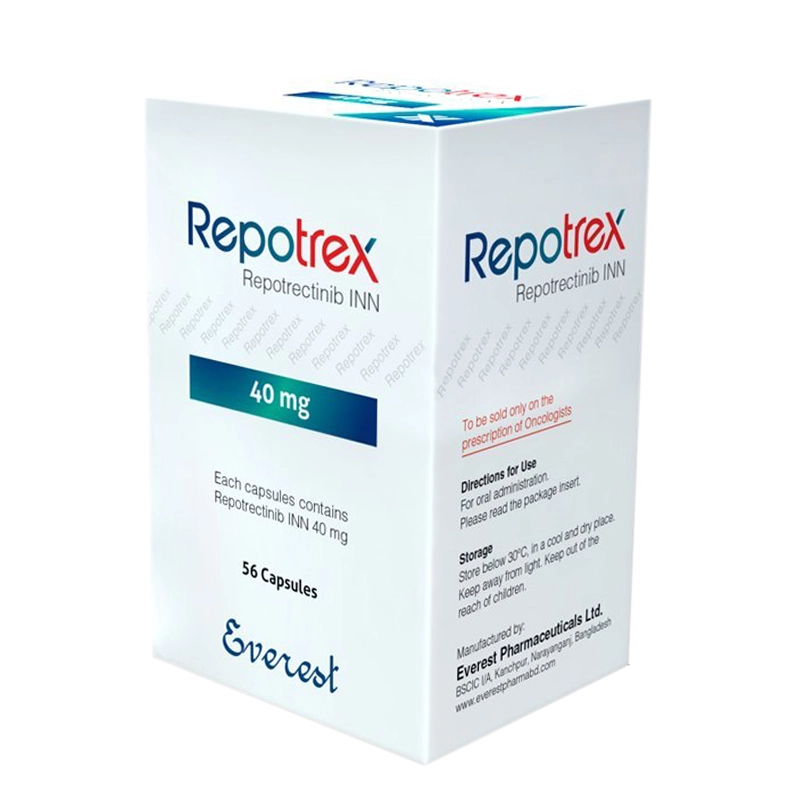
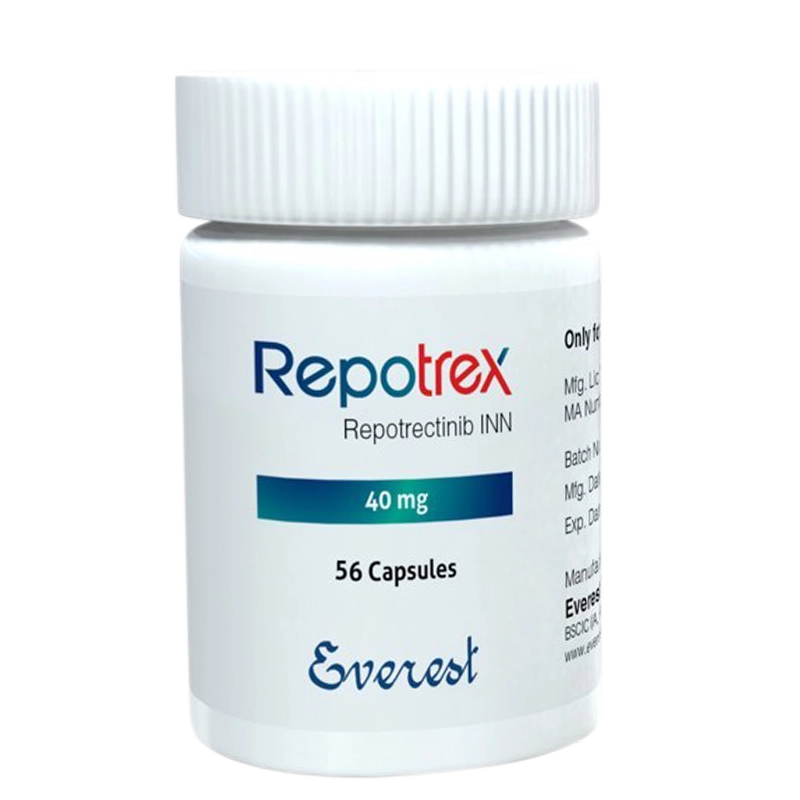
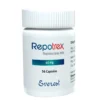
Repotrex 40 mg (Reptorectinib) 56 Capsules | Price & Access Guide
- Used for: Adult patients with ROS-1 Positive &; NTRK gene fusion positive mutated advanced NSCLC.
- Availability: In Stock
- Shipping: Express Global Shipping (7-14 days depending on region).
- Requirement: Valid prescription from a licensed healthcare provider required.
✓ WHO GMP Certified
✓ Reviewed By Medical Expert
✓ Batch Examined in Lab
Need Patient Access Support?
Our team provides verified global sourcing assistance to help you navigate international shipping and prescription requirements safely.
Repotrex 40 mg is a high-purity, targeted generic formulation of Repotrectinib, a next-generation, macrocyclic tyrosine kinase inhibitor (TKI). Originally developed under the innovator brand Augtyro, this medication is precision-engineered for the treatment of adult patients with locally advanced or metastatic ROS1-positive non-small cell lung cancer (NSCLC), as well as adult and pediatric patients (12 years and older) with solid tumors harboring an NTRK gene fusion. Repotrectinib is uniquely designed to cross the blood-brain barrier and overcome acquired resistance mutations—specifically the solvent-front ROS1 G2032R mutation—that frequently render earlier-generation TKIs ineffective. Repotrex 40 mg provides a bioequivalent, highly accessible therapeutic option for patients requiring advanced molecular intervention.
Our Clinical Oncologist’s Commentary
“Historically, managing advanced lung cancers and fusion-driven solid tumors with broad-spectrum cytotoxic chemotherapy yielded limited survival advantages and severe systemic toxicity. The transition to precision oncology, specifically targeting ROS1 and TRK fusions, has radically altered clinical outcomes. However, the Achilles’ heel of first-generation TKIs has always been acquired resistance, particularly in the central nervous system. Repotrectinib represents a critical molecular advancement; its compact, macrocyclic structure allows it to bind effectively even when steric hindrance from mutations like ROS1 G2032R blocks older therapies.
Despite these clinical advancements, the prohibitive cost of innovator targeted therapies often forces treatment abandonment. Quality-assured generics like Repotrex bridge this critical gap. Manufactured under stringent WHO-GMP protocols, bioequivalent options allow oncologists to maintain uninterrupted, effective pathway inhibition. This ensures that patients worldwide can access life-extending therapies without facing devastating financial toxicity.” -Dr. Salma Elreedy
Clinical Uses Guide & Patient Safety Data
Precise Indications & Diagnostic Requirements
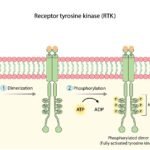
Repotrectinib is strictly indicated for patients with confirmed actionable molecular alterations. It acts by binding to the active kinase domains of ROS1 and TRK (TRKA, TRKB, TRKC) proteins, inhibiting their autophosphorylation and the subsequent downstream signaling pathways (STAT3, AKT, ERK) that drive uninhibited tumor cell proliferation.
Companion Diagnostic Necessities:
- Testing Modalities: Confirmation of ROS1 or NTRK1/2/3 gene fusions must be established via FDA-approved Next-Generation Sequencing (NGS) or Fluorescence In Situ Hybridization (FISH) testing prior to initiation.
Pharmacokinetics (ADME Profile)
- Absorption: Reaches peak plasma concentration (Tmax) in 2 to 3 hours. Administration with a high-fat meal increases absorption but is not strictly required; it can be taken with or without food.
- Distribution: High volume of distribution with extensive tissue penetration, importantly demonstrating robust Central Nervous System (CNS) penetration. Plasma protein binding is approximately 95%.
- Metabolism: Primarily metabolized in the liver by the CYP3A4 isoenzyme.
- Excretion: Excreted primarily in feces (89%) and minimally in urine.
- Half-Life: The terminal elimination half-life is approximately 35 hours.
Dosage & Adverse Event (AE) Management Table
Baseline Dosing Protocol: Because Repotrex is supplied in 40 mg capsules, achieving the standard dose requires specific pill counts.
- Days 1–14: 160 mg (four 40 mg capsules) taken orally once daily.
- Day 15 onwards: Increase to 160 mg (four 40 mg capsules) taken orally twice daily.
| Adverse Event / Toxicity | Clinical Presentation | Dose Modification / Management Protocol |
|---|---|---|
| CNS Effects (Dizziness/Ataxia) | Grade 2 or 3 dizziness, cognitive impairment | Interrupt until ≤ Grade 1. Resume at the same dose or reduce by one dose level (e.g., 120 mg BID) depending on severity and recurrence. |
| Hepatotoxicity | AST/ALT > 3x Upper Limit of Normal (ULN) | Interrupt dosing. Monitor LFTs weekly. Upon recovery to baseline or ≤ Grade 1, resume at a reduced dose. |
| Cytopenias (Anemia) | Hemoglobin < 8.0 g/dL | Interrupt Repotrex until recovery to ≥ 9.0 g/dL. Resume at a reduced dose or manage with transfusions per institutional protocol. |
| Interstitial Lung Disease (ILD) / Pneumonitis | Grade 2 (symptomatic) | Interrupt therapy immediately. Initiate systemic corticosteroids. If ILD is confirmed, permanently discontinue. |
Drug-Drug Interaction Matrix
- Strong and Moderate CYP3A Inhibitors (e.g., Ketoconazole, Itraconazole, Grapefruit juice): Increases repotrectinib exposure, elevating the risk of severe CNS toxicity. Action: Avoid concomitant use. If unavoidable, interrupt Repotrex or drastically reduce the dose per labeling guidelines.
- Strong and Moderate CYP3A Inducers (e.g., Rifampin, St. John’s Wort): Accelerates metabolism, leading to sub-therapeutic plasma levels and potential treatment failure. Action: Co-administration is strictly contraindicated.
- Certain P-gp Substrates: Repotrectinib may alter the exposure of sensitive P-gp substrates. Action: Monitor closely for adverse reactions related to the concomitant medication.
Clinical Efficacy & Real-World Data
Clinical validation is anchored by the global Phase 1/2 TRIDENT-1 trial:
- TKI-Naïve ROS1+ NSCLC: Patients achieved an Objective Response Rate (ORR) of 79%, with a median Duration of Response (mDOR) of 34.1 months.
- TKI-Pretreated ROS1+ NSCLC: In patients previously treated with one ROS1 TKI (and no prior chemo), the ORR was 38%, demonstrating significant efficacy in overcoming acquired resistance.
- Intracranial Efficacy: Repotrectinib demonstrated an impressive intracranial response rate of nearly 89% in TKI-naïve patients presenting with measurable CNS metastases at baseline, effectively addressing a primary cause of mortality in this patient population.
Precautions & Special Populations
- Pregnancy & Fetal Toxicity: Can cause severe embryo-fetal harm. Female patients of reproductive potential must use highly effective non-hormonal contraception during treatment and for at least 2 months following the final dose.
- Lactation: Do not breastfeed during treatment and for 10 days after the last dose.
- Pediatric Use: Approved for NTRK+ solid tumors in pediatric patients aged 12 and older. Safety has not been established for younger demographics.
- Renal & Hepatic Impairment: Mild to moderate impairment requires no initial dose adjustment, but patients should be monitored closely for exaggerated CNS side effects.
- Storage Logistics: Store at 20°C to 25°C (68°F to 77°F); excursions permitted between 15°C and 30°C (59°F and 86°F). No specialized cold-chain transport is required.
World-Wide Patient Access Guide, & Quality Assurance by Manufacturer
Global Access via Named Patient Program (NPP)
For patients residing in regions where Repotrectinib is not yet commercially approved or is financially inaccessible, Repotrex 40 mg can be legally imported through the Named Patient Program (NPP). Required Documentation for Legal Importation:
- Valid Oncologist Prescription: Specifying Repotrectinib and the exact dosing regimen.
- Letter of Medical Necessity: A clinical justification from the treating physician detailing the patient’s ROS1/NTRK status and the clinical requirement for this specific TKI.
- Patient Identification: Copy of a valid passport or national ID.
- Import License / Customs Declaration: Handled by a certified medical distributor according to the destination country’s health authority (e.g., FDA Personal Importation rules or MHRA guidelines).
Everest Pharmaceuticals Manufacturing Insights
Everest Pharmaceuticals utilizes highly regulated manufacturing processes based in Bangladesh. As an established producer of critical oncology generics, Everest maintains strict compliance with WHO-GMP (Good Manufacturing Practices) and holds necessary ISO certifications. Every batch of Repotrex 40 mg undergoes exhaustive high-performance liquid chromatography (HPLC) dissolution testing to guarantee identical pharmacokinetics, safety, and therapeutic equivalence to the innovator brand.
Brand vs. Generic Comparison
| Specification | Augtyro (Innovator) | Repotrex 40 mg (Generic) |
|---|---|---|
| Active Molecule | Repotrectinib | Repotrectinib |
| Manufacturer | Bristol Myers Squibb | Everest Pharmaceuticals Ltd. |
| Dosage Form | 40 mg Oral Capsule | 40 mg Oral Capsule |
| Bioequivalence | Reference Standard | 100% Therapeutically Equivalent |
| Primary Indications | ROS1+ NSCLC, NTRK+ Solid Tumors | ROS1+ NSCLC, NTRK+ Solid Tumors |
Frequently Asked Questions (FAQs)
What exactly is Repotrex 40 mg used for?
Repotrex contains repotrectinib, a targeted cancer medication. It is used to treat adults with non-small cell lung cancer (NSCLC) that has spread and is caused by an abnormal ROS1 gene. It is also prescribed for patients 12 and older with solid tumors driven by an NTRK gene fusion.
How does Repotrectinib target ROS1 and NTRK mutations?
Repotrectinib is a tyrosine kinase inhibitor (TKI). It works by blocking the signals from abnormal ROS1 and TRK proteins that tell cancer cells to multiply and grow. Its unique structure allows it to keep working even when tumors mutate to resist older treatments.
What is the price of Repotrex compared to Augtyro?
Because Repotrex is manufactured by Everest Pharmaceuticals as a generic equivalent, it is available at a significantly lower price point than the innovator brand (Augtyro). Final pricing depends on international shipping, customs, and the logistics of the Named Patient Program. Consult a licensed medical supplier for current pricing.
How many 40 mg capsules do I take for a full daily dose?
The standard starting dose is 160 mg once daily for the first 14 days, which requires taking four 40 mg capsules together. After 14 days, the dose increases to 160 mg twice daily (four capsules in the morning and four in the evening). Always follow your oncologist’s exact instructions.
What are the neurological side effects of Repotrectinib?
The most common side effect is dizziness, affecting over 60% of patients. Other central nervous system effects include changes in taste (dysgeusia), balance issues (ataxia), and memory or cognitive impairment. Patients are advised not to drive or operate heavy machinery until they know how the medication affects them.
How can I legally import Repotrex through the Named Patient Program?
To access Repotrex via the NPP, you need a valid prescription and a Letter of Medical Necessity from your treating oncologist. A verified international pharmacy distributor will use these documents to secure the necessary import permits and clear customs, ensuring the medication is delivered legally to your home or clinic.
Related products

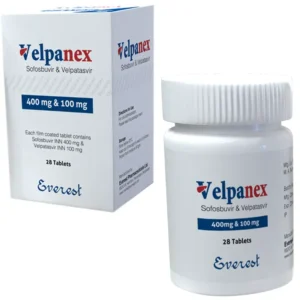
Velpanex (Sofosbuvir + Velpatasvir) 100 mg + 400 mg | HCV Direct Acting Antiviral
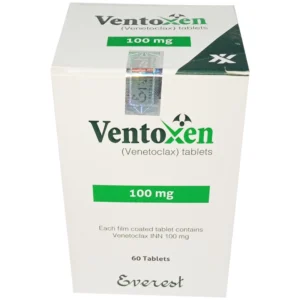
Request PriceVentoxen 100 mg (Venetoclax): Clinical Profile and Venclexta Alternative
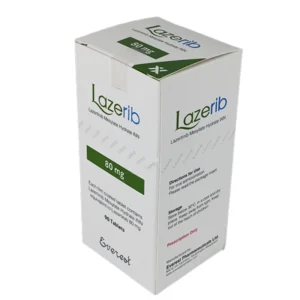
Request PriceLazerib 80 mg (Lazertinib) 90 Tablets: Lazcluze Alternative Price and Global Access Guide
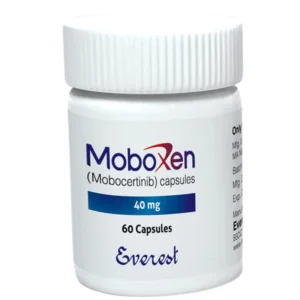
Request PriceMoboxen 40 mg (Mobocertinib) 60 Capsule: Patient Access & Price
Request Price