Prescription required. We facilitate access to medicines already prescribed by your treating physician. We do not provide medical advice or diagnoses.


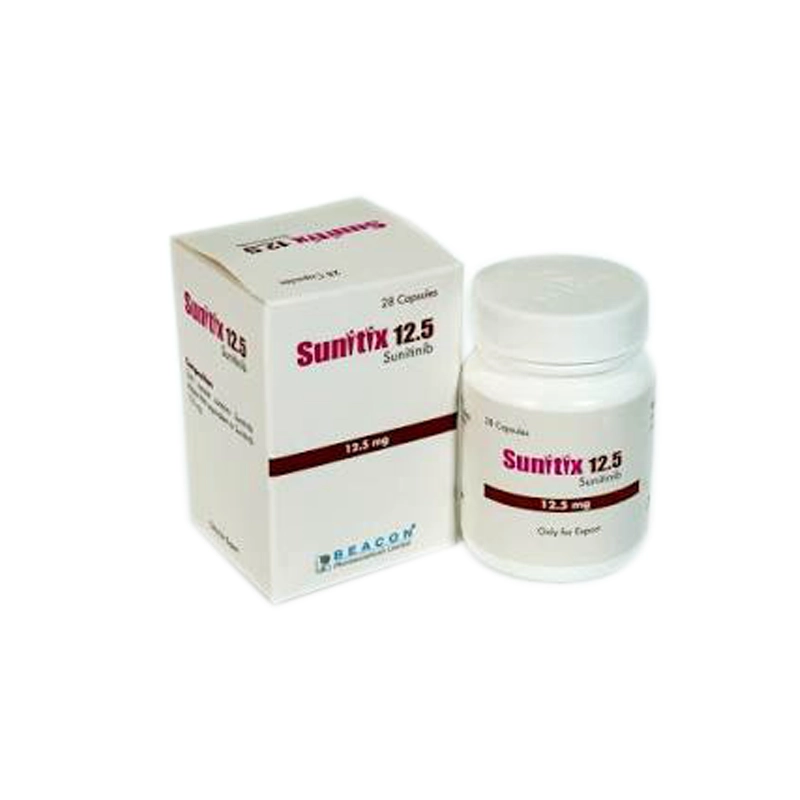
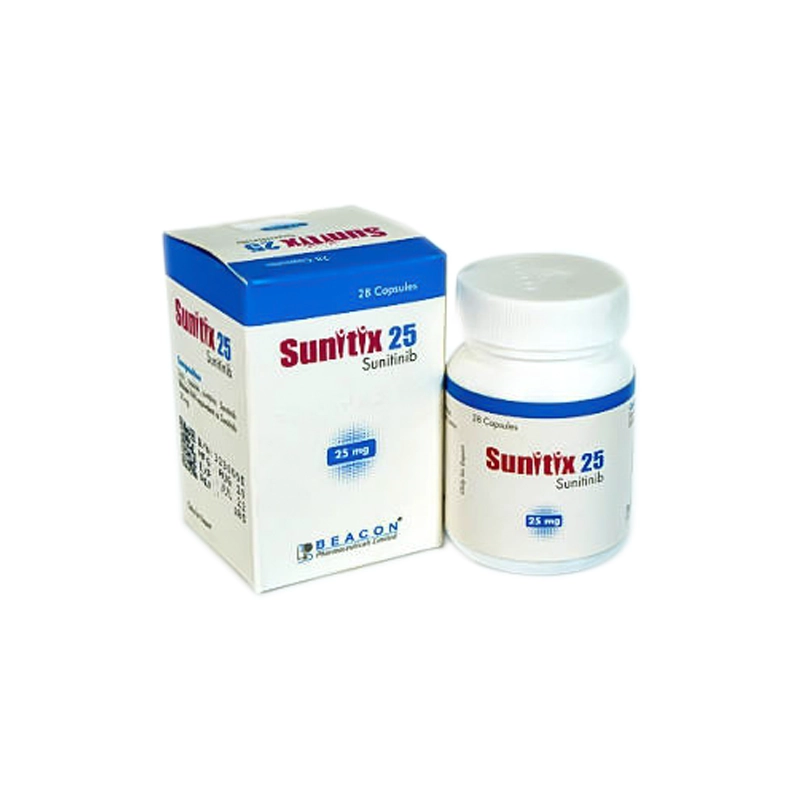
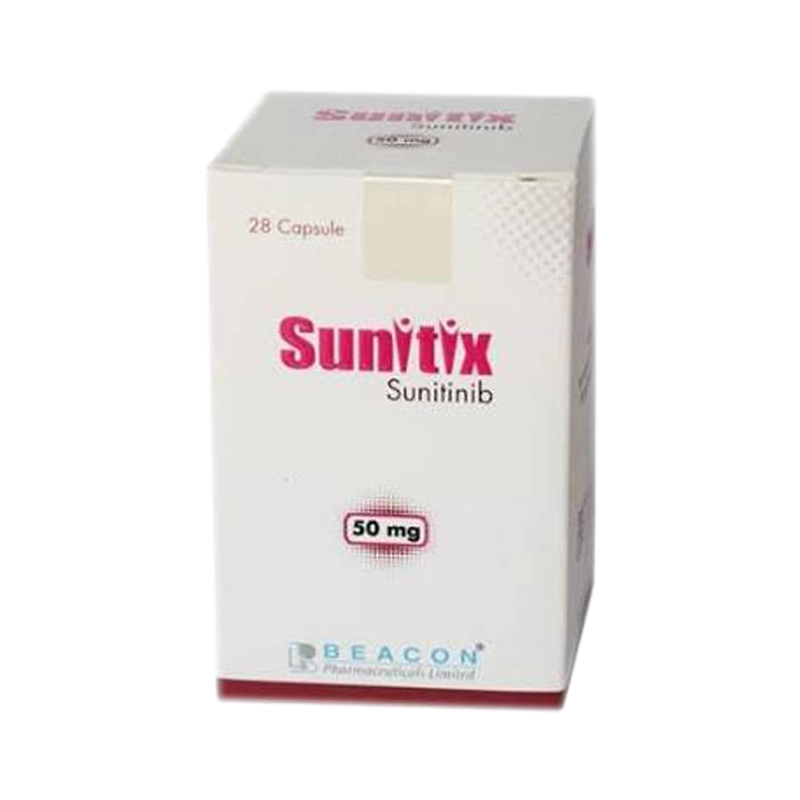
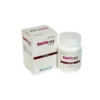
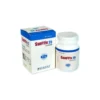
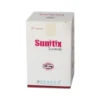
Sunitix (Sunitinib): Sutent Alternative for GIST, Kidney Cancer & pNET
- Used for: Sunitinib inhibits multiple receptor tyrosine kinases simultaneously: VEGFR-1, -2 and -3, PDGFR-alpha and -beta, KIT, FLT3, CSF-1R and RET.
- Availability: In Stock
- Shipping: Express Global Shipping (7-14 days depending on region).
- Requirement: Valid prescription from a licensed healthcare provider required.
✓ WHO GMP Certified
✓ Reviewed By Medical Expert
✓ Batch Examined in Lab
Need Patient Access Support?
Our team provides verified global sourcing assistance to help you navigate international shipping and prescription requirements safely.
Boxed Warning: Hepatotoxicity
Sunitinib can cause severe liver injury, which has been fatal in some cases. Liver function is monitored before treatment, during each cycle, and as clinically indicated. Treatment is interrupted, reduced, or discontinued based on those results.
This warning applies to every use of Sunitix on this page, whichever cancer it is prescribed for. Contact your oncology team without waiting for your next appointment if you notice yellowing of the skin or eyes, dark urine, pain under the right ribs, unusual tiredness, or nausea that will not settle.
Which condition brought you here?
Sunitix is prescribed in four distinct situations, each with its own dose and schedule. Go to the one matching your prescription:
- Gastrointestinal Stromal Tumor (GIST)
- Advanced Kidney Cancer (Renal Cell Carcinoma)
- Kidney Cancer After Surgery (Adjuvant RCC)
- Pancreatic Neuroendocrine Tumor (pNET)
The schedules genuinely differ. If you are unsure which applies, check your prescription or ask your oncologist rather than assuming another patient’s routine matches yours.
Description
Looking for a sunitinib generic, or researching a Sutent alternative? Sunitix is an oral capsule containing sunitinib, the same active molecule sold under the brand name Sutent. Beacon Pharmaceuticals manufactures it in Bangladesh, in 12.5mg, 25mg and 50mg strengths.
Sunitinib is a multi-targeted kinase inhibitor. Rather than blocking a single target the way many newer cancer drugs do, it blocks several at once, including VEGFR (which tumors use to build new blood vessels), PDGFR and KIT. That breadth explains why one capsule treats three biologically unrelated cancers. Gastrointestinal stromal tumors, kidney cancer and pancreatic neuroendocrine tumors each depend on one or more of these same signaling pathways, even though the tumors themselves have little else in common.
Because Sunitix serves several distinct patient populations, this page is organized by condition. Read the section matching your diagnosis and treat the rest as background rather than as instructions for you.
Clinical Expert Insight
“Sunitinib is one of the few drugs I prescribe for three completely different cancers, and I have learned not to assume patients know their schedule belongs only to their diagnosis. Someone with kidney cancer takes it on and off in six-week cycles. Someone with a pancreatic neuroendocrine tumor takes a lower dose every day without a break. I have had patients compare notes in the waiting room and worry they were doing something wrong when both were doing exactly right for their own situation.
The liver warning is what I take most seriously, and it is the one patients underestimate because they feel well. That is why we test during every cycle rather than waiting for symptoms. I also tell every new patient two things they rarely expect. Their blood pressure will probably rise, which is manageable if we catch it early. And their hair may lose its color in bands matching the on and off weeks, while their skin may take on a yellow tint from the drug itself. Both are harmless and both reverse. Patients who have not been warned sometimes stop a working treatment over it.”
— Dr. Salma Mamdouh Elreedy, Clinical Oncologist, Sphinx Cure Oncology Center
Mechanism of Action & Pharmacokinetics
Sunitinib inhibits multiple receptor tyrosine kinases simultaneously: VEGFR-1, -2 and -3, PDGFR-alpha and -beta, KIT, FLT3, CSF-1R and RET. Blocking VEGFR and PDGFR starves tumors of the new blood supply they need, which matters particularly in kidney cancer. Blocking KIT directly targets the mutation driving most gastrointestinal stromal tumors, which is why sunitinib works after imatinib, a drug hitting the same receptor, stops working.
- Absorption: taken orally, with or without food. Food does not meaningfully affect bioavailability. Peak plasma concentration occurs 6 to 12 hours after a dose.
- Protein binding: approximately 95%.
- Metabolism: metabolized primarily by CYP3A4 into an active metabolite (SU12662) with similar potency to the parent drug, which CYP3A4 then further breaks down.
- Half-life: approximately 40 to 60 hours for sunitinib and 80 to 110 hours for its active metabolite. Steady state is reached after roughly 10 to 14 days.
- Elimination: approximately 61% in feces and 16% in urine.
- Hepatic impairment: no starting-dose adjustment for mild or moderate (Child-Pugh A or B) impairment. Safety has not been established in patients whose ALT or AST is more than 2.5 times the upper limit of normal, or more than 5 times with liver metastases.
- Renal impairment: no starting-dose adjustment, including for end-stage renal disease on hemodialysis. Because exposure is substantially lower in dialysis patients, subsequent doses may be increased gradually, up to twofold, based on tolerability.
Dosing by Condition
Gastrointestinal Stromal Tumor (GIST)
For patients whose GIST progressed on imatinib, or who could not tolerate it.
- Dose: 50mg once daily, with or without food.
- Schedule: 4 weeks on treatment, then 2 weeks off, repeating in 6-week cycles.
- Duration: until disease progression or unacceptable toxicity.
- Dose reductions: first reduction to 37.5mg daily; second reduction to 25mg daily.
- About the two-week break: it is part of the regimen, not an optional rest.
Advanced Kidney Cancer (Renal Cell Carcinoma)
For patients with advanced RCC.
- Dose: 50mg once daily.
- Schedule: the same 4 weeks on, 2 weeks off pattern.
- Duration: until progression or unacceptable toxicity.
- Dose reductions: first to 37.5mg daily; second to 25mg daily.
Kidney Cancer After Surgery (Adjuvant RCC)
For patients at high risk of recurrence following nephrectomy.
- Dose: 50mg once daily.
- Schedule: the same 4 weeks on, 2 weeks off pattern.
- Duration: a fixed course of nine 6-week cycles, then treatment ends. This is the only use with an endpoint defined in advance.
- Dose reductions: one reduction step only, to 37.5mg daily. There is no second reduction in this setting.
Pancreatic Neuroendocrine Tumor (pNET)
For patients with progressive, well-differentiated pNET that is unresectable or metastatic.
- Dose: 37.5mg once daily.
- Schedule: continuous, with no scheduled break.
- Duration: until progression or unacceptable toxicity.
- Dose reductions: one reduction step only, to 25mg daily.
- How to make up 37.5mg with Sunitix: Beacon manufactures 12.5mg, 25mg and 50mg capsules. There is no 37.5mg Sunitix capsule, so this dose is taken as one 25mg plus one 12.5mg capsule. (The originator brand does make a 37.5mg capsule, which is why prescriptions written against it may not translate directly.) Confirm the combination with your oncologist or pharmacist, and account for both strengths when arranging supply.
- Why continuous rather than cyclical: this reflects how pNET responds to steady exposure. Do not switch to an on-off schedule because another patient follows one.
Missed dose. Take the next dose at its normal time. Do not double up, and mention it at your next appointment.
Monitoring: What Gets Checked, and When
Before the first dose:
- Liver function tests (ALT, AST, bilirubin)
- Complete blood count
- Blood pressure
- Urinalysis, as a baseline for protein
- Blood glucose
- Thyroid function
- Oral and dental examination
- ECG plus magnesium and potassium, for patients at higher risk of QT prolongation
- LVEF (heart pumping function), considered at baseline
During treatment:
- Liver function during every cycle
- Blood pressure at baseline and as clinically indicated
- Complete blood counts, serially
- Urinalysis periodically, with a 24-hour protein measurement if indicated
- Blood glucose regularly, and again after treatment ends
- Thyroid function periodically, watching for both underactive and overactive thyroid
- Periodic ECG and electrolytes for higher-risk patients, and more frequently if a strong CYP3A4 inhibitor or QT-prolonging drug is added
- LVEF periodically as clinically indicated
- Periodic oral examination
Around surgery and dental work. Treatment is withheld for at least 3 weeks before elective surgery and before scheduled dental surgery or invasive dental procedures. After major surgery, it is not restarted for at least 2 weeks and until the wound has healed adequately. Tell both your oncologist and your surgeon or dentist well in advance.
Contact your oncology team without waiting for your next appointment if you notice: yellowing of the skin or eyes, dark urine, severe or persistent abdominal pain, unusual bleeding, coughing up blood, chest pain, breathlessness or ankle swelling, severe headache with vision changes or confusion, a severe blistering rash, jaw pain or loose teeth, foamy urine or swelling, or shakiness, sweating and confusion suggesting low blood sugar.
Adverse Event Management
| Toxicity | Frequency | Severity | Action |
|---|---|---|---|
| Hepatotoxicity | Liver failure in under 1% | Grade 3 | Withhold until Grade 0–1 or baseline; resume reduced. Discontinue if it recurs |
| Grade 4 | Discontinue permanently | ||
| Hypertension | 29% overall; Grade 3 in 7%, Grade 4 in 0.2% | Grade 3 | Withhold until Grade 0–1; resume reduced |
| Grade 4 | Discontinue permanently | ||
| Cardiovascular events | Heart failure in 3%; fatal cardiac failure under 1% | Asymptomatic LVEF decline | Withhold and/or reduce dose |
| Clinical heart failure | Discontinue permanently | ||
| Hemorrhagic events | 30% overall; Grade 3–4 in 4.2% | Grade 3–4 | Withhold until Grade 0–1; resume reduced or discontinue by severity |
| Thrombotic microangiopathy | Rare | Any grade | Discontinue permanently |
| Proteinuria | Reported, including nephrotic syndrome | 3g or more per 24 hours | Withhold; resume at reduced dose |
| Nephrotic syndrome or recurrence despite reduction | Discontinue permanently | ||
| Severe skin reactions (EM, SJS, TEN, necrotizing fasciitis) | Rare, sometimes fatal | Any grade | Discontinue permanently |
| RPLS | Under 1%, sometimes fatal | Any grade | Discontinue permanently |
| Tumor lysis syndrome | Reported, mainly in RCC and GIST with high tumor burden | Any | Monitor and manage; highest risk early in treatment |
| Osteonecrosis of the jaw | Reported | Any grade | Withhold until resolved; resumption safety not established |
| Impaired wound healing | Reported | Any grade | Withhold 3 weeks before elective surgery; resume no sooner than 2 weeks after major surgery |
| Thyroid dysfunction | Hypothyroidism 16% in advanced RCC, 24% in adjuvant RCC | Symptomatic or abnormal TSH | Continue treatment; start or adjust thyroid therapy. Hyperthyroidism can precede hypothyroidism |
| Hypoglycemia | 2% overall, but around 10% in pNET patients | Symptomatic | Check glucose regularly; review antidiabetic doses |
| Thrombocytopenia / neutropenia | Common laboratory findings | Grade 3–4 | Withhold until recovery; resume reduced |
Table-01: Adverse Event Management
Most common reactions overall (25% or more): fatigue or weakness, diarrhea, mouth soreness, nausea, reduced appetite, vomiting, abdominal pain, hand-foot syndrome, high blood pressure, bleeding events, altered taste, indigestion and low platelets.
Expected effects that are not dangerous, but often alarm patients who were not warned:
- Skin and hair depigmentation. Sunitinib is a yellow compound and can tint the skin, reported in around 25% of advanced RCC patients. Hair color changes affect roughly 20%, often in bands matching the on and off weeks, producing a striped appearance along each strand. Both reverse after treatment ends.
- Altered taste affects nearly half of RCC patients, and dry or cracking skin and mouth soreness are common. Manageable with supportive care, and not by themselves reasons to stop.
Clinical Efficacy by Indication
- GIST after imatinib failure. In a randomized, double-blind, placebo-controlled Phase III trial of 312 patients, median time to tumor progression was 27.3 weeks with sunitinib against 6.4 weeks with placebo (hazard ratio 0.33). The trial was unblinded early at interim analysis. (Demetri GD et al., The Lancet, 2006. DOI: 10.1016/S0140-6736(06)69446-4)
- Advanced RCC, first line. In a Phase III trial of 750 previously untreated patients, median progression-free survival was 11 months with sunitinib against 5 months with interferon-alfa (hazard ratio 0.42), with objective response rates of 31% against 6%. (Motzer RJ et al., New England Journal of Medicine, 2007. DOI: 10.1056/NEJMoa065044) Updated analysis reported median overall survival of 26.4 months against 21.8 months, with response rates of 47% against 12%.
- Adjuvant RCC after nephrectomy (S-TRAC). In a randomized, double-blind, placebo-controlled Phase III trial of 615 patients at high risk of recurrence, median disease-free survival by independent central review was 6.8 years with sunitinib against 5.6 years with placebo (hazard ratio 0.76). Note for context: the trial did not demonstrate an overall survival benefit, and Grade 3 or 4 adverse events were considerably more frequent on treatment. (Ravaud A et al., New England Journal of Medicine, 2016. DOI: 10.1056/NEJMoa1611406)
- pNET. In a randomized, double-blind, placebo-controlled Phase III trial of 171 patients, median progression-free survival was 11.4 months with sunitinib at 37.5mg daily against 5.5 months with placebo (hazard ratio 0.42). Objective response rate was 9.3% against 0%. The trial stopped early after more serious adverse events and deaths were seen in the placebo group. (Raymond E et al., New England Journal of Medicine, 2011. DOI: 10.1056/NEJMoa1003825)
Drug Interaction Matrix
| Interacting agent | Effect | Guidance |
|---|---|---|
| Strong CYP3A4 inhibitors (ketoconazole, clarithromycin, ritonavir) | Raises sunitinib exposure | Choose an alternative where possible. If unavoidable, dose is reduced to a minimum of 37.5mg daily (GIST and advanced RCC) or 25mg daily (pNET) |
| Strong CYP3A4 inducers (rifampin, carbamazepine, phenytoin, St John’s Wort) | Lowers exposure and may reduce efficacy | Choose an alternative where possible. If unavoidable, dose may be increased to a maximum of 87.5mg daily (GIST and RCC) or 62.5mg daily (pNET), with close monitoring |
| Grapefruit and grapefruit juice | Alters CYP3A4 activity unpredictably | Avoid throughout treatment |
| QT-prolonging drugs and antiarrhythmics | Additive cardiac risk | More frequent ECG monitoring; dose reduction considered |
| Anticoagulants | Additive bleeding risk | Closer monitoring where both are needed |
Table-02: Drug Interaction Considerations
Give your oncologist a complete list of everything you take, including herbal products and anything bought without a prescription. St John’s Wort is frequently left off medication lists because patients do not think of it as a drug.
Precautions & Special Populations
- Pregnancy. Sunitinib can cause fetal harm based on animal studies and its mechanism of action. Patients of reproductive potential should use effective contraception during treatment and for 4 weeks after the final dose.
- Lactation. Current labeling advises not to breastfeed.
- Cardiac history. Patients with a cardiac event in the preceding 12 months, or prior anthracycline or cardiac radiation exposure, were excluded from the trials, so their risk is not established. LVEF assessment at baseline and periodically is advised.
- Planned surgery or dental work. See the monitoring section above for the 3-week and 2-week intervals.
- Diabetes. Blood glucose can fall during treatment, and did so in around 10% of pNET patients. Antidiabetic doses may need review.
- Contraindications. The label lists none.
- Storage. Room temperature, 20–25°C. No cold-chain requirement.
Certified Quality & International Distribution
Beacon Pharmaceuticals: Manufacturing Background
Sunitix is manufactured by Beacon Pharmaceuticals, the largest oncology-focused pharmaceutical company in Bangladesh, established in 2006. Its facility was engineered to standards recognized by WHO-GMP, the US FDA, the UK MHRA and Australia’s TGA. Beacon was the first Bangladeshi company to export cancer medicines, and introduced the world’s first generic osimertinib.
An important distinction. Facility certification and product approval are not the same thing. A manufacturing site inspected or recognized by a regulator does not mean that regulator approved this specific product. Sunitix has not been approved by the FDA or EMA as a product. The certifications above describe the standard the facility is built and operated to, which is a genuine quality signal but a different one. We state this plainly rather than letting the two be read as equivalent.
Sunitix (Beacon) and Sutent (Originator) Compared
| Metric | Sunitix (Beacon) | Sutent (Originator) |
|---|---|---|
| Active substance | Sunitinib | Sunitinib |
| Product regulatory status | Not an FDA-approved or EMA-approved product | FDA-approved and EMA-approved originator |
| Manufacturing standard | Facility recognized to WHO-GMP, US FDA, UK MHRA and TGA standards | GMP certified, multiple global sites |
| Available strengths | 12.5mg, 25mg, 50mg capsules, pack of 28 | 12.5mg, 25mg, 37.5mg, 50mg capsules |
Table-03: Product Comparison
Global Access: Named Patient Program (NPP)
- Prescription. A valid prescription and treatment summary from the treating oncologist, specifying indication and strength.
- Documentation. A Letter of Medical Necessity and patient identification.
- Import permit. Our team handles the personal-use import permit application with the relevant local drug authority.
- Logistics. Standard shipping; no cold-chain requirement.
Frequently Asked Questions (FAQs)
Is there a generic or alternative to Sutent?
Sunitinib is the active ingredient in Sutent, and Sunitix contains that same molecule, manufactured by Beacon Pharmaceuticals. Sunitix has not been approved as a product by the FDA or EMA. Whether it suits your situation depends on your regulatory environment and your oncologist’s assessment. That decision belongs with your treating physician, not with this page.
Why does my dosing schedule look different from another patient’s on the same drug?
Sunitix treats four different situations, each with its own dose and schedule. One patient may take it on and off in six-week cycles while another takes a lower dose daily without a break. Both can be correct at once. Check the section matching your own diagnosis.
I’ve been prescribed 37.5mg but there’s no 37.5mg Sunitix capsule. What do I take?
That dose is made from two capsules: one 25mg plus one 12.5mg. The originator brand does make a single 37.5mg capsule, which is why a prescription written against it may not translate directly. Confirm with your oncologist or pharmacist, and remember you will need both strengths when arranging supply.
Why do I need liver tests during every cycle when I feel fine?
Sunitinib carries a boxed warning for liver injury, which can develop without early symptoms. Testing each cycle rather than waiting for symptoms is how serious problems are caught while still manageable.
Why does my blood pressure need checking so often?
Around 29% of patients develop high blood pressure on this drug. Catching it early usually means it can be controlled with standard medication rather than becoming a reason to interrupt cancer treatment.
My hair is losing its color and my skin looks yellow. Is something wrong?
Almost certainly not. Sunitinib is a yellow compound and can tint the skin, reported in roughly a quarter of patients. Hair color changes affect about one in five, sometimes in bands matching the on and off weeks. Both reverse after treatment ends. Mention it at your next appointment, but it is expected rather than a warning sign.
I have surgery or dental work scheduled. Do I need to tell anyone?
Yes, and the timing matters. Sunitinib impairs wound healing, so treatment is withheld for at least 3 weeks before elective surgery or invasive dental procedures, and not restarted for at least 2 weeks after major surgery. Tell your oncologist and your surgeon or dentist well in advance rather than close to the date.
What are the most common sunitinib side effects?
Fatigue, diarrhea, mouth soreness, nausea, reduced appetite, vomiting, abdominal pain, hand-foot syndrome, high blood pressure, bleeding events, altered taste, indigestion and low platelets are the most frequently reported. The serious risks requiring monitoring are covered in the sections above.
What does Sunitix cost?
Pricing varies by strength, quantity and region. Send us your location on WhatsApp for a specific figure.
Is Sunitix the same as Sutent?
Same active ingredient and same mechanism. The differences are the manufacturer, the available strengths, and the regulatory registration each product holds.
Can I have grapefruit while taking this?
No. Grapefruit affects the same liver enzyme that processes sunitinib and can unpredictably change how much active drug is in your system.